South Africa: LMHS Transforms GBV Advocacy Through Disability-Inclusive Dialogue

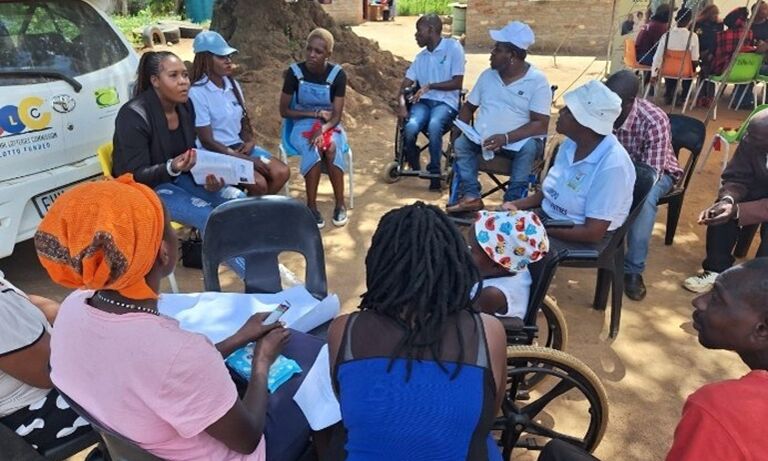
In the heart of Limpopo Province, South Africa, a quiet revolution is unfolding. The Limpopo Mental Health Society (LMHS), a provincial non-profit rooted in the Greater Tzaneen Local Municipality, has long championed mental health and disability rights. But in 2021, amidst the turbulence of the COVID-19 pandemic, LMHS recognised a critical gap in its gender-based violence (GBV) advocacy: the exclusion of girls with psychosocial and intellectual disabilities from meaningful dialogue.
Under the visionary leadership of Provincial Director Ms Molaudzi Priscilla, LMHS began to reimagine its approach. The pandemic had exposed how traditional large-group sessions once seen as inclusive were inadvertently silencing those with communication and cognitive barriers.
Girls with intellectual disabilities were present, but their voices were missing. Their silence was not due to lack of experience, but to inaccessible facilitation and misunderstood behaviour.
LMHS responded not with minor adjustments, but with a transformative shift in strategy and culture. The organisation committed to creating safe, inclusive spaces where every participant, regardless of ability, could be seen, heard, and valued.
This meant:
- Replacing large sessions with small-group formats that foster calm and clarity.
- Training facilitators to engage meaningfully with girls with intellectual disabilities.
- Localising GBV messaging through bilingual videos and visual tools.
- Embedding empathy and inclusion into governance, training, and campaign design.
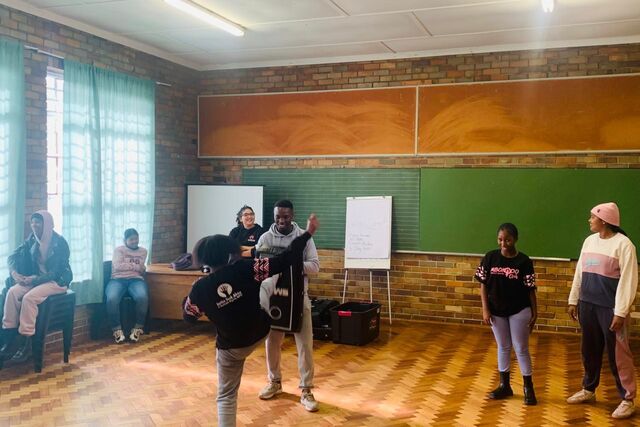
The impact was immediate and profound. Girls who had once sat silently began to speak, they asked questions, shared stories, and expressed their rights.
Social workers and facilitators reported reduced confusion and increased engagement. Attendance rose as girls who had previously felt overwhelmed now found comfort and connection.
Quotes
Quote1:
Name and Surname or Pseudonym: Mahlaule Nhlanhla
My caregiver thought that I do not have rights, but now they realise that I also want to be protected and kept safe.
Quote 2:
Name and Surname or Pseudonym: Phuthego Mathibela
I used to feel like my voice didn’t matter. Now I know I have the right to speak, to be safe, and to help others. I want to study social work to support girls like me.
Quote 3:
Name and Surname or Pseudonym: Mr Lelope
I used to think disability was a family issue. But after attending the dialogue, I now speak about inclusion and protection at community meetings. It has changed my mindset.
This change was not just informal. Facilitators observed behavioural shifts, increased participation, and a tangible sense of empowerment among the girls.
LMHS had not only improved its programming—it had redefined what inclusion truly means.
Looking ahead, LMHS is committed to deepening and expanding this work. Key next steps include:
- Expansion to Additional Municipalities: Rolling out the programme across Limpopo, especially in rural and under-resourced areas.
- Community-Based Volunteer Programme: Training local women, youth, and persons with disabilities to lead sessions and offer peer support.
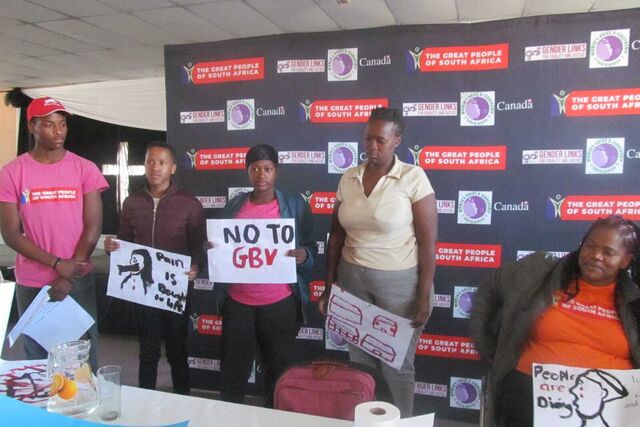
- Utilising the GBV Education Video: Integrating a disability-inclusive awareness video into schools, centres, and community events.
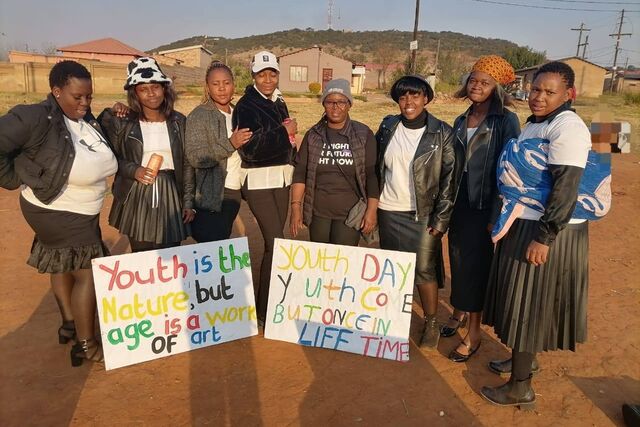
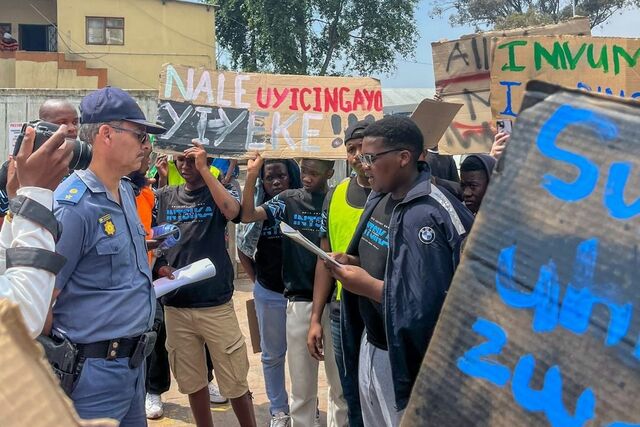
- Maintaining Community Mobilisation Activities: Continuing visibility marches to build public interest and pride.
- Monitoring and Evaluation: Using feedback tools to refine sessions and ensure girls feel safe and empowered.
- Resource Mobilisation: Seeking sustainable funding from the National Lottery Commission, Gender Links Network, GBVF Response Fund, and other partners.
MHS’s journey is a testament to what happens when organisations listen deeply, act boldly, and centre the most marginalised. In transforming its GBV advocacy, LMHS has not only changed lives—it has set a new standard for disability-inclusive programming in South Africa.
By: Sabrinah Ramano
Comments
Related Stories Of Change