Kenya: Dr. Afrikanah Book Club

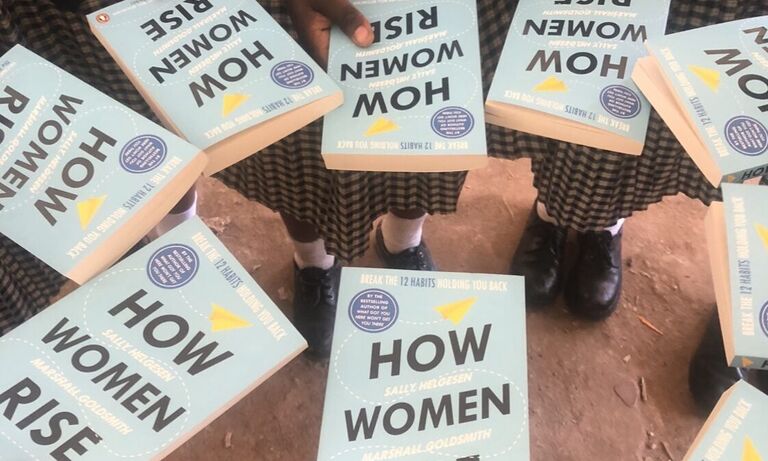
Dr. Afrikanah Book Club creates safe, feminist learning spaces for girls and young women in Kenya to engage in leadership, mental health, menstrual health, and SRHR through storytelling, literature, mentorship, and participatory dialogue.
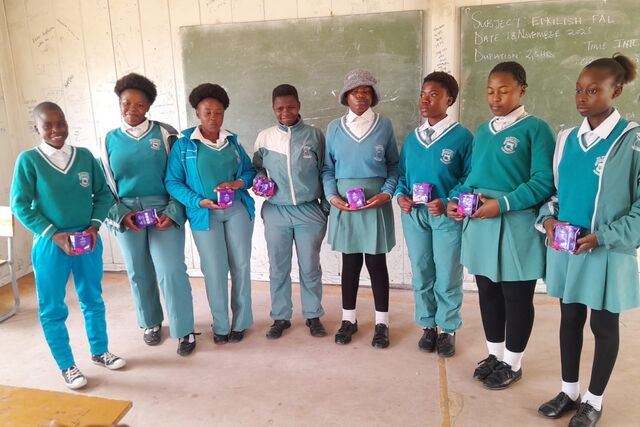
The Dr. Afrikanah Book Club emerged to address the lack of safe learning spaces for girls and young women to critically engage with leadership, mental health, menstrual health and wider sexual and reproductive health rights (SRHR) in Kenya. Implemented as a youth-led feminist initiative, the project used storytelling and dialogue to foster confidence, agency and critical thinking among participants. Phase One took place at Kenyatta Girls Secondary School, where institutional resistance to feminist discourse made it difficult for girls to openly discuss issues that affected their daily lives. Phase Two shifted to universities and community spaces, where young women experienced fewer restrictions and could speak more openly about mental health, menstrual health disorders, intimate partner violence, contraception and leadership.
The project centred on book club sessions using women-authored literature, participatory workshops, mentorship and facilitated discussions. These approaches shifted participants from silence and passive engagement to open, confident participation. Young women began articulating their needs, perspectives and aspirations, identifying priority issues such as SRHR, mental health strains, menstrual health challenges and gender-based violence among university students. Through deliberate participatory design, girls and young women were positioned not as beneficiaries but as leaders, shaping the conversations and identifying the next steps.
Before the project, many girls lacked safe spaces to explore their identities, ambitions and experiences. Conversations around feminism, SRHR and mental health were often discouraged in school settings. After the project, students reported increased confidence, better understanding of leadership, and more openness in discussing once-stigmatised topics. The project established a foundation for long-term feminist consciousness-raising by creating networks of young women eager to continue learning and mentoring others.
The significance of the change lies in its contribution to youth-led feminist movement-building. In contexts where discussing SRHR or feminist ideas is often contested, the project demonstrated that culturally grounded, participatory approaches can open pathways for dialogue, leadership and agency. It highlighted the importance of early feminist education and community-rooted organising.
The initiative will be sustained through the formalisation of Dr. Afrikanah Book Club, registration as a youth-led organisation, and clear systems for governance and volunteer engagement. Plans include expanding to more schools and community spaces, strengthening partnerships with women authors and practitioners, and equipping participants to become facilitators themselves. Digital documentation through social media and an upcoming website will help amplify young women’s voices and learning outcomes. The project will also engage regional feminist platforms, including WOSSO and Gender Links, supporting wider visibility and collaboration.
Quotes:
Ruguru: As I came to this gathering today, I did not think I am a leader. However, I leave confident that I am a good leader.
Ruth: I have learnt that I should not be discouraged about my abilities
Wendy: Seeing young girls taking leadership roles to inspire others has always been a dream for me. Seeing this initiative has inspired me that it is possible.
Comments
Related Stories Of Change