Zimbabwe: Chief’s wife joins the fight against GBV

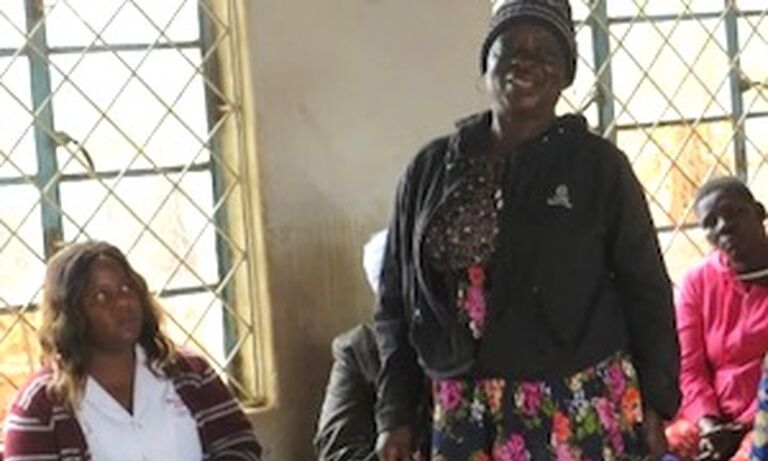
This case study highlights the significant role that the wives of traditional leaders, particularly Mai Chikosha, play in addressing Gender-Based Violence (GBV) in rural Zimbabwe, specifically in Ward 16 of Bindura Rural. ROOTS Africa, a Voice and Choice Southern Africa Fund (VCSAF) grantee, focuses on improving gender equality and reducing GBV through community engagement and advocacy. The involvement of Mai Chikosha, who uses her influence to shift community norms and attitudes toward GBV, in the country’s Mashonaland Central Province, is highlighted. She actively participates in community dialogues, advocating for education and support for women and girls, and works to mobilise other chiefs’ wives to form a collective network against GBV.
Despite facing challenges such as cultural resistance and resource limitations, her efforts demonstrate the effectiveness of grassroots leadership in fostering a supportive environment for discussing GBV and empowering women within the community. The document concludes by emphasising the need for continued support for women’s advocacy and leadership roles in combating GBV. In rural areas, traditional leaders, including chiefs and their wives, significantly influence community norms and practices. Chiefs, with their executive, judiciary, and legislative powers, are key figures in their communities. They are essential in mobilising community support for education and awareness initiatives. Traditionally seen in supportive roles, chiefs’ wives increasingly advocate for social issues, including GBV. Mai Chikosha, wife of Chief Chikosha of Musiiwa in Ward 16 Bindura Rural, has leveraged her position to address GBV within her community. This ward, bordering Shamva and Bindura districts, is strategic and faces challenges like child marriage and child sexual exploitation. Mai Chikosha has actively supported ROOTS Africa’s initiatives, recognising the intersection between traditional leadership and community well-being.
Her advocacy journey began with her own experiences and observations of the challenges faced by women and girls in her community. Her influence grew when she represented the Chief during a community dialogue, famously stating, “Hatidi zve chiman man,” (we do not want sexist language and behaviours), advocating for an equal society where women have a voice. Community Dialogues Mai Chikosha’s most significant contribution has been her role in community dialogues, platforms for discussing GBV, its impacts, and preventive measures. By fostering open conversations, she encourages community members to share their experiences and challenges related to GBV.
This approach raises awareness and demystifies the issues, making them more relatable. During these dialogues, she emphasises the importance of education for girls, the dangers of early marriage, and the need for supportive frameworks for pregnant teenagers. Her ability to connect these issues to cultural values has effectively shifted community perspectives. Engaging Other Wives of Headsmen Mai Chikosha’s influence extends beyond her immediate community. She actively participates with the wives of other headsmen to share knowledge and strategies, forming a network of women in leadership roles. This collective voice champions gender equality and GBV prevention.
During meetings with ROOTS staff, she emphasised the need for more support for the wives of community leaders. These women discuss emerging issues and become better equipped to support their communities and influence decisions from an informed perspective. Knowledge Sharing and Empowerment Through her interactions with other chiefs’ wives, Mai Chikosha has facilitated the exchange of information and resources, enhancing their capacity to address GBV. This network fosters solidarity among women leaders and amplifies their voices in discussions with male leaders and community stakeholders. She is cultivating a culture of support and collaboration by empowering other women to act.
Impact on Community Norms The dialogues and initiatives led by Mai Chikosha and other female leaders have begun to shift community norms regarding GBV and gender equality. These women leaders challenge traditional beliefs that perpetuate violence and discrimination, fostering a new narrative that values the rights and well-being of women and girls. Their united efforts have seen active participation from female leaders across political and community structures, contributing to non-political program activities. Challenges Despite progress, challenges remain. Cultural resistance to change is a significant barrier, as some community members are deeply rooted in traditional practices. Limited resources and access to education also hinder efforts to combat GBV effectively. Resistance from Traditional Structures Some traditional leaders may feel threatened by women’s empowerment, viewing it as challenging their authority. This resistance can complicate advocacy efforts and limit the impact of GBV initiatives.
To counter this, Mai Chikosha emphasises the importance of collaboration between traditional and modern governance systems, advocating for a balanced approach that respects cultural values while promoting human rights. Resource Limitations ROOTS Africa needs more financial and human resources to scale its programs. As the organisation seeks to expand its reach, it must navigate the challenges of securing funding and support while maintaining the integrity of its mission. Change at the community level or national level The critical change at the community level is the shift in community norms regarding GBV and gender equality. Traditional leaders, particularly chiefs’ wives, have become influential advocates fostering open dialogues about GBV, raising awareness and encouraging discussions on early marriage and the importance of education for girls. This grassroots engagement is instrumental in mobilising community support and driving cultural shifts towards more equitable practices.
At the national policy level, there is a link between these community changes and ongoing initiatives like the Not in My Village campaign, aiding the development of provincial laws addressing child marriages. By bringing together chiefs from the province, these efforts create a supportive framework that reinforces the advocacy work of female leaders such as Mai Chikosha. Their efforts in addressing GBV can influence higher-level policy changes, leading to more comprehensive laws and protective measures for vulnerable populations. Grantee/VCSAF contribution The VCSAF has significantly contributed to addressing GBV and promoting gender equality by supporting community initiatives, particularly in advocacy efforts led by traditional leaders like Mai Chikosha. By empowering these leaders, VCSAF has enhanced the capacity of women to engage in dialogues about GBV and to foster community awareness and education around the issues faced by women and girls. One of the specific contributions of VCSAF has been its involvement in campaigns like “Not in My Village,” which has played a pivotal role in developing provincial laws addressing child marriages.
This initiative has gathered chiefs from across the province to collaborate on important issues affecting their communities, encouraging a collective approach to advocacy and change. VCSAF’s partnership with traditional leaders ensures that their considerable influence is leveraged for positive transformation within the community, emphasising a grassroots approach to combating GBV and enhancing women’s rights. Furthermore, VCSAF has facilitated knowledge sharing and networking among the wives of traditional leaders, enabling them to exchange resources and strategies for tackling GBV. This empowerment network has strengthened their collective voice in advocating for gender equality and providing a supportive framework for women facing challenges within their communities.
The impact of these collaborative efforts is evident in the evolving community norms that are becoming more receptive to discussions on women’s rights and the importance of education and empowerment for girls. Conclusion Mai Chikosha and ROOTS Africa underscore the pivotal role that traditional leaders and their wives play in addressing GBV in rural communities. By leveraging their influential positions, these women drive meaningful conversations and foster a culture of support and empowerment. Their collaborative efforts highlight the potential for grassroots initiatives to create sustainable change in the fight against GBV. In Mashonaland Central, supporting and empowering chiefs’ wives in their advocacy work is crucial. For example, the Not in My Village campaign is currently aiding the development of provincial laws on child marriages, bringing all the chiefs in the province together.
Utilising these existing relationships to bolster the efforts of female leaders like Mai Chikosha[1] is essential. As communities navigate the complexities of gender issues, the experiences and insights gained from this case study serve as a valuable framework for future interventions. This emphasises the need for inclusive leadership and collective action in pursuing gender equality. Next steps The following steps to further support the initiatives led by traditional leaders, particularly chiefs’ wives like Mai Chikosha, are essential. Empowerment of Chiefs’ Wives: It is essential to provide targeted training and resources to chiefs’ wives to enhance their advocacy work against gender-based violence (GBV).
This empowerment can help them effectively lead community dialogues and influence provincial legislation, such as the Not in My Village campaign focusing on child marriages. Strengthening collaborative networks: Building upon relationships among traditional leaders, stakeholders, and community members is crucial. Facilitating workshops and meetings can strengthen these networks to ensure collective action and support for initiatives addressing GBV. Implementation of Provincial Laws: Supporting the development and implementation of provincial laws related to GBV and child marriage is critical. This can involve advocacy for legislative changes and fostering partnerships with local government and NGOs to create comprehensive strategies.
Monitoring and Evaluation: Establishing a framework for monitoring and evaluating the impact of these initiatives is necessary to assess progress and make necessary adjustments. This will ensure that the efforts remain relevant and effective in combating GBV. [1] https://www.instagram.com/reel/C8ycOv8tra2/?utm_source=ig_web_copy_link&igsh=MzRlODBiNWFlZA== In This Instagram Post, Mai Chikosha addresses the participants of a community dialogue on the importance of the law.
Comments
Related Drivers Of Change