Southern Africa: Beyond binaries, claiming space

| Gender Links
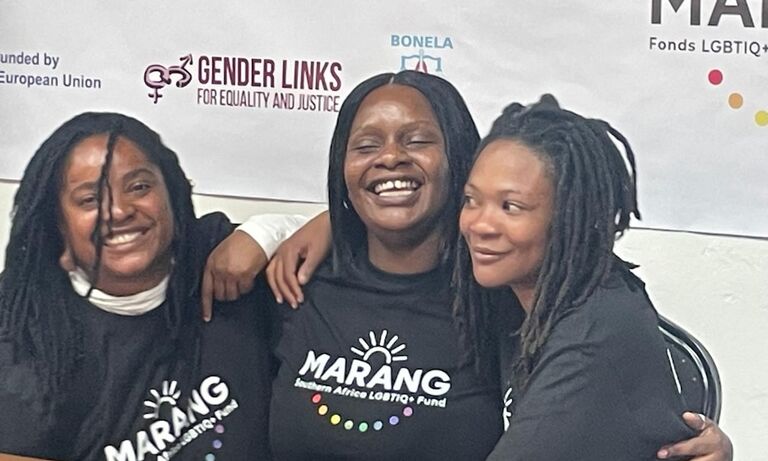
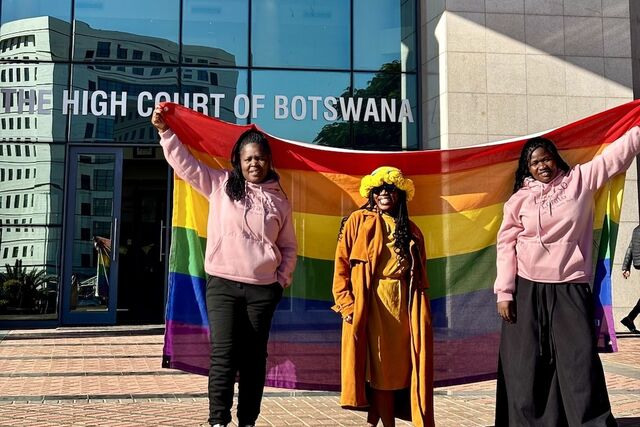
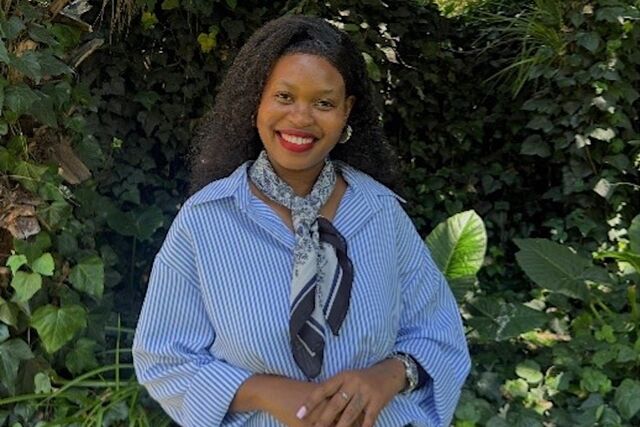
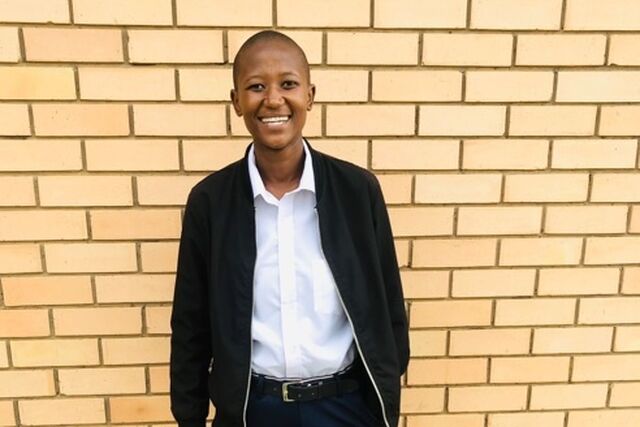
On September 18th, 2025, the Marang Southern Africa LGBTIQ Fund convened its first town hall that was guided by the theme ‘Beyond Binaries: Claiming Space for Feminist and Queer Futures in Southern Africa.’ Bringing together activists, researchers, and community leaders from across the region, the conversation created a powerful moment of reflection, strategy, and solidarity.Moderated by Lusanda Mamba, Marang’s Programme Manager, the dialogue reminded us that the struggles for feminist and queer liberation are deeply interconnected across borders, identities, and movements. With participants joining from Botswana, South Africa, Namibia, Lesotho, Zimbabwe, Madagascar, Mauritius, and beyond, the webinar affirmed the power of collective organizing in a time when anti-rights movements are intensifying their attacks.Each panelist offered a unique lens on what it means to claim space and build power, Ndiilokelwa Nthengwe (VCRC Namibia) highlighted disruption, community-led solutions, and legacy through impact, sharing their journey from tech entrepreneur to reproductive justice advocate and author. While Shinta Jennifer Ayebazibwe (University of Johannesburg) emphasized knowledge production as activism, stressing the urgency of decolonizing queerness and situating African queer narratives within broader struggles for justice. Laone van Vuuren (LeGaBiBo, Botswana) reflected on landmark victories in registration and decriminalization, reminding us that true liberation requires visibility, intersectional solidarity, and ongoing resistance beyond the courtroom. In his contribution to the conversation, Sheriff Mothopeng (Global Equality Caucus) shared insights on engaging in policy spaces, from grassroots to parliament, urging queer people to occupy decision-making roles and use storytelling, art, and research to reclaim narratives.Several common threads emerged from the discussion, the most resounding ones being disruption and visibility, which was extended to reflect on the notion that progress requires disturbing the status quo and refusing erasure. Knowledge and storytelling were also unique points that were explored, particularly how research, writing, and art can be used as integral tools for affirming existence and reshaping narratives. Another focal point of the discussion was intersectionality; queer struggles are inseparable from feminist, labor, climate, and economic justice movements, and with that, the panelists urged consideration of coalition and solidarity, mainly, how building across movements, sectors, and borders can strengthen resistance against coordinated anti-rights campaigns. In closing, the conversation was grounded by the need for sustainability beyond donor dependency; movements must imagine new models of self-funding and resilience.Looking ahead, this town hall is not an end but a beginning. It opened space for critical reflection and left us with challenging, energising questions like, “What do we choose to build?” “Even when told it is impossible?” “How do we ensure our struggles are connected and sustainable?” As the Fund continues this series of conversations, we are reminded that claiming space is not only about visibility but also about shaping futures rooted in dignity, justice, and joy. We thank our panelists, participants, and partners for joining us in this moment of movement building.For more information, contact MarangProgManager@genderlinks.org.za
Comments
Related news