
Zimbabwe: Youth who thrive and shine in a drug free and GBV free society

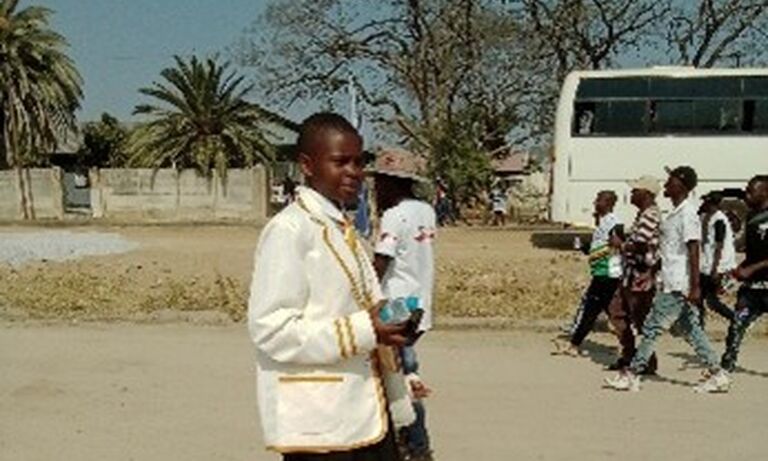
In Gokwe South, Zimbabwe, a powerful youth movement is rising, one driven not by fear of the challenges around them, but by a shared determination to build a safer, healthier and more hopeful future. At the centre of this movement is Mpofu Shelyne Chisango, an A‑Level student and junior chairperson of the Gokwe South Rural District. Her story is one of courage, leadership and an unwavering belief in the potential of young people.
Shelyne’s journey began with a clear and urgent purpose: to empower young people and create opportunities for their development. In her role as a youth leader, she has positioned herself as a voice for those who often go unheard, especially young women and girls who face the intersecting challenges of drug abuse, gender‑based violence (GBV), early marriages and declining school performance.
For Shelyne, the rise in drug and substance abuse among youth was not just a statistic, it was a threat to the dreams, health and future of an entire generation. She saw how drugs fuelled poor academic performance, exposed young people to exploitation and contributed to teen pregnancies and early marriages. Determined to reverse this trend, she envisioned a drug‑free community by 2027, one where young people could thrive academically, socially and emotionally.
This vision led to the creation of the “Youth for a Safe Future” campaign. The campaign quickly became a platform for transformation, combining education, advocacy and community mobilisation. Through school workshops, community programs and outreach events, Shelyne and her peers began raising awareness on the dangers of drug abuse and the importance of respectful, non‑violent relationships.
A defining feature of the campaign has been its focus on breaking the silence around GBV. Survivors were given safe spaces to share their stories, support groups were formed, and stigma was challenged head‑on. With these platforms, young people were no longer facing challenges in isolation, they were building collective resilience.
As the work expanded, so did its impact. Schools reported improved attendance and academic engagement, especially in subjects related to health, social studies and personal development. Youth who once felt unseen began participating in community projects, showcasing their talents and channelling their energy into positive action rather than harmful habits.
Workshops on mental health empowered young people to recognise emotional stress, seek support and build healthier relationships. Community clean‑up events became symbolic acts of reclaiming safe spaces, cleaning the environment while renewing the spirit of unity. Art and music competitions drew large crowds, giving young people a creative outlet to express their hope, frustrations and dreams.
The shift has been dramatic and measurable. Surveys showed a 60% increase in awareness about drug dangers and healthy relationships. Attendance at GBV support groups steadily grew as survivors found strength in solidarity. Youth meetings attracted more participants, while peer mentorship helped build a new leadership pipeline.
Gokwe South began to see visible signs of behavioural change, more engagement, less fear, fewer cases of substance abuse and a stronger commitment to living free from violence.
Sustaining this progress is now an essential part of Shelyne’s mission. By partnering with schools, NGOs and government stakeholders, the campaign aims to embed its programs in school curricula and community development plans. Training youth leaders as peer educators ensures knowledge continues to flow across generations. Youth councils offer young people a seat at the decision‑making table, reinforcing their role as drivers of community transformation.
The long‑term plan includes securing funding, expanding awareness campaigns and growing the support network that encourages young people to thrive. With the right resources, the vision extends far beyond 2027, towards a future where every child grows up in a community free from drugs, fear and violence.
The voices of participants reflect the community’s renewed spirit of hope:
A drug‑free society where young people commence projects at youth level — Tongwana Pascal
Girl child emancipation—the voice of the girl matter — Mahlaba Kimberly
Zero‑GBV marriages make the order and are the happies — Getrude Magoma
Today, Gokwe South stands as a testament to what happens when young people step into leadership with courage and clarity of purpose. Through education, empowerment and solidarity, they are building a society where youth truly can shine—free from drugs, violence and limitations. Their journey is far from over, and their impact continues to grow, one safe future at a time.
By: Mpofu Shelyne Chisango
Comments
Related Drivers Of Change
