
Zimbabwe: Youth driven governance benchmarking service delivery toward vision 2030

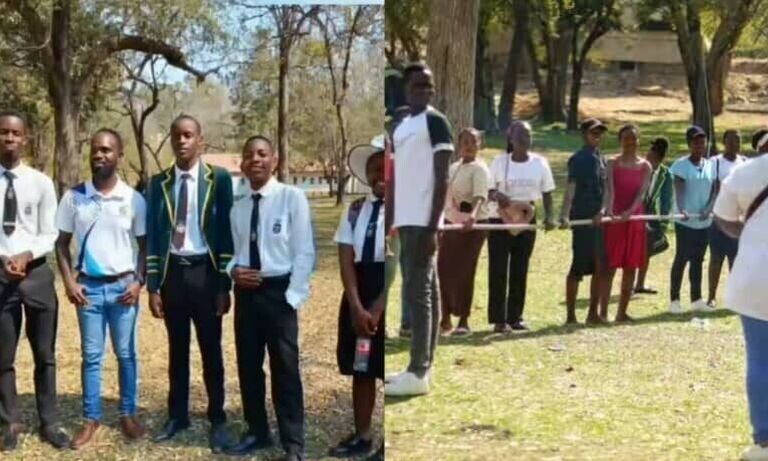
Guided by a shared vision for a safer, healthier, and more empowered youth population, the Junior Councillors recognised that many young people are growing up in environments marked by abuse, drug use, bullying, discrimination, and a lack of mentorship or career guidance. These challenges threaten not only their futures, but also Zimbabwe’s collective progress toward Vision 2030.
Kariba’s youth face multiple forms of vulnerability — mental health challenges, low self‑esteem, depression, and the loss of potential as talent is destroyed before it has the chance to grow. In response, the Junior Council positioned itself as a support system and advocacy body dedicated to transforming young people’s lives. Their work expands from education and life‑skills training to psychosocial support, stakeholder linkages, and opportunities for academic advancement through scholarships and international classes such as Zambian scholarships, aviator training, and Korean language programmes.
The Junior Councillors have also taken on the urgent task of addressing harmful behaviours among young people — drug and substance abuse, bullying, child abuse, and other deviant acts that harm individuals and disrupt the community. Through assemblies, youth meetings, awareness campaigns, and direct engagements, they teach children and adolescents about their rights, responsibilities, and pathways to safety. Their work encourages reporting of abuse, promotes respect and tolerance, and helps shape a generation capable of making informed and responsible choices.
Driving Change at Community Level
The impact of the Junior Council’s work has been profound. Many young people who were once involved in drugs have found a new sense of direction through counselling, education, and positive peer support. The Councillors have worked tirelessly to shift mindsets and help youths understand the dangers of drugs, the value of mental wellbeing, and the importance of choosing healthier lifestyles.
Their advocacy extends to disability inclusion. The Council regularly reinforces the belief that disability does not equate to inability. One example is their work with Delvin, a six‑year‑old child living with albinism. Delvin had not been attending school because his mother struggled to afford lotion, sun‑protection products, or the costs associated with obtaining his birth certificate. The Councillors intervened by securing his birth certificate, mobilising donations for lotions and creams, and registering him with social workers and the Tony Waite Organisation. Because of their efforts, Delvin begins Early Childhood Development (ECD A) in 2026 — a milestone that restores his dignity and future possibilities.
Bullying was another major issue in Kariba’s schools, particularly for learners in junior grades who were physically and emotionally abused by older pupils. The Junior Council responded by facilitating rights‑awareness sessions, speaking at school assemblies, and teaching learners how to report abuse. Their interventions resulted in a significant reduction in bullying cases, strengthened by partnerships with teachers, school leadership, and the police.
Drug and substance abuse awareness campaigns have helped young people recognise the dangers of dependency. Through meetings, testimonies, and open dialogue, 40 youths gathered to share experiences, learn coping strategies, and receive support. Many openly confessed past drug use and committed to making healthier choices. These stories reflect a shift in community attitudes — one that prioritises prevention, early intervention, and empowerment.
How This Change Came About
The transformation in Kariba is the result of both structured programmes and empathetic community engagement. The Junior Councillors’ hands‑on involvement in individual cases — such as Delvin’s — demonstrates the power of direct advocacy and personalised support.
Drug abuse awareness sessions targeted youths from all wards. Each Junior Councillor invited five young people from their respective communities, ensuring that the interventions reached across Kariba. The programme was hosted at Mopani Bay, a place previously known for high drug activity, intentionally reclaiming that space for positive transformation. By gathering youths in a familiar environment, the Council helped them confront difficult realities and envision new possibilities.
Anti‑bullying campaigns concentrated on high‑enrolment schools where reports had increased between January and July. Working with educators and the police, the Councillors conducted large‑scale engagements reaching approximately 1,000 learners. These sessions taught children how to recognise abuse, where to report it, and why respecting one another is foundational to a safe learning environment.
The Council’s partnerships — with police, social workers, community leaders, and local organisations — have given credibility and sustainability to their work. These collaborations demonstrate that youth‑led governance can successfully influence systems, policies, and attitudes.
Sustaining and Scaling the Change
To ensure long‑term impact, the Junior Council continues to expand its communication and engagement platforms. They use local radio stations to speak about youth rights, drug abuse prevention, disability inclusion, and reporting mechanisms. Livestreams and recorded audio programmes help reach community members who may not attend in‑person events.
In schools, newly established rules and disciplinary structures support safer learning environments. Severe abusers are now suspended or removed from the school environment, and repeat offenders face blacklisting. Meanwhile, individuals engaging in drugs are referred to Kariba Prison, juvenile facilities, or correctional programmes to encourage rehabilitation.
Through social media platforms such as TikTok and WhatsApp channels, the Council shares updates, awareness content, and progress reports. These tools help encourage transparency and allow the community to witness ongoing transformation.
Evidence of Change
The results speak for themselves.
Bullying cases have dropped significantly in major schools such as Nyamhunga High, where leadership publicly acknowledged the Council’s contribution.
Drug‑related arrests and reports have decreased, demonstrating growing fear of consequences and increased awareness of harm.
Community leaders, including senior councillors and gender officers, have praised the Junior Council’s dedication to protecting children and youths.
Families of children with disabilities — like Delvin — have expressed gratitude for the support and visibility the Council has provided.
The Junior Council continues to remind Kariba’s youth:
children have rights, children deserve protection, and children are the foundation of Vision 2030.
By: Taruwona Kudakweshe
Comments
Related Drivers Of Change
