
Zimbabwe : We all move forward together

With every position I held, one truth became clearer: some groups in our communities remain unheard, unrecognised, and left behind.
These groups include women, girls, youth, and people with disabilities. They are bright, capable, and full of potential, yet too often, they are not given space to speak, participate, or lead. My life’s work became centred on ensuring that no one is left behind—because true development is only possible when everyone moves forward together.
As a driver of change, I believe in seeing potential where others see limitations. I do not wait for transformation to happen—I initiate it. I turn compassion into concrete action. I support women through income‑generating projects, help youth access sports opportunities, and ensure people with disabilities regain dignity and mobility through wheelchairs and inclusion. My vision is simple but powerful: an inclusive community where every person has a voice, a role, and a future.
In my community, women had no stable income and relied solely on their husbands, which led to frequent domestic violence, financial disputes, and hardship. Youth were idle, leading to rising rates of drug abuse, crime, teenage pregnancies, and early divorces. People with disabilities were often isolated and lacked mobility, dignity, and recognition. Seeing this, I knew change was urgently needed.
Transformative Change Rooted in Inclusion
The change we witnessed was real, visible, and life‑changing.
For women, economic empowerment became the foundation of transformation. I supported the Kubatana Group, a team of ten women, with 100 roadrunner chickens to start their poultry business. With partnership support, three additional groups received 100 chicks each. I also supported a women’s tailoring group by providing 60 metres of cloth to expand their dressmaking business. These projects helped women move from dependency to financial independence. Today, they run small businesses, contribute to household income, and secure food and school fees for their families.
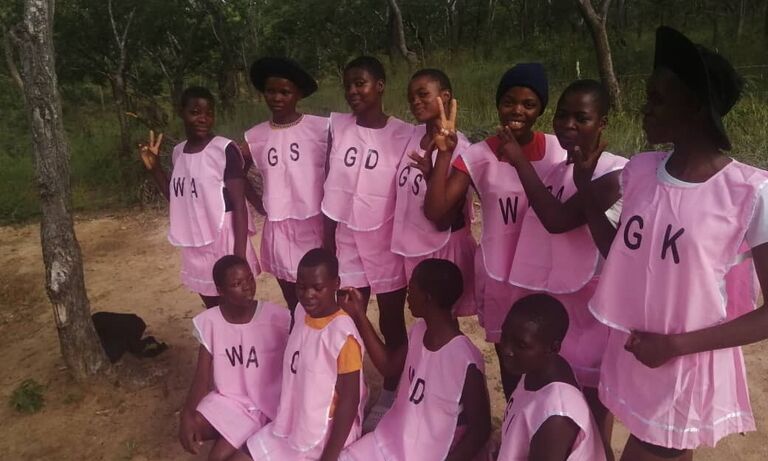
For young people, I invested in sports to reduce idleness, crime, and destructive behaviour. I bought sports uniforms and a netball ball for girls at Nyauroyi Secondary School, creating safe and healthy spaces for them to grow, develop confidence, and focus on positive goals. Sports became a powerful tool for discipline, unity, and community pride.
For people with disabilities, restoring dignity was paramount. I donated five wheelchairs to individuals who needed them, ensuring they could attend meetings, move freely, and participate in community life without depending entirely on family members. Their confidence has grown, and they are increasingly recognised as equal community members.
This change has brought harmony into homes, reduced domestic violence, and increased participation in community development. Families have regained stability, and household income has improved. Youth are more focused and engaged in positive activities. Communities now see women, youth, and people with disabilities as important contributors to local progress.
How the Change Happened
The transformation took root through a set of deliberate actions:
1. Women’s Economic Empowerment
Four women’s groups launched poultry projects, each rearing 100 roadrunner chickens. Another group began tailoring, supported with cloth and workspace at Chitowa 2 Business Centre. These businesses reduced dependence on husbands’ incomes and built women’s confidence and financial literacy.
2. Youth Development Through Sports
Sports became a prevention tool against drug abuse, crime, and early pregnancies. With uniforms and equipment, youth gained motivation, unity, and opportunities to contribute positively to their community.
3. Dignity for People With Disabilities
Wheelchairs restored mobility, confidence, and independence. People with disabilities now attend community functions, access services, and participate fully in daily life.
4. Reduction in Poverty and Violence
With improved incomes, families no longer sleep on empty stomachs. Women can now buy farming inputs, contribute to school fees, and pay council development levies—directly strengthening service delivery.
Sustaining and Scaling Up the Change
For these gains to last, sustainability is essential. We identified key strategies:
- Training for Women: Entrepreneurship, business management, and record‑keeping training will equip women to run their projects professionally and profitably.
- Diversifying Income: Encouraging internal savings and lending groups so women have multiple income streams beyond poultry and tailoring.
- Agricultural Support: Poultry groups need regular guidance from agricultural extension officers to ensure high survival rates.
- Monitoring and Evaluation: Ongoing supervision will help prevent group conflicts and ensure long‑term success.
- Formalising Businesses: Registering women's groups will help them access markets, funding, and growth opportunities.
- Market Linkages: Supporting groups to find stable markets ensures quick returns and business expansion.
- Youth Empowerment: Encouraging young people to develop sports skills and make the most of the equipment provided.
Evidence of Real, Lasting Change
The outcomes speak for themselves:
- Women’s economic empowerment has grown, with many now running businesses and supporting others.
- Gender‑based violence has decreased, as financial independence has reduced household tension.
- People with disabilities are respected, supported, and increasingly integrated into community life.
- Children’s welfare has improved, with more parents able to afford school fees, uniforms, and food.
- Youth behaviour has shifted, with reduced drug abuse and crime.
- Husbands now appreciate their wives’ contributions, bringing harmony and pride into homes.
- Local development has improved, as increased levy payments support road maintenance and other services.
- Women are investing in agriculture, buying their own inputs and farming more productively.
This change is not just visible—it is felt in every corner of Ward 5. When everyone is included, from women to youth to people with disabilities, the entire community rises. And as long as we continue nurturing inclusion, unity, and empowerment, we will keep moving forward together.
By: Margaret Gororo
Comments
Related Drivers Of Change
