
Zimbabwe: Sihamba labahambayo: “Forward Ever” horticulture project leaving no one behind

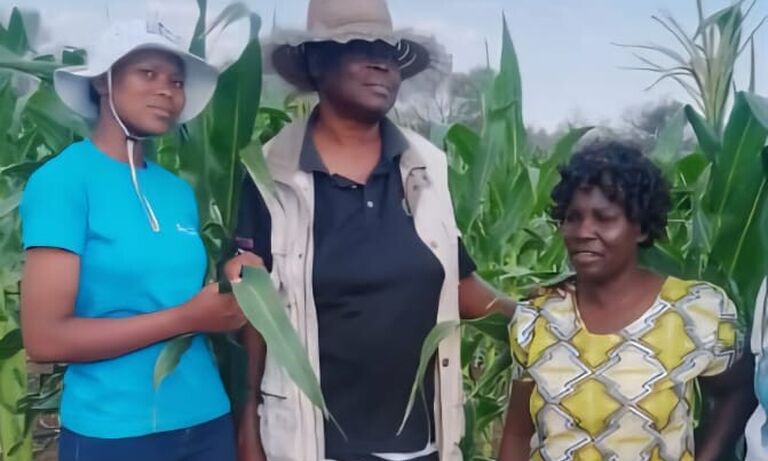
One such initiative is the Sihamba Labahambayo (Forward Ever) Horticulture Project—an inspiring, home-grown effort conceived by women survivors of gender-based violence. Many of these women faced emotional, economic, and physical abuse, and they lived in communities where poverty limited access to education and leadership opportunities. Some were caregivers to children, orphans, elderly people, and persons with disabilities. Their struggles motivated them to organise, dream, and build something that could restore dignity, financial independence, and hope.
With support from the Umguza RDC and in collaboration with SOS Children’s Home, this dream took shape. SOS provided initial fencing, water infrastructure, and agricultural inputs. Their first produce—cabbages—generated USD 1,500 for the group. For women who once struggled to meet basic needs, earning this income was transformative. Today, they are able to purchase seeds independently, including the potatoes they recently planted. Their journey is proof that when women are empowered, communities transform.
Visible Change: From Survivors to Entrepreneurs
Witnessing the progress of the Sihamba Labahambayo members has been deeply inspiring. I often say, “If you remain standing still in a fast-moving world, you become dangerous to yourself.” These women refused to stand still. Their resilience, courage, and commitment have reshaped their lives. I have always aspired to inspire others before I expire, and this project has been a reminder that true empowerment begins when people own their development.
Today, members earn a reliable income from selling vegetables, reducing household poverty while strengthening their bargaining power and agency. Many have reported a decline in gender-based violence within their relationships, as economic empowerment enhances self-worth and shifts harmful dependency dynamics.
The project has also attracted key stakeholders such as the Ministry of Women Affairs, the Zimbabwe Farmers Union (ZFU), and SOS Children’s Home, who provide ongoing training in agriculture, entrepreneurship, and conflict resolution. These skills have improved household relationships, communication, and psychological well-being.
Children in the community now have access to education because their parents can afford school fees. Clean, nearby water has improved both household and irrigation needs, while the project’s committee—largely women-led—has nurtured leadership skills and confidence. Women once excluded from decision-making spaces are now stepping into leadership with pride and competence.
How the Change Happened
The most powerful aspect of this transformation is that it was driven by the very people who needed it most. Recognising their shared challenges, community members proposed a horticulture initiative that aligned with the Council’s Local Economic Development (LED) goals. The Umguza RDC supported their vision, which advances Sustainable Development Goal 8 on decent work and economic growth.
The economic benefits have been remarkable. Members now sell vegetables at Nyamandlovu, Tsholotsho, and Bulawayo markets, ensuring steady income for household needs. Water and sanitation in the area have improved, supporting both health and agricultural productivity. What stands out most is that individuals once considered vulnerable are now independent entrepreneurs—confident, capable, and proud.
The project has become a symbol of unity, resilience, and the transformative power of women working together.
Sustaining and Scaling the Change
Sihamba Labahambayo is determined to grow sustainably. Guided by a solid constitution and good governance structures, the group maintains proper financial records, attends refresher trainings, and actively participates in Council budget consultations to influence local development priorities.
Their ambitions include building a greenhouse to ensure year-round production, establishing an orchard to supply fruits to the local school, and purchasing value-addition machines to produce juices and canned foods. These efforts will increase income and reduce post-harvest losses.
Beyond agriculture, the women are now active contributors to wider community development. Their proceeds have supported construction of the Redbank Clinic and establishment of a local police base, demonstrating collective power in improving public services. The group also practices climate-smart agriculture, using organic compost and efficient water systems to build resilience in the face of climate change.
Evidence of Transformation
The transformation is undeniable. These women once referred to themselves as “beneficiaries,” dependent on outside support. Today, they proudly call themselves entrepreneurs. They market their produce confidently, supply nearby communities, and earn steady incomes that allow them to meet household needs without assistance.
Their journey from dependency to self-reliance embodies the spirit of SDG 1: No Poverty.
Perhaps the most meaningful evidence is the change in mindset. I remember carrying vegetables to help them sell during the early days. Now, they produce enough for their homes and the market—and they train others in leadership, farming, and business. They have become catalysts of change, spreading knowledge and inspiring similar initiatives across the region.
Sihamba Labahambayo stands as proof that when women are supported, communities thrive. Their story is one of courage, unity, and the unstoppable force of empowered women—moving forward ever, leaving no one behind.
By: Gertrude Gumbo
Comments
Related Drivers Of Change
