
Zimbabwe: Empowering youth- Building futures for all

Empowering Youth Life: Whether Disabled or Not
In the heart of Zvishavane, Zimbabwe, a quiet transformation is unfolding, one driven by hope, resilience, and the belief that every young person deserves a chance to thrive. My name is Bekithemba J. Masuku, a junior counsellor under the Runde Rural District Council (RRDC) in Ture Ward 11. This is the story of how our community came together to uplift its youth, whether disabled, out of school, unemployed, or struggling under the weight of poverty.
A Community in Crisis
Before this change began, our community faced challenges that cut across generations. Many youths lacked family support, could not complete school, or had no access to employment opportunities. Families struggled with poverty, food shortages, and the inability to pay school fees. Young people, overwhelmed by stress, depression, and hopelessness, increasingly turned to drug abuse. Conflicts within families grew, and some youth abandoned schooling completely for hazardous work like gold panning. RRDC initially set out to support disadvantaged youth, the poor, and persons with disabilities.
But it soon became clear: everyone needed help. The interconnected challenges, poverty, lack of resources, health problems, and deteriorating social structures were affecting the entire community.
The Turning Point
The shift began when RRDC expanded its programming and services to reach learners, jobless youth, the elderly, and families in need. The impact quickly became visible.
Youth empowerment took centre stage. Those who had completed school but had no means to pursue further education were supported with university and polytechnic scholarships. Young people still in school were taught income‑generating skills that helped them meet their needs, food, sanitary supplies, and medical essentials. Primary school learners, often left behind in a rapidly digitalising world, received tablets, laptops, and computers. These tools not only strengthened e‑learning but also equipped them with technical skills for the future.
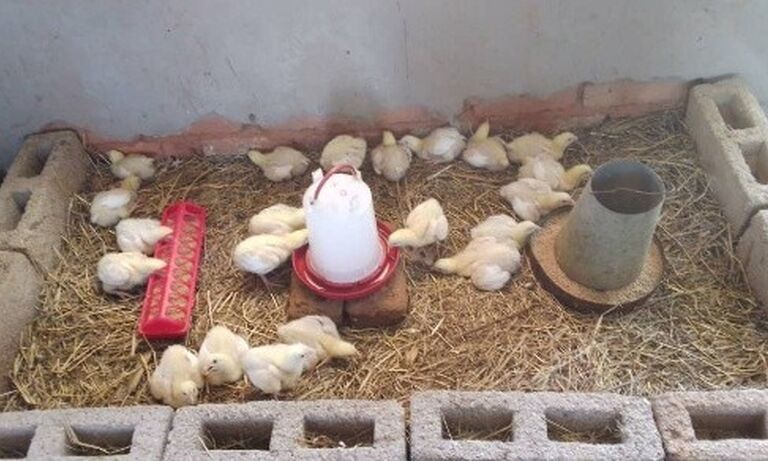
The elderly, who previously could not afford basic healthcare, now accessed free medication, nutritious food, and wellness support. Families struggling with poverty were assisted with start‑up capital to establish small businesses and income‑generating projects.
How the Change Happened
This transformation was not accidental, it was the result of an intentional series of activities designed to rebuild dignity and opportunity. Learners were taught to run small businesses through school‑based projects that generated income while building entrepreneurial skills. Young people gained knowledge about financial management, project development, and responsible decision‑making.
Before these interventions, community members lacked exposure to project planning and business skills. Many had no money to start, and no one to guide them. Today, young people can support themselves and their families. Hunger has significantly reduced, and learners have the confidence and capabilities to take charge of their futures.
Sustaining the Momentum
To make sure these gains are not lost, RRDC established a dedicated management team that monitors all community and school‑based projects. They check the condition of equipment, ensure proper usage of resources, and provide ongoing guidance to learners and project leaders.
Those who struggle with their projects are not abandoned, they are given a second chance, further training, and encouragement to try again. Those who excel are celebrated and rewarded, motivating others to persevere. Support for the elderly continues, with follow‑ups to ensure they receive medication even when hospitals are short. Short‑term relief services help keep community projects running smoothly, ensuring no one is left behind.
Evidence of Change
The transformation is visible and well documented. RRDC has:
- Photographs of activities and improvements across the community.
- Records of learners who dropped out due to fees but have since returned to school.
- Reports and testimonies from youth who received support and have experienced meaningful change.
- Documented success stories, detailing what each beneficiary received and how it changed their life.
If further proof is needed, community members themselves can speak to the difference. Interviews, follow‑up records, and comparison photos, before and after, paint a clear picture of a community rising.
Voices of Change
The youth are the builders of tomorrow, and tomorrow is built today— Joel Mangwana
Everyone deserves a second chance— Bekithemba Masuku
No one is better; we are all equal— Cherity Mhlanga
Through collective effort, RRDC has shown that meaningful change is possible—when a community believes in its youth, invests in its most vulnerable, and chooses to hope over despair. This is not just a story of assistance; it is a story of empowerment, restoration, and the building of a brighter future for all.
By: Bekithemba J. Masuku
Comments
Related Drivers Of Change
