
Zimbabwe: Building confidence, brick by brick

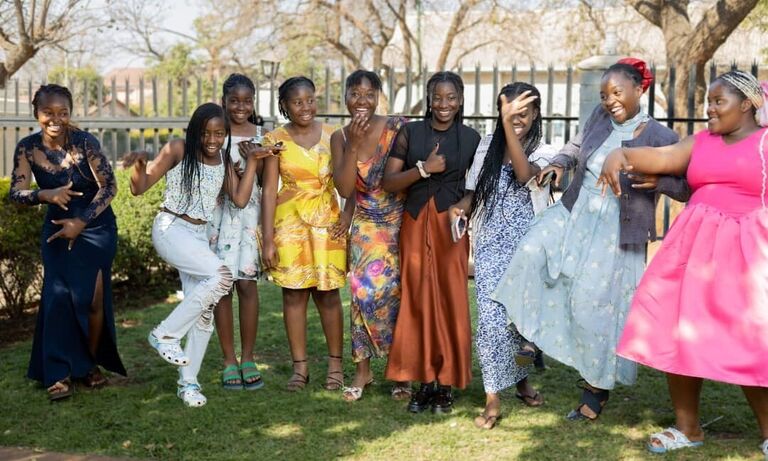
Driven by purpose and a desire to uplift others, especially girls while intentionally including boys in the journey, Courtney believes in helping young people grow socially and psychologically. Her mission is simple: to help others help themselves. But what makes her initiative extraordinary is how she reaches her audience—using play, storytelling, real life experiences, and interactive engagement to break barriers and build courage.
A Leader Shaped by Confidence, Inspiring Others
Courtney understands firsthand what confidence can unlock. She shares real stories from her own life—how stepping out of her comfort zone helped her become a leader, a speaker, and a role model. Her message resonates with many young people who have been shielded from the harsh realities of the world, only to find themselves unprepared for its demands.
She sees a pattern in the young people around her:
- the outspoken leaders,
- the followers who laugh along,
- the quiet ones, often overlooked,
- and those too afraid to speak for fear of mockery or misunderstanding.
It is the quiet child—the one hiding in their shell—that ignited her desire to act.
The Change Begins
Courtney’s confidence‑building initiative began informally. On church visits, during school interactions, and through everyday observation, she realised how many children lacked the assurance to express themselves. She started gathering small groups of boys and girls, initiating conversations about communication, self‑expression, and the courage to believe in themselves.
These sessions evolved into powerful spaces of learning and transformation. Children shared stories, asked questions, practised speaking, and began to see their value. Activities were designed to encourage openness—games, personal reflections, peer support, and guided discussions.
The impact became visible. Learners who once avoided eye contact began raising their hands. Children who hid at the back stepped forward to lead. Friendships deepened. Respect grew. A once‑muted group of young people began finding their voices.
The transformation extended to Beacon of Hope Seventh Day Adventist Church, where Courtney held sessions for girls aged 6 to 16. One of the girls—13‑year‑old Anesu Kunaka—captured the power of this initiative in her own words:
“The My Sister, My Friend event changed me in a very fearful and wonderful way. It encouraged me to let my light shine—for people and for God. Sister Courtney’s testimony inspired me to become a leader with strong and faithful qualities.”
Courtney sees this story echoed across many young girls and boys who are slowly stepping into leadership roles, shaping their societies, and building confidence brick by brick.
How the Change Happened
The change was organic, but intentional. Courtney identified a gap, created a solution, and nurtured an environment where young voices could be heard. The process brought together:
- informal mentorship sessions,
- storytelling and lived experiences,
- confidence‑building exercises,
- inclusive discussions,
- church‑based empowerment programmes,
- school‑based interactions,
- peer encouragement, and
- safe spaces for self‑expression.
Before this work began, many children mimicked others, hiding their identities to fit in. They avoided taking risks. Today, they express themselves clearly, take on leadership roles, and engage more confidently in school, community, and church activities.
Young people now demonstrate qualities such as empathy, communication, decision‑making, and responsibility—clear indicators that emotional and social growth is taking place.
Sustaining and Scaling the Change
The foundation laid is strong, but sustaining it requires consistent effort. Courtney has envisioned a pathway that ensures the change continues to grow:
1. Peer Educators as Catalysts
Peer educators within schools will help maintain the momentum, serving as role models and encouraging others to speak up and develop leadership skills.
2. Sharing Knowledge from Capacity‑Building Trainings
Young people who have attended trainings elsewhere will share what they learned, creating a cycle of empowerment and cross‑learning.
3. Mentorship Programs
A structured mentorship model—pairing students with mentors—will guide youth through challenges, build resilience, and help them set meaningful goals.
4. Extracurricular Engagement
Clubs, debate societies, youth programmes, and church activities will act as practical platforms where leadership and confidence can be practised.
5. Recognition and Celebration
Certificates, medals, shout‑outs, and public acknowledgements will help sustain enthusiasm and reinforce positive behaviour.
Through these interconnected strategies, a long‑term culture of confidence, leadership, and empowerment can take root.
Evidence of Transformation
The results speak loudly. Shy individuals are now participating actively in school debates, church presentations, and outreach activities. A remarkable example is Courtney Joseph, a Form 2 learner at Bulawayo Adventist High School.
Once reserved, she now dreams of becoming a leading public speaker and even a Junior Member of Parliament. Her confidence grew through guidance, mentorship, and exposure to leadership exercises.
Teachers, parents, peers, and community members affirm the change—young people are speaking up, taking initiative, stepping onto platforms they once avoided, and inspiring those around them.
The story of “Building Confidence, Brick by Brick” shows how one young leader’s passion is shaping a generation—encouraging children to believe in their voices, their potential, and their power to lead.
By: Courtney ,Bulawayo Adventist High School
Comments
Related Drivers Of Change
