
Zimbabwe: Breaking chains – A journey of hope and resonance

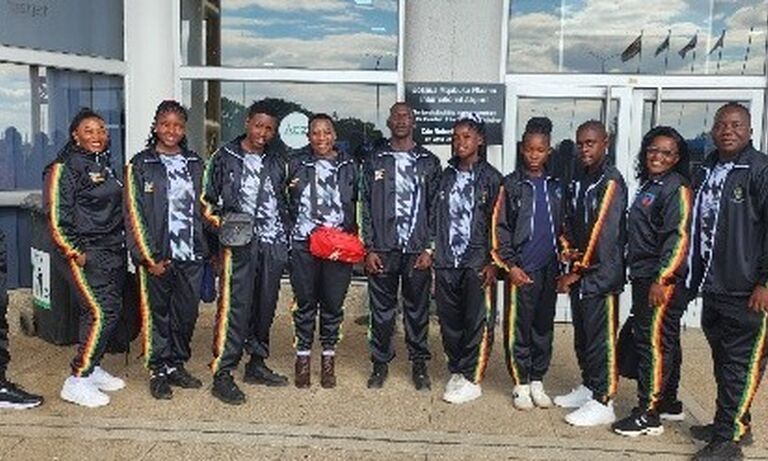
My name is Sthatshisiwe Kamusvoko, a Proportional Representative Councillor in Umguza Rural District Council in Matabeleland North, Zimbabwe. With 19 wards under the district, I serve as the Junior Council Mentor, working closely with young leaders who hold both the potential and the responsibility to drive change in their communities. My journey with them has evolved into a powerful movement focused on restoring hope, strengthening leadership, and addressing issues affecting young people, from drug and substance abuse to early marriages and environmental degradation.
My commitment to this work is shaped by personal experience, years of working with youth in church spaces, and a deep understanding of local cultures and community dynamics. These insights guide the approaches I use, blending mentorship, collaboration, and innovative youth engagement methods such as sports, arts, and technology. Central to my motivation is the recognition that our youth have been losing direction, shaken by societal pressures and weakening moral systems. Their energy needed to be redirected, and their confidence rebuilt.
A defining moment for our district was when four Junior Councillors were selected to attend the International Youth Forum (IYF) in Busan, South Korea. The delegation, four females and four males, accompanied by council officers and myself, joined young people from around the world in lectures, mindset training, and multicultural team‑building activities. This experience ignited a profound shift in how our Junior Councillors saw themselves and their capabilities. The mindset training in particular taught them that nothing is impossible, planting seeds of self-belief where doubt once dominated. They returned not just inspired, but transformed, ready to lead, to question, and to dream.
A New Generation Rises
The ripple effects of this project became evident almost immediately. Young people who previously had limited understanding of climate change and its implications began participating enthusiastically in environmental campaigns, clean‑up activities, and community discussions. In mentorship sessions, I watched them discover their voices, develop leadership skills, and build the confidence to speak before leaders, teachers, and peers.
The Junior Council transformed into a vibrant learning space where youth met with community members, council officials, and environmental stakeholders. This interaction helped them appreciate the importance of collective action and responsible stewardship of natural resources. Their personal growth extended beyond environmental management, many began tackling social issues such as drug abuse, gender inequality, and child marriage. They became role models in their schools, demonstrating discipline, collaboration, and a deepened sense of civic duty.
As their mentor, I saw not just confident individuals emerging, but a united group with a shared purpose. Their relationship with local authorities strengthened, bridging generational gaps and proving that youth voices are essential in shaping community development. These young leaders are now at the forefront of sustainable development conversations in Umguza District.
How the Transformation Happened
This change did not happen overnight. It grew through consistent mentoring, leadership training, school visits, and hands‑on involvement in community activities. Before the program, many Junior Councillors were unsure of themselves. They rarely spoke in public, and their role within the council structure felt symbolic rather than functional.
Through deliberate and structured guidance, we created spaces for them to think critically, identify community problems, and design solutions. They were encouraged to lead campaigns, host discussions, and participate actively in stakeholder meetings. Over time, their confidence flourished. They learned to communicate effectively, work as a team, and hold themselves accountable.
Today, these young leaders walk into community gatherings with assurance. They take the initiative to organise awareness campaigns, mobilise peers, and engage constructively with adults. Their leadership qualities have strengthened, earning them respect from schools, parents, and council officials. Teachers report improved discipline and engagement. Attendance records, mentorship reports, and activity logs show growing participation and commitment. Minutes from meetings and documented achievements provide concrete evidence that these shifts are real and sustainable.
Sustaining and Scaling the Change
To ensure the momentum continues, we are strengthening the mentorship program with regular sessions, leadership development trainings, and peer‑to‑peer support structures. Experienced Junior Councillors now mentor new members, ensuring continuity in values, knowledge, and community service.
Scaling the change involves expanding the mentorship model into more schools and wards, working closely with the District Development Coordinator’s Office, Umguza Rural District Council, schools, and civil society partners. Making Junior Council activities part of district development planning will institutionalise youth participation, ensuring that young voices remain part of formal decision‑making.
Our long-term vision is to nurture generations of responsible, visionary, and socially conscious leaders, youth who understand governance, champion gender equality, promote environmental sustainability, and stand against harmful social norms.
Voices of Change
We have learned teamwork, leadership, and how to represent our peers effectively — Palesa Ndiweni
Our mentor has shown us that young people can lead and make meaningful contributions in our schools and communities— Ryan Ncube
I have gained a strong sense of accountability and civic responsibility— Nomachacho Ndebele
By: Sthatshisiwe Kamusvoko
Comments
Related Drivers Of Change
