
Zimbabwe: A game changer for the voiceless empowering people with disabilities

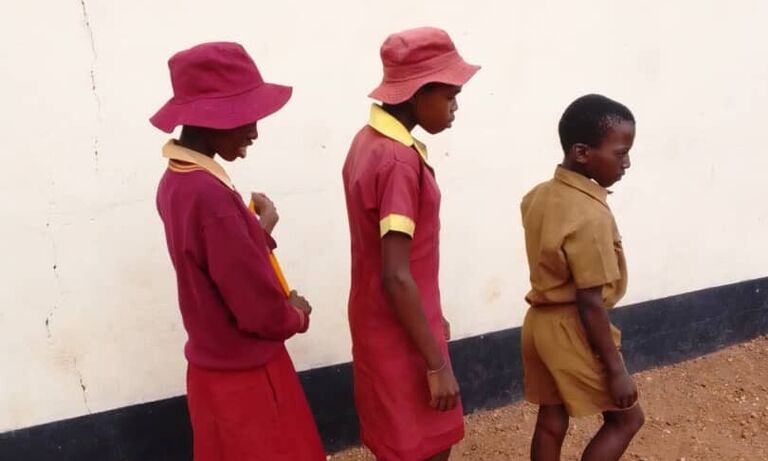
My journey has always been about giving voice to those who were silenced for generations—people with disabilities (PWDs) who were excluded from decisions that shaped their lives, families, and communities.
For years, people with disabilities in my community were treated as if they had no place in public life. They were left out of ward meetings, VIDCO committees, waterpoint discussions, and even school development committees. Many believed disability meant inability. Children with disabilities were hidden in homes, denied their right to education, and isolated from other children.
As a councillor and disability rights advocate, I knew this had to change. I committed myself to ensuring full inclusion of PWDs in all community structures and development processes. My work has centred on restoring dignity, promoting participation, and making sure disabled people are recognised as capable contributors to community development.
A Visible Shift in Inclusion and Participation
The change we have witnessed across the ward has been remarkable. Through ongoing community engagements, awareness programmes, and advocacy efforts, PWDs now understand their rights and no longer feel ashamed to participate in public life. They confidently contribute in community meetings, speak openly, and are no longer afraid to have their views recorded or acknowledged.
One of the most significant shifts has been in education access. Children and adults with disabilities, once considered unfit for schooling, are now enrolling from Early Childhood Development (ECD) to tertiary institutions. Parents who once kept their disabled children at home now proudly accompany them to school, recognising that disability does not erase a child’s right to learn.
Economic participation has also improved. PWDs in the ward are now engaging in entrepreneurship, applying for loans from banks, and taking part in community income‑generating projects such as nutrition gardens and livestock initiatives. Some have gained leadership positions within school committees, including Somhlanga Primary School’s SDC. Families who previously felt ashamed or isolated now celebrate the successes and progress of their loved ones.
This transformation has not only empowered individuals with disabilities—it has helped entire families reclaim dignity and belonging.
How the Change Happened
This positive change was driven by continuous capacity‑building programmes, community dialogues, and collaboration with organisations working in disability rights and community development. These engagements helped demystify disability and challenge long‑held beliefs that excluded PWDs from social and economic participation.
Social media campaigns, village discussions, and the involvement of traditional and community leaders played a key role. Leaders openly condemned discriminatory practices, encouraging communities to adopt more inclusive attitudes.
Non‑governmental organisations operating in the ward strengthened this movement by teaching community members about policies, human rights frameworks, and the importance of disability‑inclusive development. Their guidance empowered PWDs to take part not only as beneficiaries, but as decision‑makers.
Most importantly, PWDs themselves began taking leadership roles. Some started advocating for others, supporting peers who lacked confidence to speak up. A once‑silent population now has visible representation, including people like me—serving as a councillor and demonstrating that disability is not a barrier to leadership or excellence.
Where once PWDs were excluded from crucial conversations, today they contribute to community planning, lead projects, and pursue careers previously deemed “unsuitable” for them. Their success is evidence that meaningful inclusion transforms not only individuals but entire communities.
Sustaining and Scaling the Change
To ensure that disability inclusion remains a permanent reality, several strategies are underway:
- Ongoing community dialogues to keep conversations about disability rights active and visible.
- Continuous training for PWDs so they can understand policies, advocate for themselves, and support others.
- Strengthening organisations and structures representing PWDs, ensuring they develop new strategies aligned with modern challenges.
- Encouraging more disability advocates from within the PWD community to lead change efforts.
- Local authorities adopting disability‑inclusive policies, ensuring that development structures are accessible, unbiased, and equitable.
- NGO support, particularly in building skills, offering technical support, and resourcing disability‑inclusive programmes.
- Promoting social inclusion, including participation in sports and community events to help break stereotypes and build confidence.
With these efforts, the community is embracing a more inclusive culture, where disability is not seen as a limitation but as one of the many identities that contribute to the richness of our society.
Evidence of Transformation
As an advocate, councillor, and person with a disability, I have seen this change unfold with my own eyes.
Where there was once silence, there is now dialogue.
Where there was exclusion, there is now participation.
Where there was stigma, there is growing respect and appreciation.
PWDs now take part in community meetings, development planning, income‑generating initiatives, and school governance. Some have started their own projects, while others are gaining qualifications and pursuing careers that once seemed out of reach.
The local council has begun incorporating disability issues into development planning. New school buildings include ramps. Meeting venues are more accessible. Community members now acknowledge disability rights as basic human rights.
I regularly receive messages of appreciation from PWDs who finally feel seen, valued, and respected. Many tell me they are no longer treated as separate or special cases—they are recognised as full members of the community.
By: Themba Mathias Siziba
Comments
Related Drivers Of Change
