
Lesotho: Building new norms for LGBTIQ+ economic empowerment through mindset change

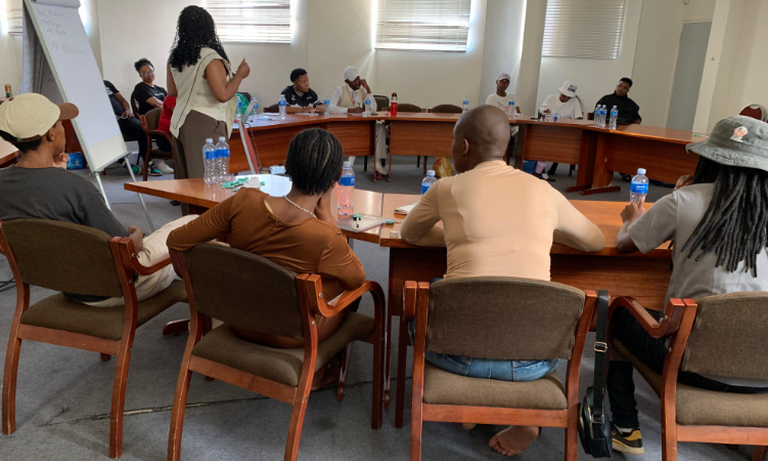
Queer WorX is redefining LGBTIQ+ economic empowerment in Lesotho through evidence-based leadership, mindset change and community-driven skills development, building visibility, dignity and long-term pathways into economic participation.
Queer WorX is a queer-led non-profit organisation advancing economic and social inclusion for LGBTIQ+ communities in Lesotho. It was founded to respond directly to the deep economic exclusion that queer people face due to discrimination, stigma and structural invisibility. Despite years of activism focused on visibility and protection, economic exclusion remained insufficiently addressed.
Baseline findings show high unemployment and limited access to business and digital skills among LGBTIQ+ people. Many rely on informal work, while fear of institutions and internalised stigma further limit participation. Structural gaps worsen these challenges, including national data systems that recognise only male and female identities, contributing to statistical invisibility and policy neglect.
Queer WorX responded by combining evidence, legal education, digital literacy and targeted business skills training to create practical pathways for participation. Through baseline assessments and focus group discussions, community members identified the need for confidence-building, skills development and safe spaces to enter economic systems. This led to a strategic shift from awareness alone toward capacity building.
Supported by The Other Foundation and the Marang Fund, Queer WorX launched Queer Econ, a skills-focused programme providing business development, digital literacy and confidence-building. Participants reported motivation and readiness to pursue economic opportunities.
This inspired the creation of Phutheho, Lesotho’s first LGBTIQ+ Business Network and Market. Designed from community priorities, it aims to increase visibility, connect peers and create access to markets. Queer WorX also formed partnerships with E-Legal Solutions to simplify compliance requirements and with Bloom Communications to build digital literacy and professional branding.
Regional partnerships with Marang Fund grantees such as the International Human Rights Lab strengthened advocacy and learning. The Junior Journalist Development Initiative further expanded Queer WorX’s media advocacy focus by engaging emerging journalists to build ethical, human-centred reporting on LGBTIQ+ lives and economic participation.
Tangible change is emerging. Entrepreneurs and professionals now have access to practical business, digital and legal skills. Community members demonstrate increased confidence and readiness to engage in economic spaces. Strong interest in Phutheho and the journalist initiative illustrates expanding visibility and demand.
Sustainability is built through community ownership, leadership development and strategic partnerships. Peer networks continue sharing knowledge beyond workshops. The journalist initiative shapes future media narratives, while Phutheho embeds ongoing opportunities for market access and visibility.
Partnerships with media houses, legal organisations, advocacy groups, and regional networks expand reach and attract continued support. As more participants gain skills and become mentors, Queer WorX strengthens collective capacity, visibility and readiness for policy influence.
Qoutes
Thabang, I would like to start a business, but I also wish that as a community we can come together and form a cooperative.
Mafeteng, I would participate more in those online courses if I didn’t have to travel to Maseru every time.
Comments
Related Drivers Of Change
