South Africa: Gender on the Agenda

A community-rooted feminist climate justice project is reshaping climate conversations in Southern Africa by centring lived experience, indigenous knowledge, and marginalised voices to build inclusive, intergenerational, and people-centred climate action spaces.
The OurClimateAGender initiative works at the intersection of gender justice, climate action and indigenous knowledge. By establishing inclusive, intergenerational spaces, the project shifts climate conversations away from technical, policy-heavy discussions to ones rooted in lived realities. The project focuses on communities in South Africa who are most affected by climate change, including women, youth, LGBTQIA+ individuals, elderly people, and people living with disabilities.
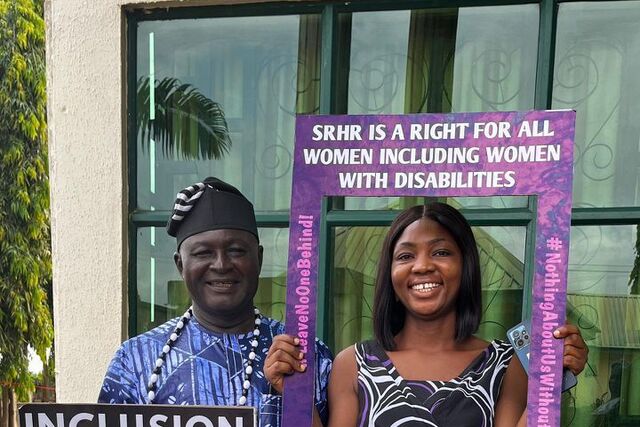
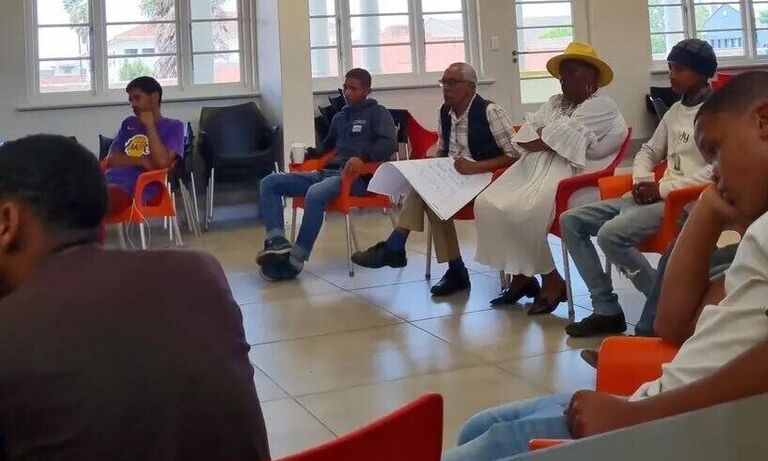
Intentional, community-rooted engagement lies at the core of the project. Facilitated dialogues, participatory methods, and storytelling sessions enabled community members to speak from lived experience and share cultural knowledge. Over time, climate discussions transformed from extractive or top-down processes into reflective, collaborative and empowering engagements. The motto “nothing for us without us” guided the work, ensuring that community members were active participants rather than passive beneficiaries.
The change became visible as community members who previously felt excluded began confidently articulating how climate impacts intersect with gender, livelihoods, identity, and inequality. These shifts strengthened trust, participation and community cohesion. The project demonstrated that knowledge is co-created and that climate solutions cannot be separated from social, cultural and gendered realities.
Before the project, marginalised groups had limited access to accessible and relevant climate information. Conversations often failed to acknowledge indigenous or local knowledge systems. Through the initiative, women, youth, LGBTQIA+ individuals and elders gained confidence, awareness and recognition as legitimate contributors in climate spaces. The broader community benefitted from improved dialogue and intergenerational learning.
The project is significant in reframing climate action as a justice-led movement. It reinforces the importance of intersectionality, community-rooted knowledge, and inclusive participation. Sustainable climate action requires the voices of those most affected by climate impacts and structural inequality. The work challenges extractive engagement models and strengthens solidarity and collective leadership.
The change will be sustained through ongoing community relationships and embedded participatory practices. Documentation, storytelling and knowledge-sharing ensure that learnings continue to travel across spaces and inform future advocacy. The model is adaptable and can be replicated across regions, prioritising networks, partnerships and collaboration over rapid expansion. The next phase of work will deepen community-led advocacy, strengthen partnerships and ensure community voices influence policy.
Quotes
Geronimo de Klerk: I’m happy I get to have my community members in attendance everytime there are these kinds of events that are hosted.
Marcus Solomon: I’m very happy to see the baton has been passed to a generation that is still continuing the movement.
Nosizwe Bavuma: When are you coming to the communities, we need to share this information with vulnerable groups in the community.
Comments
Related Stories Of Change