Southern Africa: Media Parity Programme launches

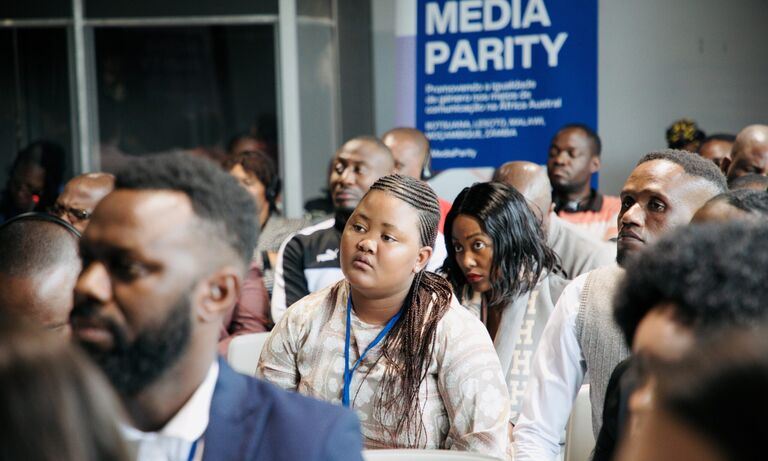
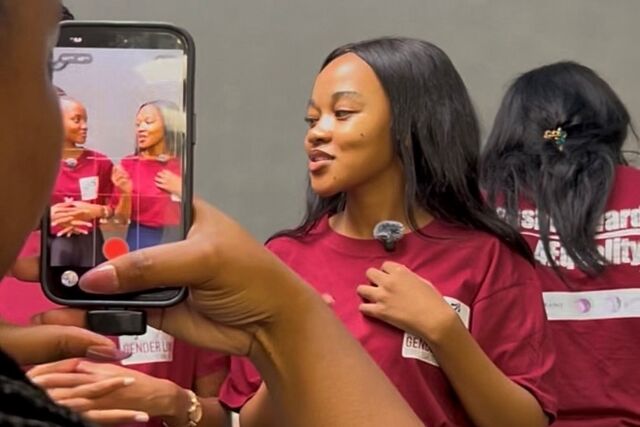
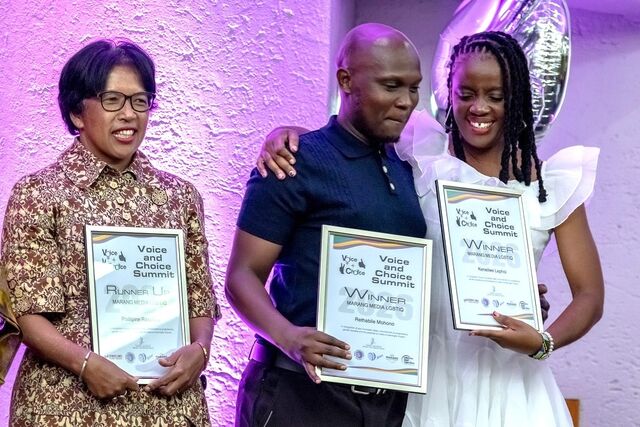
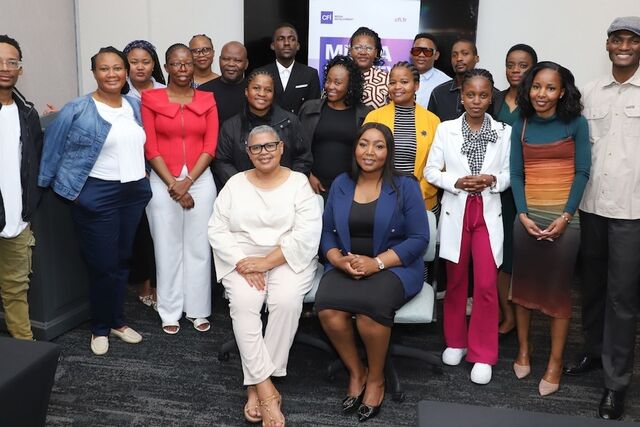
Women’s voices remain significantly sidelined in Southern African media - both in newsrooms and stories being told. A powerful new initiative – the Media Parity Capacity Building Programme – is gearing up to tackle persistent gender gaps. The programme officially launched at the close of a dynamic two-day regional workshop in Johannesburg, where 22 media outlets and training facilitators from five countries came together to share ideas and shape action plans.
The closing launch event featured keynote address by Jillian Green, Editor-in-Chief of Daily Maverick, who also moderated a captivating panel discussion following screening of SECTION 16: A Daily Maverick Documentary. Panellists shared insights and deeply personal experiences as journalists and media managers around issues such as gender, equality, mental health and harassment in in all its forms. Transforming media, from the inside out A partnership between Gender Links (GL) and CFI Media Development (CFI), the Media Parity programme is working with 22 media outlets across Botswana, Lesotho, Malawi, Mozambique, and Zambia to advance gender equality in both media content and workplaces. “Gender Links first slogan was: gender equality in and through the media.
This project speaks to one of our core values and beliefs. It is about more than increasing women’s visibility in the media. It’s about transforming the media from the inside out - making gender equality a core value in both content and newsroom culture,” said Colleen Lowe Morna, Gender Links' Special Advisor. According to research, women account for just 21% of voices heard, seen or read about in news across the Southern African Development Community (SADC) region – and this figure has barely shifted in two decades. “In 2025, women remain underrepresented in both newsrooms and the media stories shaping our societies. For too long, news has been told mostly by men - meaning we only get part of the story,” said Aurélie Socias, Head of the Africa Desk at CFI. “This project aims to help change that by promoting fairer representation, while inspiring the next generation of women journalists to claim their place in this vibrant, vital profession.” Why it matters: facts at a glance Media monitoring tracking progress across 14 Southern Africa Development Community (SADC) countries shows women persistently missing in news coverage - underscoring the necessity of initiatives like the Media Parity programme.
- Marginal progress, a mere 4% increase in women sources since 2003 (from 17% to 21%).
- Online news platforms, first monitored in 2020, also lag with only 19% women sources.
- Women least represented in stories about: sports (12%); politics (14%); and government & economy (19%)
- Only topic women’s voices (52%) outnumber men’s is gender equality.
- Sexual Reproductive Health and Rights (SRHR) – a critical issue for women in Southern Africa - is drastically underreported, accounting for just 2% of stories; half of which cover gender-based violence. Even here, men still majority of voices (55%).
For more information contact Deborah Walter, Media Parity Project Manager, Gender Links media@genderlinks.org.za.
Comments
Related news