Zimbabwe: Youth and councils unite against drug and substance abuse

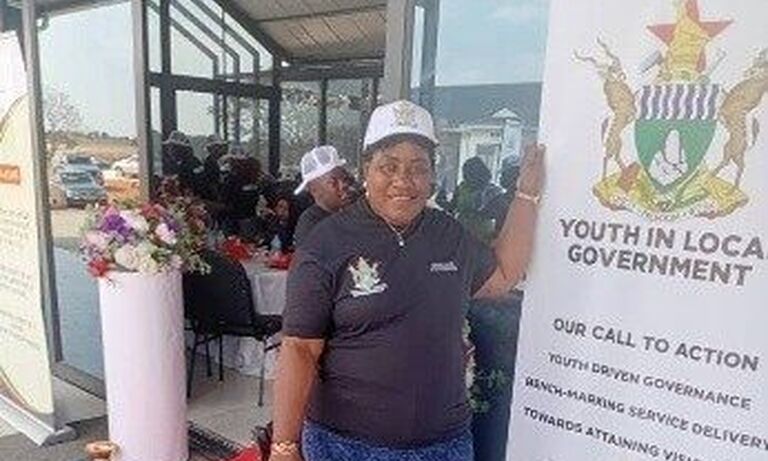
In the heart of Gokwe North, a powerful movement is emerging, one driven by community leaders, young people, and a shared commitment to protect the district’s children from the devastating rise of drug and substance abuse. Brenda Mugava, Gender Links Champion, Chairperson of the Gender Committee, and Councillor in Gokwe North Rural District Council, has become a central figure in this fight. Brenda’s work is rooted in empathy and a deep understanding of how drugs threaten the future of her community. In Nembudziya and surrounding areas, young people, and especially school children, were increasingly exposed to dangerous substances like marijuana and the widely abused BronCleer cough syrup, referred to locally as “Bronco.”
The effects were immediate and heart‑breaking. Children as young as 13 were dropping out of school. Many girls, impaired by drugs and pressured by older peers, fell into early sexual activity, resulting in teenage pregnancies and unplanned marriages. Boys became entangled in risky behaviour, poor decision‑making, and emerging violence. In homes and schools, parents and teachers were overwhelmed. Brenda and the Gokwe North RDC could not watch an entire generation slip away.
A Turning Point: Mobilising the Youth and the Council
The local authority recognised that local government’s role goes beyond administration—it must protect citizens, listen to community needs, and act decisively. The council therefore partnered with ministerial agencies, junior councillors, and gender structures to launch a coordinated fight against substance abuse.
Brenda spearheaded a district‑wide campaign to:
- Reduce school dropouts
- Stop child marriages
- Prevent drug and substance abuse
- Educate families and schools on early intervention
- Mobilise youth leadership to champion awareness
What makes this initiative unique is how local government and youth structures partnered as equals, speaking with one voice and working toward a shared vision: a drug‑free Gokwe North.
The Change: A Community Awakened
The changes have been profound and measurable.
1. Youth‑led Awareness Campaigns
Young leaders and Child Parliamentarians embraced the campaign, hosting dialogues, workshops, and awareness sessions throughout the district. Brenda organised seminars at the council boardroom where youths were invited to learn and openly discuss the dangers of drug abuse.
2. Revitalised Education and Youth Programmes
Nembudziya became a hub for youth‑focused development activities, aimed at strengthening motivation and reinforcing the value of education. Schools began focusing more on counselling, mentorship, and safety.
3. A Community Empowered with Knowledge
Awareness programmes gave families, teachers, and young people the facts they needed to make informed decisions. These efforts helped:
- Reduce drug experimentation
- Improve reasoning and self‑control among youth
- Help students resist peer pressure
- Destigmatize addiction and encourage treatment-seeking
4. Improved Community Health and Safety
Fewer young people are engaging in drug‑related behaviour, meaning less crime, fewer health emergencies, and stronger family bonds.
5. Measurable Reduction in Child Marriages
Before the intervention, police in Gokwe North were overwhelmed with cases of underage marriage. Today, these reports have significantly declined. The community now views addiction as a health issue, not a moral failing. This shift has encouraged more people to seek help and support others without judgment.
How the Change Happened
This transformation was not accidental; it was built through intentional, collaborative actions:
- Council boardroom seminars for youth engagement
- District-wide awareness campaigns led by the Junior Council and Gender Committee
- Policy alignment with the Government of Zimbabwe’s Multisectoral Drug and Substance Abuse Plan (2024–2030)
- Community education on the effects of drugs on mental and physical health
- Support from schools, churches, and community leaders
Before the intervention, Gokwe North faced widespread arrests, numerous child marriages, and soaring school dropout rates. Today, leaders, teachers, parents, and youth work together to create a safer, supportive environment.
Sustaining and Scaling Up the Change
To maintain momentum, the district is committed to:
1. Continuous Engagement of All Schools
Headmasters, teachers, and school development committees now meet regularly with the council to monitor ongoing issues and share prevention strategies.
2. Promoting Open Dialogue
Communities are encouraged to speak openly about addiction, mental health, and the factors that drive substance use.
3. Strengthening Prevention Campaigns
By introducing targeted awareness sessions for girls, marginalized youth, and at‑risk groups, the council aims to reduce new cases of drug abuse and early marriage.
4. Creating an Environment that Supports Recovery
This includes linking youths to local resources, counselling services, health facilities, and trained mentors.
5. Building More Youth-Led Leadership Platforms
Young people remain at the centre of the campaign, ensuring long-term ownership and sustainability.
Evidence of Change
The impact is visible through:
- Reduced school dropouts
- Fewer reports of child marriages
- Greater participation in youth forums
- Improved cooperation between police, schools, and council
- Testimonies from communities and teachers
- Documented seminars and campaign photographs
Nationally recognised evidence-based programmes like Safety First and DARE have also influenced local strategies, reinforcing prevention and community support
By: Brenda Mugava
Comments
Related Drivers Of Change