Zimbabwe: Protecting Girls, empowering youth, and rebuilding hope in Zibagwe

My name is Merbo Moyo, a Lower Sixth student at St Jude’s Mhazhe High School and a Junior Councillor under the Zibagwe Rural District Council (ZRDC). For years, my ward lived under the weight of challenges that deeply affected young people, particularly girls. Child marriages, teenage pregnancies, drug and substance abuse, and sexual harassment had become common experiences for many learners. As a young leader, I witnessed first‑hand how these issues stole childhoods and futures. Girls at St Jude’s Mhazhe High School walked long distances to get to class each day. The journey exposed them to bullying, harassment, and sexual abuse from illegal miners and school leavers lingering near the gold mine. Many dropped out of school entirely. Some returned home pregnant. Others, overwhelmed by shame and hopelessness, attempted suicide.
Behind closed doors, more girls endured emotional, physical, and sexual abuse. Many were orphans or from vulnerable households where adults exploited their power. Girls as young as 14 were pushed into early marriages in the hope that a husband might ease financial pressure. These practices stripped away their rights and dreams.
Drug and substance abuse compounded the crisis. Learners slipped out to nearby community shops during school hours, returning with drugs or illicit substances. Bullying increased, and dropouts followed. For a long time, it felt as though the cycle would never break.
The Turning Point
Change began when the school administration, together with community members and partners, committed themselves to responding to these issues. A major breakthrough came with the construction of a Sustainable Boarding Facility by the National AIDS Council (NAC). This safe space gave girls, especially those travelling long distances or escaping abuse at home, a place to live, learn, and rebuild their confidence. The hostel became more than a building; it became a shield. Rates of bullying and sexual harassment dropped significantly. Unwanted pregnancies declined. Girls who had once been on the verge of dropping out were now staying in school, protected and supported. With stability came academic improvement: the school’s pass rate rose, showing that safety and education go hand in hand. Another positive development was the introduction of a school tuckshop. By ensuring that food and stationery were available on‑site, learners no longer needed to visit community shops—removing the temptation and access to drugs and harmful substances. This simple intervention contributed to fewer dropouts and created a safer, more controlled learning environment.
Driving Change Through Community Action
The transformation in my ward did not happen overnight. It grew from intentional activities driven by the school and community. We conducted awareness campaigns on early child marriages, teenage pregnancies, and substance abuse. These campaigns sparked honest conversations and challenged harmful norms that once felt unshakeable.
Guidance and counselling sessions played a crucial role. Survivors of abuse, learners struggling with substance use, and those who had attempted suicide received emotional support and tools to cope. Many began to see hope again. The Boarding Facility, meanwhile, became a refuge for girls who had lived through violence. With a safe place to sleep, access to food, and support from teachers and peers, they could finally focus on education. For the first time, the community saw a coordinated effort to protect its children.
Sustaining and Expanding the Change
Although progress has been made, several challenges remain. To fully protect every child, we need to expand the Boarding Facility so all girls, especially those travelling long distances, can stay in a safe environment. With additional dormitories, we could reduce early marriage, teenage pregnancy, and dropout rates by an estimated 95%, while increasing the school pass rate by 50%. We also need a boys’ hostel, as boys too face bullying, long travel distances, and the pull of illegal mining before the age of 18. A safe residential space would keep them in school, reduce substance abuse, and limit their involvement in dangerous mining activities.
Finally, awareness campaigns and counselling must continue. These interventions shift mindsets, heal trauma, and strengthen the community’s capacity to protect its youth.
Evidence of Impact
Our ward has changed dramatically, and we have strong evidence to show it.
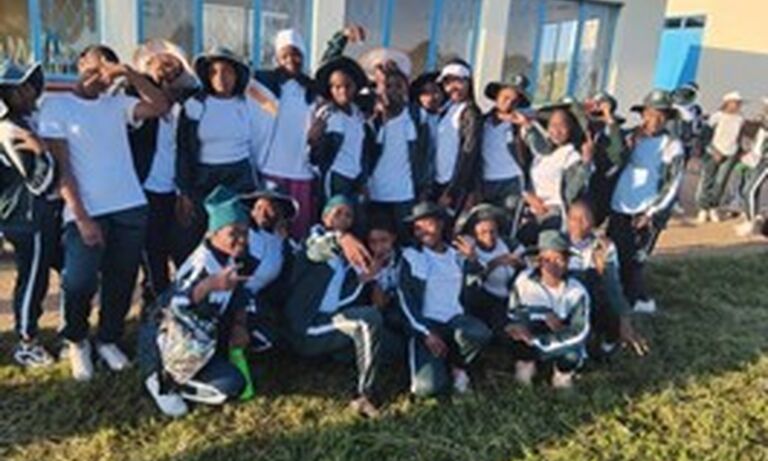
- Photographs of the Boarding Facility and the girls who stay there demonstrate the new safe environment and improved access to education.
- A video testimony from a girl who once walked long distances and suffered frequent bullying, highlights how her life changed once she moved into the facility.
- School records show improved pass rates and a substantial decline in the number of dropouts compared to the previous year.
- Images from awareness campaigns and documentation of counselling sessions reveal the depth of community involvement and commitment to ending early marriages and drug abuse.
Through collective action, courage, and care, our ward is becoming a safer place for girls and boys to grow, learn, and dream again. The journey continues, but the change we see today gives us hope for the Zimbabwe we are building, one where every child is protected, valued, and empowered.
By: Merbo Moyo
Comments
Related Drivers Of Change