Zimbabwe: Promoting inclusive gender economic empowerment, leaving no one behind

When she began this journey, Time Village faced entrenched poverty, food insecurity, and limited access to sustainable livelihoods. Families depended heavily on rain-fed agriculture, waiting for the rainy season before planting anything. Productivity was low, and food security was fragile. Planning for the future was rare, and many residents lived one season at a time.
Yet through visionary leadership, innovation, and collective responsibility, Time Village has undergone a dramatic transformation — proving that empowered communities can rewrite their own stories.
Shifting Mindsets, Changing Lives
Councillor Mupatsi’s approach began with changing how people viewed themselves and their environment. Through education, community mobilisation, and leading by example, she encouraged households to adopt a new mindset: one that valued year‑round productivity, innovation, and hard work.
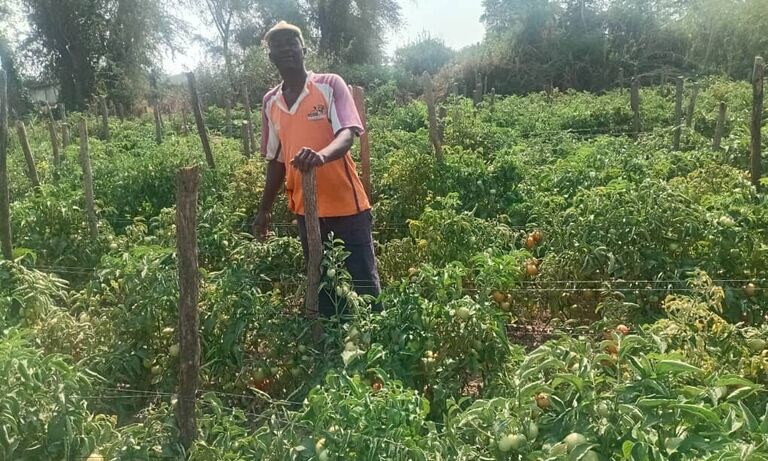
Today, the results are visible everywhere. Households run vibrant gardens and farms that remain green throughout the year. Families now supply vegetables and produce to vending markets in Gokwe, Kwekwe, and Gweru. Access to clean water and improved sanitation has strengthened both human and animal health. Better nutrition has drastically reduced preventable diseases.
The once‑common challenges of poverty, high dropout rates, early marriages, and food shortages have significantly declined. With improved infrastructure and regular payment of school levies, education has stabilised and strengthened. Children stay in school for longer, and community pride is growing.
Notably, the wellbeing of persons with disabilities, vulnerable groups, and the elderly has improved through supportive community initiatives. Solar‑powered homes, modern structures, and self‑sustaining livelihoods now symbolise the progress of Time Village.
As Councillor Mupatsi says, she has become “a friend to many and an enemy to a few” — resisting exploitation, encouraging responsibility, and standing firm for equality and progress.
A Community Transformed
The change in Time Village spans social, economic, and infrastructural dimensions.
1. Infrastructure and Mobility
Improved roads and enhanced river crossings — especially across the challenging Sasame River — have opened up transport routes for goods and people. What were once barriers to movement and trade are now functional passageways supporting economic activity.
2. Decline in Social Challenges
With parents now able to pay school fees, early marriages have decreased. Young people who once faced idle time and fell into drug use are now engaged in productive farming and entrepreneurship.
3. Homes and Livelihoods Upgraded
Families now live in improved homes, some equipped with boreholes and solar energy. Income-generating gardens have flourished, enabling households to provide food, earn money, and feed their livestock.
4. Agriculture as a Business
Time Village is no longer subsistence-driven. Farming is treated as an enterprise. Local gardeners supply maize, tomatoes, and watermelons to distant markets, contributing to district‑wide food supply chains.
5. Gender-Based Violence Declines
With both men and women focused on economic empowerment, conflict has reduced. Shared responsibilities have improved household cooperation and strengthened gender equality.
Through all these developments, Time Village has evolved into a self-reliant, entrepreneurial, and forward‑looking community.
How the Change Happened
The transformation was rooted in coordinated, community‑led development initiatives. Key actions included:
• Capacity Building
Community members received training in agribusiness, sustainable farming, and entrepreneurship. These practical skills opened new pathways for income and resilience.
• Human Rights and Social Inclusion
Awareness campaigns encouraged gender equality, disability inclusion, and protection of vulnerable groups.
• Infrastructure Development
Better roads, rehabilitated river crossings, expanded access to clean water, and improved sanitation laid the foundation for growth.
• Economic Empowerment Projects
Partnerships with organisations such as CAMFED provided financial support for women to start income‑generating activities — notably goat‑rearing projects within mother support groups. These supported school feeding programmes and helped disadvantaged children remain in school.
• Strong Community Engagement
Through regular meetings, transparent leadership, and participatory decision‑making, residents developed ownership of their development process.
Before these interventions, poverty, food insecurity, and a lack of opportunity defined life in Time Village. Today, incomes have risen, school enrolment has increased, and families actively plan for the future.
Time Village now stands as a model of sustainable, community‑driven development.
Sustaining and Expanding the Change
To ensure the transformation endures, the community is prioritising:
- Continuous capacity building for skills transfer and leadership development
- Deepened partnerships with NGOs, local government and support organisations
- Consistent monitoring and evaluation to track progress and adjust strategies
- Involvement of youth to ensure generational continuity
- Community‑led advocacy to promote self‑reliance and reduce dependency
Through these efforts, the empowerment of Time Village will not only be sustained but replicated in surrounding areas.
Evidence of Transformation
The evidence is clear and tangible:
- Drip irrigation systems, sprinklers and modern tools have replaced labour‑intensive watering cans
- Documented progress through photos, videos and field reports
- Increased job satisfaction among farmers
- Improved nutrition, better houses, and higher school enrolment
- Greater gender equality through active participation of women
- Strong social cohesion and optimism
- Beneficiary testimonies expressing new purpose, pride and opportunity
Time Village is no longer defined by poverty — but by possibility.
By: Councillor Mupatsi
Comments
Related Drivers Of Change