
Zimbabwe: From Scars to Stars — The journey of women at Botha Farm

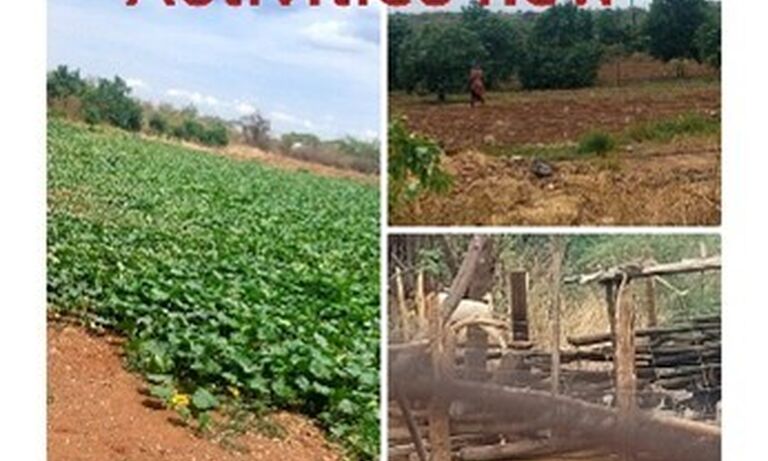
In Kadoma, along Old Chakari Road, lies Botha Farm, a community long forgotten in development discussions, overshadowed by poverty, abandonment, and years of gendered hardship. But out of this overlooked place has risen a powerful story of resilience and transformation led by women who once carried the scars of struggle and now stand proudly as stars of change.
This transformation began with Munashe Ziyambi, the Junior Town Clerk of Kadoma and founder of an empowerment initiative centred on market gardening and poultry farming. With support from Mr. Z. Ziyambi, owner of Botha Farm, Munashe launched a project designed to restore dignity and economic independence for women who had endured years of marginalisation.
A Community Left Behind
For decades, Botha Farm’s women lived lives shaped by dependency and vulnerability. Many relied entirely on husbands working in artisanal mines dangerous, unpredictable work that declined as gold deposits depleted. When incomes dropped, some men abandoned their families in search of greener pastures, leaving women behind to fend for themselves. Their homes, mostly fragile dagga structures, collapsed in harsh weather. With no employment opportunities, many women were pushed into unsafe survival activities, exposing themselves to exploitation and harm for almost no financial reward. They carried scars of poverty, abandonment, and social neglect. The initiative arose from a vision to rewrite their story. As Munashe says, “From scars to stars is not just a motto; it is a mission to transform every struggle into hope.
The Change: When Women Rise, Communities Rise
The introduction of market gardening and poultry farming at Botha Farm has sparked remarkable change. What began as a small pilot project has evolved into a powerful movement of women reclaiming purpose, agency, and economic stability.
Where women once spent their days idle or risking their lives in informal mining, they are now:
- cultivate vegetables,
- manage poultry units,
- earn steady weekly income,
- contribute to school fees and groceries,
- and rebuild their homes with dignity.
The shift from dangerous artisanal mining to structured agriculture has improved safety, stability, and food security across the community. Mothers now return home with baskets of fresh produce—not exhaustion and fear. Children benefit from better nutrition, consistent schooling, and the pride of seeing their mothers succeed. The project’s impact extends beyond economics; it has restored confidence, hope, and identity. Women who once felt invisible now walk with purpose, hold leadership roles in gardens, and participate actively in community discussions. This initiative did not just teach farming— it cultivated resilience and reawakened the strength of women who now lead with pride.
How the Change Came About
The transformation at Botha Farm was intentional, strategic, and deeply community oriented. Munashe, recognising the urgent need for intervention, mobilised women and established a programme rooted in empowerment and sustainability.
The process involved:
1. Mobilising Local Women
Community meetings were held to identify women interested in rebuilding their livelihoods.
2. Leveraging Unused Land
Portions of Botha Farm were allocated for market gardens and small poultry units.
3. Providing the Tools
Women received seeds, farming tools, training on sustainable agriculture, and basic poultry management skills.
4. Mentorship and Ongoing Support
Through continual engagement, women gained confidence in managing their plots and livestock independently.
5. Creating a Marketing Pathway
The produce was sold within Kadoma and surrounding communities, generating income for families who previously depended on unstable mining earnings.
Evidence of change is undeniable:
- Women who had no income now report steady weekly earnings.
- School fee payments have improved.
- Dilapidated dagga huts are being replaced with stronger structures.
- Participation in dangerous mining has drastically decreased.
The laughter in the gardens, the vibrancy of new crops, and the pride in children’s school uniforms speak louder than any report.
Sustaining and Scaling the Change
To ensure the initiative thrives and expands, a comprehensive plan is underway:
1. Building Skills for Long-Term Independence
Women are being trained in:
- financial literacy
- business management
- savings and reinvestment
- cooperative leadership
This prepares them to run their ventures sustainably.
2. Establishing Women’s Cooperatives
Pooling resources enables women to access inputs more affordably and negotiate better market prices.
3. Replicating the Model Across Kadoma
Plans are in place to roll out the initiative in neighbouring farms and settlements facing similar challenges.
4. Creating a Women’s Resource Centre
The envisioned centre will:
- offer training
- serve as a model farm
- host empowerment workshops
- support new women-led enterprises
5. Integrating Climate-Smart Agriculture
Techniques such as mulching, drip irrigation, and drought-resistant crops will help the gardens withstand climate variability.
6. Strengthening Partnerships
Working with local government, NGOs, and supportive stakeholders will unlock more resources to expand the programme.
Sustainability is not an afterthought—it is the heartbeat of this transformation.
Evidence of Change
The proof is visible throughout Botha Farm:
- Rows of thriving vegetables where bare land once lay
- Poultry units managed professionally by women
- Household improvements financed by women’s earnings
- School records showing better fee payment
- Testimonies from women expressing renewed confidence
- Community leaders reporting reduced hunger and domestic strain
Over 15 women are fully engaged in gardening and poultry activities, producing food for home use and sale.
This is not just development—it is rebirth.
Voices of Transformation
Tsitsi Chiwawa - For the first time in my life, I feel proud of rising through my own hard work.
Tariro Nhendere - I am honoured to be part of this initiative. I want to be a role model for other women.
Kupakwashe Murambiwa - It is an honour watching my mother thrive without needing my father who left.
These voices echo the heart of the initiative:
Women rising from scars to stars — lighting a path for generations to come.
By: Munashe Ziyambi
Comments
Related Drivers Of Change