Zimbabwe: Attaining vision 2030 through women and youth empowerment

In Ward 12 of Chiwundura Constituency, within Gweru District, a determined leader is transforming lives at grassroots level. Councillor Yeukai Paradza, one of the few women elected in both the 2018 and 2023 harmonised elections, serves under the Vungu Rural District Council. Beyond her role as a policymaker, she has become a recognised Gender Champion — first at district level, and later within the Midlands Provincial Chapter — where she uses her platform to address gender inequalities, uplift women and youth, and drive development that aligns with Zimbabwe’s Vision 2030.
When Councillor Paradza assumed office, she quickly realised that women and children carried the heaviest burden of gender imbalances. In most households, patriarchal norms prevented women from accessing opportunities, participating in decisions, or pursuing economic development. This in turn affected children, who suffered from poverty, malnutrition, poor sanitation, early marriages, and school dropouts.
Motivated by these inequalities, she set out to champion women’s empowerment, child welfare, and gender equality. Her objectives were clear:
- Reduce poverty among women
- Improve household livelihoods
- Promote youth participation
- Decrease GBV and harmful social practices
- Ensure every community member contributes to national development
In doing so, she embraced the national philosophy of “leaving no one and no place behind” as Zimbabwe moves towards becoming an upper middle‑income economy by 2030.
The Change
Under her leadership, women and children in Chiwundura are experiencing visible and meaningful transformation. Women who once had no income now run small agricultural and household improvement projects. They can provide food, clothing, school fees, and basic household needs through savings groups like ISALs (mukando) and income from nutrition gardens.
With improved earnings, women have gained respect and influence in their homes. Many now participate in decisions affecting their families and communities — a significant cultural shift. Reduced poverty has also resulted in a notable decline in domestic violence, as financial dependence and idleness were major contributors to conflict.
The community has also seen a reduction in social challenges such as child marriages, prostitution, and drug abuse. With women and youth engaged in productive activities, harmful behaviours have decreased. Young people have become active participants in development, taking pride in contributing to household income and community progress.
Infrastructure has improved as well. Women are now constructing toilets, washing sinks, and waste pits — strengthening hygiene, sanitation, and dignity. Youth employment has increased as young people build these structures or take on fencing, gardening, and other labour activities within the nutrition gardens. Families are now eating healthy, balanced meals produced from their own gardens. Reliance on donor programmes has dramatically decreased, as households grow their own vegetables and generate income independently.
How the Change Came About
To tackle poverty and food insecurity, Councillor Paradza spearheaded the creation of two nutrition gardens through partnerships with the Midlands AIDS Support Organisation (MASO) and 4H Zimbabwe. Each garden supports 40 members — 30 women and 10 men — providing a model of inclusivity and shared responsibility.
The gardens are thriving. The first harvest of sugar beans was successful, and the current crop of king onions promises strong yields. Fruit trees planted in both gardens ensure long‑term sustainability and food diversity. These gardens have become reliable sources of food, nutrition, and income. Before the gardens, the community struggled with hunger, poverty, school dropouts, early marriages, GBV, and drug abuse. Through empowerment and self‑reliance, these problems have significantly declined.
Employment opportunities have also grown. Youth have been hired to fence gardens, construct toilets and waste pits, and participate in agricultural labour. This practical involvement has reduced unemployment and decreased destructive behaviours among young people. With better nutrition, increased income, and stronger community structures, livelihoods have improved in ways that are visible, measurable, and lasting.
How the Change Will Be Sustained and Scaled Up
The success of the nutrition gardens is rooted in community ownership and capacity building, ensuring that progress will continue long after development partners withdraw. Members are trained to manage production, reinvest profits, and maintain the gardens independently.
Government agricultural extension officers regularly visit to provide training in:
- Climate‑smart agriculture
- Pest and soil management
- Crop diversification
- Market‑oriented farming
This technical support strengthens productivity and resilience, especially in the face of climate change. To scale up, Councillor Paradza plans to replicate the nutrition garden model in more villages and expand into additional income‑generating projects such as fish farming and fruit tree propagation. These expansions will increase household incomes, secure food supplies, and empower more households.
A growing number of youths, 30 so far, have enrolled in vocational skills programmes such as:
- Solar installation
- Welding
- Building
- Carpentry
- Beauty therapy
- Garment construction
These skills, supported by Kaguvi Vocational Training Centre and MASO, ensure long‑term employment and economic independence.
Evidence of Change
The evidence of transformation is both physical and behavioural:
- Functioning nutrition gardens producing crops and income
- Photos and videos documenting participation, harvests, and infrastructure improvements
- Women investing in household improvements and children’s education
- ISAL/mukando groups enabling economic stability
- Forty‑two villages reporting the purchase of key household utensils
- Youth gaining certified vocational skills
- Reduced poverty, GBV, school dropouts, and early marriages
- Increased community cohesion, ownership, and progress
Voices of Change
Farming as a business — Chitubu Nutrition Garden
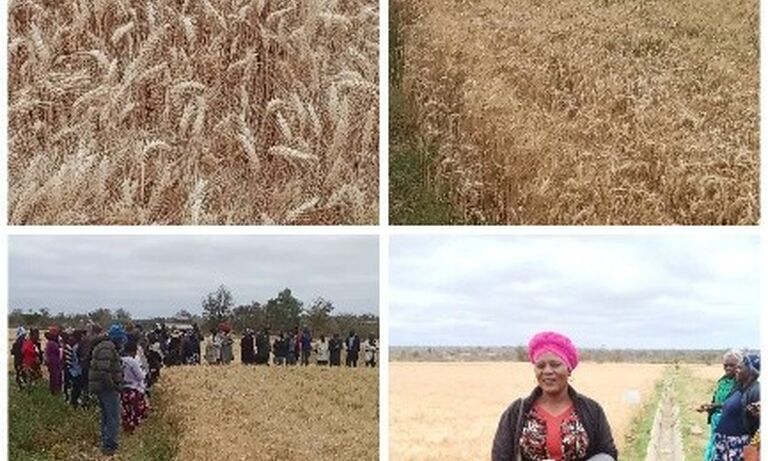
Wheat self‑sufficiency —Mawodza Irrigation Scheme
Youth empowerment — Vocational Skills Programme
By: Councillor Yeukai Paradza
Comments
Related Drivers Of Change