Tanzania: Voices that lead stories that transform

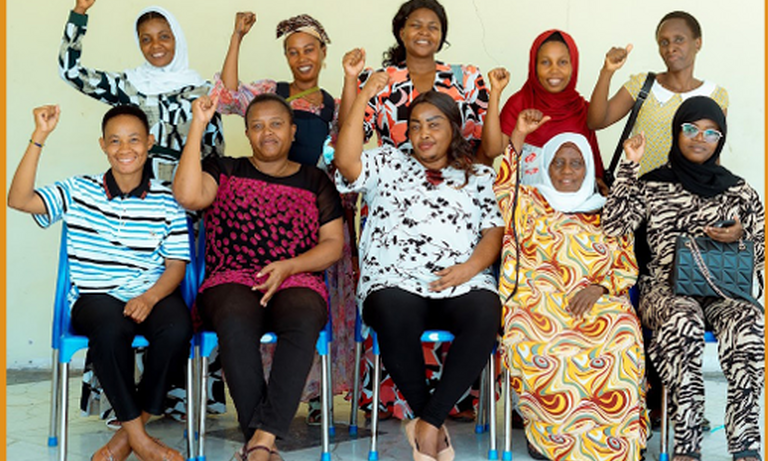
A story of how women, girls and men across Tanzania are mobilising through TGNP’s transformative feminist movement-building to shift narratives, expand leadership opportunities and create gender-responsive political spaces.
Tanzania Gender Networking Programme (TGNP) was founded in 1993 as a feminist activist organization driven by women’s rights leaders committed to justice and equality. Over the years, TGNP has expanded its reach across 24 regions, 72 district councils and 98 wards in both Mainland Tanzania and Zanzibar. Its work is grounded in Transformative Feminism an approach aimed at dismantling all forms of discrimination affecting women and marginalized groups.
Before TGNP interventions, women’s participation in leadership, especially in Dar es Salaam, Pwani, Lindi and Mtwara was restricted by religious norms, patriarchal systems and gender stereotypes. Despite affirmative action, women remained underrepresented at political and community leadership levels.
Change began through a series of coordinated strategies. TGNP implemented the Intensive Movement Building Cycle (IMBC), establishing Grassroots Gender Transformative Networks (GGTNs) that mobilized communities to analyze the root causes of inequality. Women aspiring for the 2024 and 2025 elections were paired with mentors and supported through coaching, capacity building and safe spaces. TGNP also convened storytelling sessions that brought together women leaders and their spouses to normalize supportive relationships in leadership journeys.
To influence public discourse, TGNP used community and mainstream media to raise awareness and conducted dialogues on care economy roles to ensure both men and women understood their responsibilities and rights. Local government authorities, political parties, community radios, male champions and parliamentarians were engaged to advocate for gender-responsive electoral bills, institutional policies and leadership opportunities.
The impact is visible at both local and national levels. More women identified political parties, took nomination forms, campaigned and secured leadership roles including those with disabilities. Girls began to see leadership as an attainable dream. Male champions played key roles in shifting community beliefs, leading to reduced gender-based violence and more supportive family relationships.
Nationally, TGNP contributed to gender-sensitive electoral reforms and evidence-based advocacy, strengthening the foundation for Vision 2050. Political parties committed to developing gender policies, and data-driven analyses highlighted gaps in women’s representation in public offices.
Sustainability is ensured through continuous mentorship, documentation of Herstories, safe spaces for reflection, and a monitoring system anchored in results-based management. TGNP supports local actions to feed into national advocacy, ensuring long-term integration of gender equality into policies, budgets, and governance structures.
Quotes
Amina Shamte – GGTN member, Mtwara, At first, women didn't have the courage to lead... we grew up believing a woman couldn't lead.
Hon. Josephine Genzabuke – MP, Kigoma, If we want many women to become leaders, we need an empowering education system and capacity building.
Comments
Related Drivers Of Change