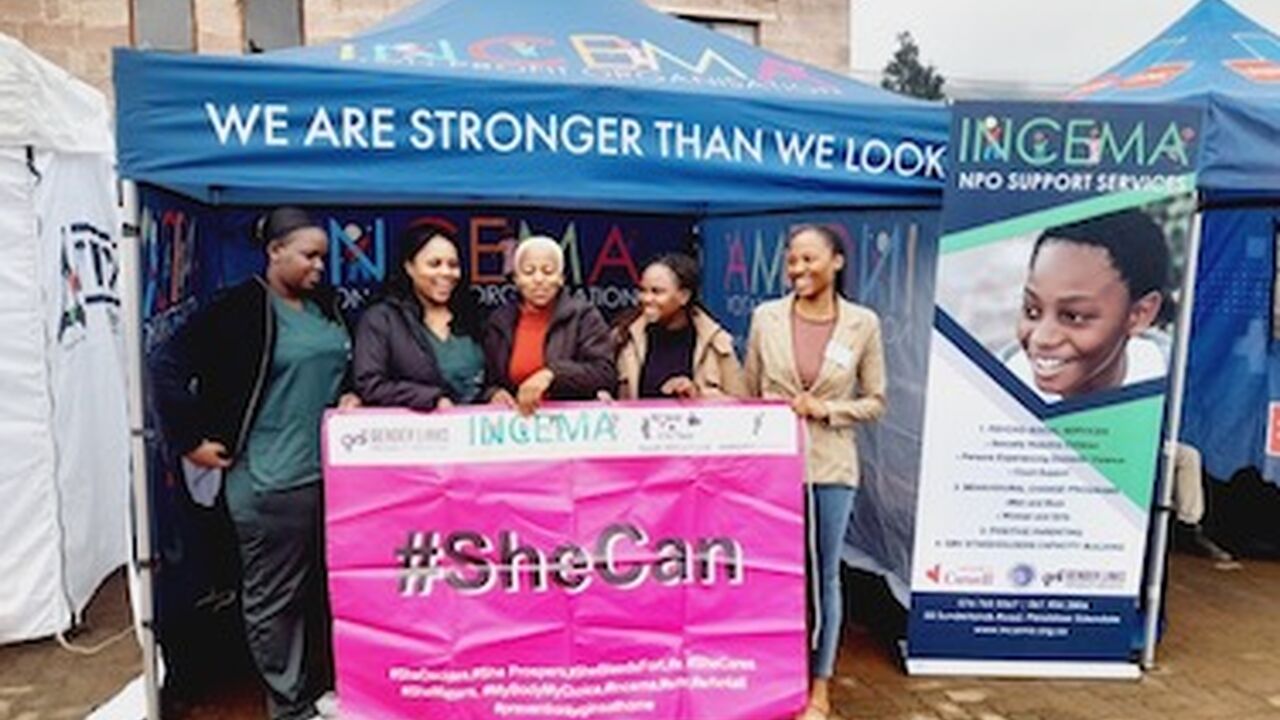
Incema, a Voice and Choice Southern Africa Fund (VCSAF) grantee based in the KwaZulu-Natal province of South Africa, is expanding its initiatives to tackle broader social challenges, particularly emphasising Sexual Reproductive Health and Rights (SRHR) and Gender-Based Violence (GBV). The organisation aims to enhance its outreach to vulnerable groups such as women, children, and youth while establishing partnerships with diverse stakeholders to increase its programs' scale and effectiveness. Recent projects like the SRHR initiative, in collaboration with the Human Sciences Research Council (HSRC), focus on educating young people in rural settings, specifically within schools, to address early misconceptions surrounding SRHR and promote informed decision-making. Incema’s works also involve the GBV Hotspots Program, which provides essential emergency services to survivors, and the "I Am a Man and I" campaign, encouraging men’s active participation against GBV. This multi-faceted approach is part of Incema's strategy to facilitate long-term impact by confronting the root causes of SRHR and GBV. The organisation advocates and collaborates with government bodies and local communities to amplify its efforts. These initiatives signify a positive and expected development in Incema’s commitment to fostering gender equality and healthier communities.
Key changes at a community or national LevelIncema has broadened its focus to tackle broader social challenges, particularly enhancing its initiatives in SRHR and GBV for vulnerable groups like women, children, and youth. This shift was made possible through stronger collaborations with a diverse range of stakeholders, allowing Incema to implement innovative programs that increase the scale and effectiveness of its interventions. For example, the “I Am a Man and I” campaign and the SRHR outreach program in schools highlight the organisation’s commitment to education and community involvement in rural South Africa. This approach aligns with national policies to improve access to SRHR resources and promote gender equality, reinforcing Incema’s leadership in advocacy for sexual and reproductive health and GBV prevention.The expanded focus on youth through the SRHR project in schools is particularly significant. By reaching young people in rural areas, Incema addresses critical issues at their roots, tackling poor sexual and reproductive health outcomes early before harmful practices and misconceptions take hold. Educating students about SRHR empowers them to make informed decisions and helps break misinformation, cultural taboos, and exclusion cycles.This shift also reflects Incema’s broader strategy of creating long-term, sustainable impact by engaging younger populations. By equipping young people with the knowledge and tools to navigate sexual health and relationships responsibly, Incema can prevent future gender-based violence, promote gender equality, and foster healthier communities. This change strengthens the organisation’s holistic approach to addressing SRHR and GBV at multiple stages of life.
Grantee/VCSAF ContributionSeveral initiatives funded by VCSAF highlight Incema’s efforts to address SRHR and GBV challenges in schools and surrounding communities. These initiatives aim to educate the community and drive action towards eliminating GBV.
The Sexual Reproductive Health and Rights Project: Currently, Incema is implementing an impactful SRHR project in partnership with the Human Sciences Research Council (HSRC), focusing on three schools: Ingqwangele High School, Siyanda High School, and Sanzwili Primary School. This initiative highlights the organisation’s commitment to improving sexual and reproductive health outcomes for young people, an area critically under-addressed in many communities. By partnering with these educational institutions, Incema has created a vital platform for reaching students often excluded from meaningful conversations surrounding SRHR due to cultural taboos, misinformation, or lack of access to reliable resources.
The GBV Hotspots Program: The GBV Hotspots Program is multifaceted, encompassing several critical components for effectively addressing the issue. It focuses on providing emergency services to survivors of violence, including access to medical care, legal assistance, and psychosocial support. Survivors often face geographic, financial, or societal barriers to accessing these essential services. Incema works closely with local healthcare providers, legal entities, and mental health professionals to ensure survivors receive the help they need promptly and confidentially.
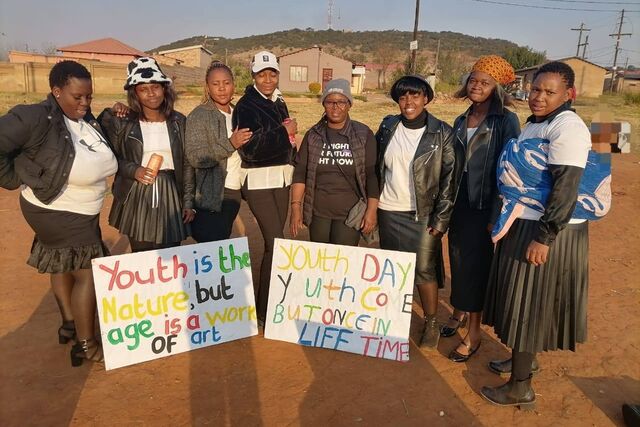
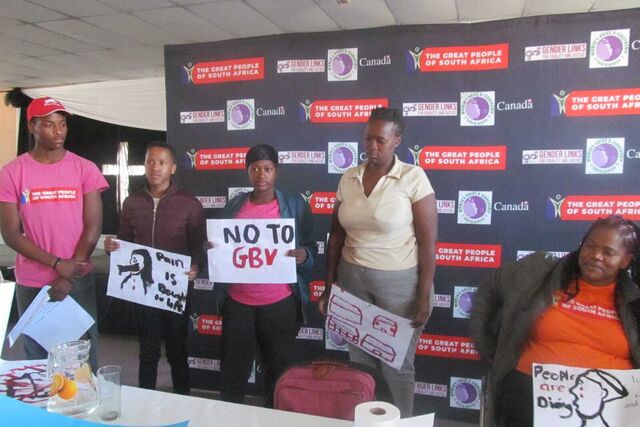
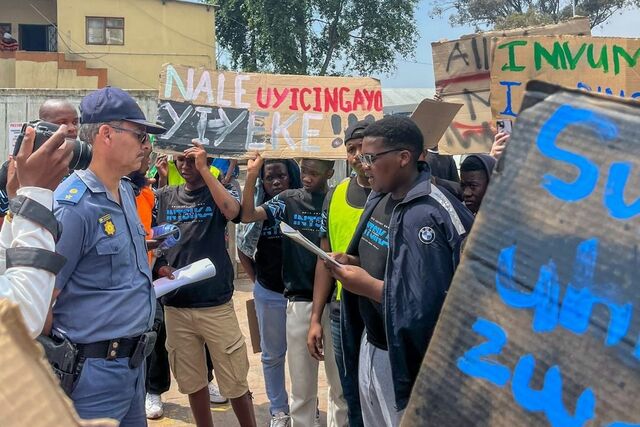
Past Projects Addressing Gender-Based Violence: Another important initiative in which Incema plays a key role is the 16 Days of Activism Against Gender-Based Violence. This international campaign, from November 25 to December 10 each year, seeks to raise awareness of GBV and galvanise action towards its elimination. Incema uses this platform to conduct various events aimed at educating the public on GBV, providing resources to survivors, and advocating for policy changes that address the root causes of violence.
I Am a Man, and I… Campaign: The “I Am a Man and I…” campaign has been one of the standout elements of the 16 Days of Activism. Recognising that men and boys must play an active role in ending GBV, this campaign challenges traditional notions of masculinity. It encourages men to reflect on their role in preventing violence. The campaign involves workshops, social media engagement, and community discussions, where men are encouraged to take responsibility for their behaviour and become allies in the fight for gender equality. By targeting men directly, Incema is addressing one of the critical drivers of GBV—harmful masculinities that normalise or excuse violent behaviour.
Collaborations and Community Engagement: Beyond its work in SRHR and GBV, Incema NPO has a history of collaborating with various stakeholders on initiatives to improve community well-being. For instance, Incema has partnered with local government bodies such as the Department of Health to ensure its projects align with national strategies and policies. These partnerships have enhanced the reach of Incema’s work and allowed the organisation to tap into government resources to support its various initiatives.
Women’s Economic Empowerment: Incema’s collaborations extend to projects focusing on women’s economic empowerment, an essential strategy for reducing GBV. By providing women, particularly survivors of GBV, with access to vocational training, entrepreneurship workshops, and financial literacy programs, Incema helps women achieve financial independence. This empowerment enables survivors to break free from abusive relationships, which are often perpetuated by economic dependency. Through these programs, Incema fosters resilience and self-reliance among women, creating opportunities for them to thrive economically and socially.
Next StepsIn the future, Incema plans to continue its engagement with schools to ensure sustained awareness and education around SRHR and GBV. By leveraging data and feedback from surveys conducted at participating schools, Incema aims to refine its programs and address any emerging needs among the youth. Furthermore, fostering partnerships with local government and health entities will remain a priority. These collaborations will support current initiatives and help establish a foundation for future outreach efforts, ultimately contributing to long-term, transformative change within communities in rural settings.