South Africa : The Change


A Journey of Transformation in KwaZulu-Natal
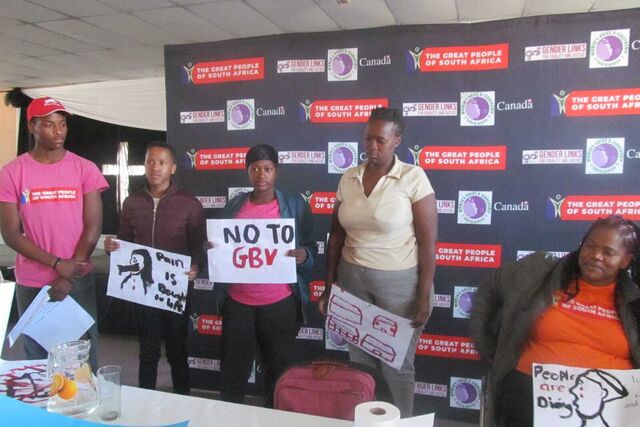
In the heart of KwaZulu-Natal, a quiet revolution is taking place—one conversation at a time. For years, gender-based violence (GBV) has cast a long shadow over communities, leaving scars that run deep. Many young men grew up believing GBV was a “women’s issue,” something distant from their own lives. But through a bold initiative led by Gender Links and facilitated by dialogue leaders like Nonhlanhla Mthethwa, that narrative is changing.
Nonhlanhla, a dedicated facilitator, has spent months working with soccer teams and youth groups, creating spaces where boys can speak openly about gender, power, and responsibility. Her sessions are not lectures—they are dialogues rooted in empathy and real-life experiences. This approach has sparked a wave of transformation among participants, turning passive bystanders into active advocates for equality and justice.
From Silence to Advocacy
One of the most powerful stories to emerge from this programme is that of Qhawe Mhlongo, a teenage soccer player. When he first joined the training, Qhawe was hesitant, unsure of his voice and role. “Before the training, I was scared of speaking about what was happening in my life… now I am the one who is supposed to protect others and report any kind of bullying happening,” he says.
For Qhawe, the sessions were more than lessons—they were lifelines. He discovered that GBV is not just about women; it affects everyone. He learned that men can be victims, but more importantly, they can be allies. Today, Qhawe speaks out against bullying and violence in his school and soccer community. His confidence has grown, and with it, his sense of responsibility.
The ripple effect is evident. Coaches, too, have noticed the change. A local soccer coach shared: “The boy now speaks more, shares his thoughts, and even explains what we’ve learned to the group. His confidence is growing.” These shifts are not isolated—they represent a broader cultural change within teams and communities.
How Did This Change Happen?
The programme’s success lies in its design: a thoughtful training manual built on dialogue, empathy, and practical application. Recognizing that sports are powerful entry points for young men, Gender Links partnered with soccer clubs to deliver sessions that blend leadership, emotional intelligence, and digital activism.
Modules cover communication, social justice, and emotional well-being, aiming not just to inform but to transform. By embedding these lessons in familiar spaces—soccer fields and team meetings—the programme ensures accessibility and relevance. Young men learn to challenge harmful norms, embrace equality, and become champions of change.
Nonhlanhla reflects on the impact: “These young men are not just listening, they’re applying the teachings in their real lives, and becoming messengers of change in their communities.”
Evidence of Impact
The transformation is visible and measurable. Participants are speaking up, forming peer advocacy groups, and influencing their peers. Coaches report improved team dynamics and stronger leadership among players. Videos and testimonials collected during the programme showcase these changes vividly, reinforcing the power of dialogue-driven interventions.
Sustainability and Next Steps
Change is not a one-time event—it’s a journey. To sustain this momentum, Gender Links plans to expand training to new areas, working closely with soccer teams and youth groups. Interns will support young leaders like Qhawe in forming advocacy networks at schools and tournaments. Coaches will receive ongoing mentorship to embed these values into team culture.
The programme is also evolving. Modules are reviewed quarterly to stay relevant, and a feedback system is being developed to ensure participants’ voices shape future content. This human-centered approach keeps the initiative responsive and impactful.
Why This Matters
Gender-based violence is not just a statistic—it’s a lived reality for countless individuals. By engaging young men as allies, this programme tackles the root causes of violence and builds a foundation for lasting change. It proves that when communities invest in dialogue, empathy, and leadership, transformation is possible.
By: Nonhlanhla Mthethwa.
Comments
Related Stories Of Change