Cameroon: Knowledge Could Have Changed Everything

Project Second Chance Education is shifting harmful norms in Cameroon by helping adolescent girls understand their rights, stay in school, and access Sexual and Reproductive Health and Rights information. The story highlights how knowledge, community engagement, and advocacy are transforming attitudes and opening pathways for young mothers.
In Cameroon, adolescent pregnancy remains a major cause of school dropout, especially in conflict-affected regions such as the North West. Although there is a Ministerial Order allowing pregnant girls and young mothers to continue education, real implementation is weak. Many girls face stigma, silence, and exclusion, and they receive little accurate Sexual and Reproductive Health and Rights (SRHR) information. Lifein Association, a women-led organisation in Bamenda, launched Project Second Chance Education to address this gap. The project raises awareness of girls’ educational rights, promotes comprehensive SRHR education, and challenges harmful norms that blame girls for their pregnancies.
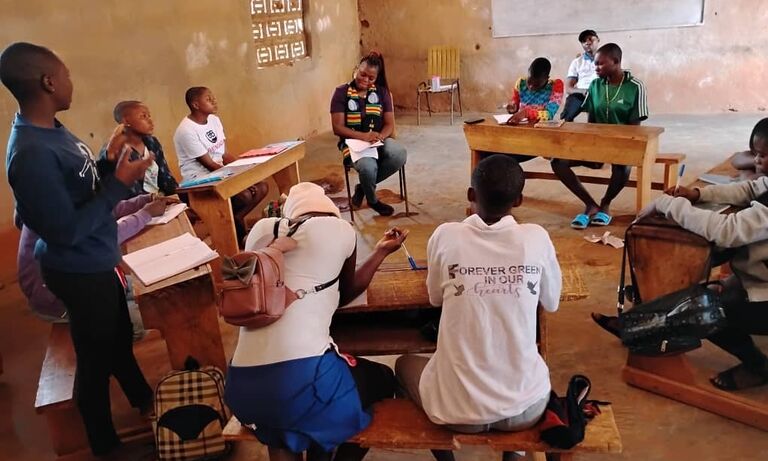
The project used storytelling, social media advocacy, and community dialogues to shift the narrative from punishment to rights and support. A week-long online campaign highlighted real experiences of adolescent mothers. Community discussions created safe spaces where girls, parents, and caregivers could speak openly about stigma, unsafe abortions, and school exclusion. As the project progressed, families began supporting reintegration, and girls who previously lacked awareness of their rights gained confidence to return to school. Educators also began questioning discriminatory practices.
Now in its second year, Project Second Chance Education has contributed to a gradual but meaningful shift in attitudes. The project reframes adolescent pregnancy as a social issue rather than individual failure. Communities increasingly recognise the importance of psychosocial support, accurate SRHR information, and inclusive schooling. The initiative strengthens the broader movement for gender equality and education rights in Cameroon and highlights the gap between policies and their implementation.
Sustaining the change involves deepening community ownership. Parents, caregivers, and adolescent girls are being encouraged to act as peer advocates. Lifein Association is pushing for training of teachers, counsellors, and administrators to implement policies fairly. Expansion into crisis‑affected areas is planned, with more community dialogues and digital advocacy. Evidence gathered during Phase One is shaping policy advocacy, building partnerships, and supporting long‑term systemic change.
Quotes:
Nfor Yvette- It was always my fault, my shame and my problems to deal with.
Hawaou Ousman - My mum was never open for discussion, when I got pregnant, she was ready to talk.
Nyong Odette - She has always been very sexually active, and I just had to let her be.