Zimbabwe: Youth uplifted through community sports in Bulawayo

In the high‑density communities of Bulawayo, where unemployment and shrinking opportunities weigh heavily on young people, one local leader stepped forward with a vision grounded in hope, action, and community spirit. Councillor Siboniso Moyo, elected in May 2024 as a Proportional Representation Councillor, quickly recognised a deepening crisis among youth: idleness, growing frustration, and rising vulnerability to alcohol and drug abuse. These were not isolated incidents—they signalled an urgent need for practical, accessible solutions that restored dignity, pride, and purpose.
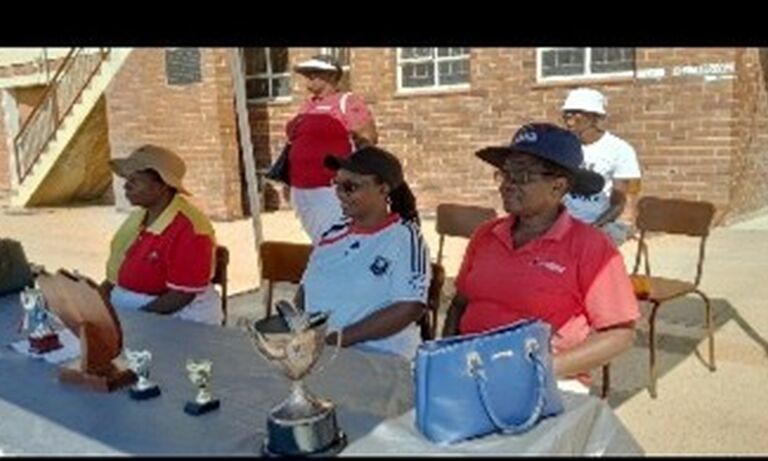
Instead of waiting for external funding or large programmes, Councillor Moyo harnessed the power of community mobilisation. With minimal resources and unwavering determination, she initiated a grassroots sports programme that would soon transform the lives of many young people in her constituency. The initiative brought together netball, volleyball, soccer, tug of war, and basketball—sports chosen not only for their accessibility but for their potential to unite, motivate, and inspire.
A pivotal partnership with the local school unlocked access to training grounds, laying the foundation for a sustainable programme. The sports activities were open to all genders and welcomed youth aged 15 and above, ensuring inclusivity and wide participation. What began as a small initiative driven by a concerned councillor soon grew into a thriving community movement.
The Transformation
The introduction of structured sports dramatically shifted the social atmosphere in Bulawayo’s communities. Youth who previously spent long hours loitering or engaging in risky behaviours now had a safe, constructive space to channel their energy. Training sessions quickly grew in attendance. Teams formed strong bonds through shared discipline, teamwork, and dreams of excelling beyond their neighbourhood boundaries.
Parents noticed immediate behavioural changes: improved discipline, renewed motivation, and restored confidence among their children. Community elders and leaders reported fewer cases of antisocial behaviour, reduced substance abuse, and overall improvement in cohesion and unity. The programme achieved more than social rehabilitation—it opened pathways to opportunity. A number of talented players began receiving invitations to regional competitions, where they earned stipends and gained exposure to professional sporting networks. This newfound potential energised participants and ignited ambitions that had previously felt out of reach. Sport became not just an activity, but a lifeline—a tool for healing, empowerment, and aspiration.
How the Change Happened
At the heart of this transformation was Councillor Moyo’s belief that development begins with people, and that communities possess untapped capacity to drive their own progress. Seeing the growing desperation among young people, she acted without delay. She used her personal funds and mobilised local residents to contribute what they could—time, energy, equipment, or encouragement.
The sports initiative was intentionally designed to do more than fight boredom. It aimed to rebuild community pride, foster leadership, and identify talent. By creating teams across multiple sports codes, Councillor Moyo ensured that every young person—regardless of ability or preference—had a place where they could belong. Her leadership illuminated a simple truth: when people are given a platform to participate and contribute, they rise to the occasion. Parents volunteered at events. Local leaders offered support. The school opened its facilities. Piece by piece, a sustainable community‑owned initiative was born.
Sustaining and Scaling the Change
Sustainability has been central to the programme’s design. To ensure its longevity, community structures are now being formalised. Committees of youth representatives, parents, and local leaders manage activities such as scheduling, equipment maintenance, and organising matches. This helps embed the initiative into the community fabric rather than tying it to one leader.
Plans are underway to engage local businesses, NGOs, and government departments for sponsorships in the form of uniforms, equipment, and transport. Registration with regional sports associations will further enable teams to compete in larger tournaments, deepening exposure and unlocking professional pathways.
The programme is also positioning itself as a talent‑nurturing platform, with mentorship for promising athletes seeking scholarships or semi‑professional opportunities. Through these efforts, the initiative aims to not only sustain but expand, empowering more young people and strengthening Bulawayo’s social cohesion for years to come.
Evidence of Change
The programme’s impact is visible across the community:
- Consistent participation in training and matches across all sport codes.
- Behavioural improvement among youth, as observed by parents, teachers, and community leaders.
- Reduced substance abuse and antisocial behaviour, confirmed by local stakeholders.
- Emerging talent, with some players being invited to regional tournaments and earning small stipends.
- Community pride and ownership, reflected in volunteer support, attendance at games, and shared responsibility for facilities and equipment.
These outcomes confirm the depth of change sparked by a simple yet powerful idea: that sport can restore hope where despair once lived, and that community‑driven leadership can shift the trajectory of young people’s lives.
Quotes from the Community
Ronald Ndimande:
“Before the soccer team was formed, we had nowhere to channel our energy and time. The team gave me an opportunity to use my passion and spend my time effectively.”
Shumba:
“The councillor’s initiative has brought visible transformation. Clean‑up campaigns revived community pride, and the donated bins have drastically reduced littering in public spaces.”
Dube:
“With the help of Councillor Moyo, we now have someone to advocate for us in local governance issues. We feel heard and proportionally represented in the city.”
By: Siboniso Moyo
Comments
Related Drivers Of Change