Zimbabwe: Women making strides in economic empowerment around the city of Bulawayo

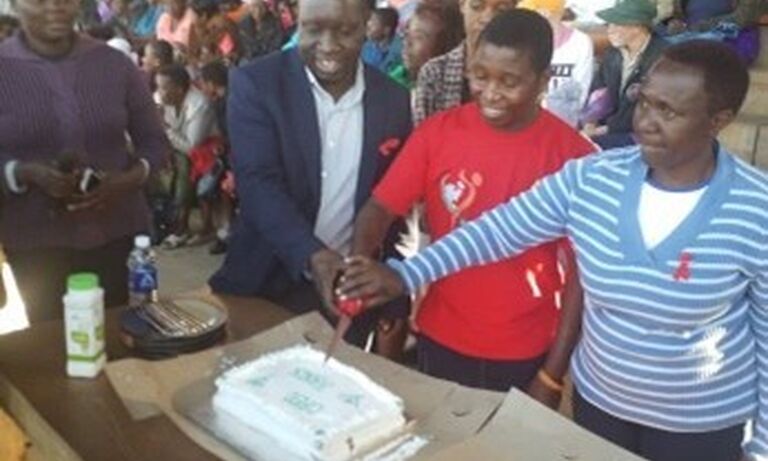
Growing up in Bulawayo, Councillor Agnes Munsaka learned early on that dignity begins with being seen, valued, and supported. As one of only a handful of female councillors among the 38 who serve the City of Bulawayo, she carries a deep commitment to the elderly, persons with disabilities, women, and youth, groups often overlooked in times of crisis and structural poverty. Her work is rooted in a belief that community leadership must reach those most marginalised, particularly those living in care homes and orphanages where hunger, isolation, and chronic underfunding remain persistent challenges.
Agnes represents Ward 5 as a Proportional Representative Councillor, but her humanitarian footprint extends far beyond her designated constituency. Her journey began with a simple but profound observation: care homes across Bulawayo were operating with severe shortages of food, clothing, toiletries, and basic medical supplies. Many residents, elderly people, orphans, people with disabilities, and abandoned children, were barely surviving on inconsistent donations from well‑wishers. With no structured support system and limited social protection, these homes repeatedly fell into cycles of hunger, malnutrition, and dire living conditions.
In response, Agnes initiated a city‑wide needs assessment across care homes, primary schools, and communities such as Ward 7 in Makokoba. The findings were sobering. Many institutions lacked even the most basic essentials. What started as an observation quickly became a committed initiative: mobilising resources, building networks of support, and restoring dignity for the most vulnerable citizens of Bulawayo.
Creating Change Through Community Action
From these humble beginnings, a powerful ripple effect has emerged. Through persistent community engagement, door‑to‑door campaigns, and appeals to local businesses and well‑wishers, Agnes has succeeded in reaching hundreds of people across the city.
- 200 orphans at Rio in Waterford have received groceries and essential supplies.
- In Ward 7 Makokoba, 30 beneficiaries—including persons with disabilities, youths, and elderly women—received mealie-meal.
- Across Bulawayo, more than 10 persons with disabilities, 50 elderly women, and 25 youths have benefitted from ongoing donations.
- Rangemore Primary School received 10 bags of mealie‑meal, strengthening its feeding scheme and improving learners’ nutrition.
- An orphanage in Pumula South, home to around 20 persons with disabilities, received 80 bags of mealie‑meal and USD 150 for urgent needs.
These interventions have sparked meaningful change. Residents who once struggled through hunger now have regular access to food. Those who lacked clothing or hygiene supplies now live with better comfort and dignity. Schools and orphanages that were once overwhelmed by need now have some stability. Health and nutrition have improved, and care homes report a visible difference in wellbeing.
How Change Happened
This transformation did not happen by chance. It was driven by consistency, empathy, and deliberate action. Agnes created a direct link between communities, businesspeople, local churches, and care homes. She leveraged her leadership position to raise awareness about the unmet needs of vulnerable groups—needs that had previously gone unnoticed or ignored.
Regular visits, continued capacity‑building, transparent reporting, and strong relationships with both donors and beneficiaries have strengthened trust. Community members who once felt no responsibility to support care homes now understand the critical role they play. This shift in mindset has been one of the biggest achievements of the initiative.
Captured through photographs, testimonials, videos, and documented statistics, the evidence of change is both emotional and practical. Updated records from the care homes show improved access to food and essentials, and monthly supplies now reach institutions that once struggled alone.
Sustaining and Scaling Up the Impact
Agnes envisions long‑term sustainability beyond donations. Her next goal is to partner with NGOs and expand collaboration with local businesses to secure more consistent support. She is advocating for income‑generating projects such as skills training, small businesses, vegetable gardens, and craft initiatives within care homes. This shift will reduce dependency on external support and create a more resilient and empowering model for elderly people, persons with disabilities, and youth.
Transparency remains central to this work. Clear reporting on who receives support, how donations are distributed, and what criteria guide selection ensures that trust is maintained. Regular updates also keep donors engaged and encourage others to step forward.
Voices of Change
The donation will go a long way in improving the wellbeing of mental health patients at the hospital, speeding up their recovery — Pastor Marara
On behalf of the Jairos Jiri staff, we thank you for these groceries for the blind children. Their excitement said it all—they survive entirely on donations — Mr. Goremucheche, Jairos Jiri Association
I was hoping to speak to you and thank you in person. I would like us to build a long‑term relationship. I was going to suggest that you become our patron — Mrs. Oripa Mubika
These voices affirm the profound human impact of Agnes’ work—an impact felt not just in improved living conditions, but in restored dignity, strengthened hope, and renewed community solidarity.
By: Agnes Munsaka
Comments
Related Drivers Of Change