
Zimbabwe: Village tourism driven by women and youths

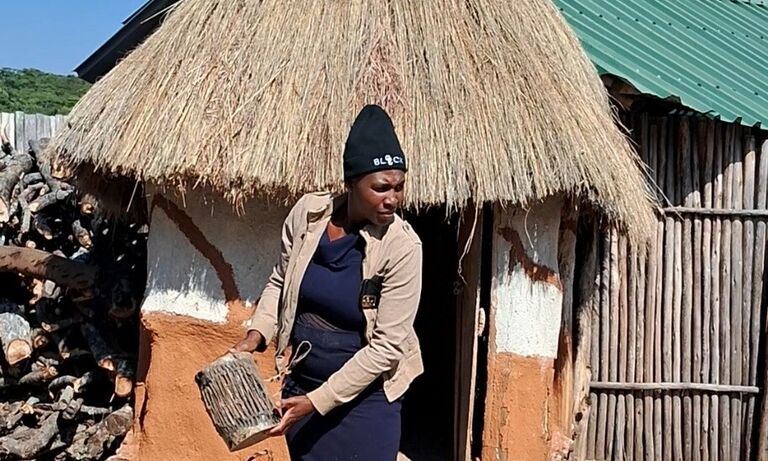
My name is Margaret Nyahoda, councillor at Nyanga Rural District Council since 2013, and this is the story of how village tourism has taken root in our community.
In 2014, I was selected as one of 25 female councillors to participate in an international course, Capacitating Women in Local Government, which took me to Kenya and Sweden. While in Sweden, I was struck by how vibrant and successful village tourism was, and how it directly benefitted local communities. I returned home inspired and determined to bring this vision to Nyanga. For years I tried to introduce the idea to council, but uptake was slow—until 2025, when a historic opportunity finally opened the door.
This year, Nyanga Rural District Council twinned with Musanze Council in Rwanda, and tourism emerged as a key area of shared interest. With this momentum, I drafted a motion asking council to recognise village tourism as a policy priority. This time, the idea gained support. It aligned perfectly with our district’s potential: Nyanga is rich with cultural and natural attractions—rock paintings in Nyadowa, pit houses scattered across all wards, traditional raised grainaries, polished cow‑dung floors, and a network of ancient caves. Yet for decades, these treasures had not translated into local economic benefit. Tourism was concentrated around hotels, lodges and game parks, leaving rural communities untouched by its advantages.
The objectives of the initiative were clear: improve livelihoods, strengthen community networks, reduce social problems such as drug and substance abuse, early marriages and gender‑based violence, and preserve Nyanga’s unique heritage. By centring women and youth, the project sought to create inclusive, sustainable growth.
A New Model of Tourism Takes Shape
The change that followed has been both powerful and deeply felt. Today, women and youths across Nyanga are being trained to meet minimum hospitality standards. In every one of the district’s 31 wards, three homesteads have been identified to serve as “village hotels”—unique, authentic spaces where tourists can experience real Zimbabwean rural life.
Women have become the custodians of housekeeping and hospitality, while young people are emerging as trained tour guides. Elders, with their vast indigenous knowledge, play an important role in storytelling, rituals and cultural interpretation. This multi‑generational approach has turned village tourism into a living, breathing ecosystem of shared learning and economic benefit.
The social impact has been profound. As women begin contributing to household income, gender‑based violence has dropped. Young people, now engaged in productive and rewarding activities, have less time and interest in drugs and substance abuse. Practices once dismissed as “backward”—traditional rituals, grainaries, hozi, and traditional foods—are now celebrated as valuable cultural assets.
Tourists who want to experience life beyond hotels and safari lodges are gaining meaningful encounters with authentic Zimbabwean village culture. This has revived pride in local traditions and strengthened community identity.
How the Transformation Happened
Four key factors drove this change.
First, my own passion for gender‑responsive development shaped my commitment to championing the idea. Second, the chairman of Nyanga Rural District Council is equally passionate about tourism, making political buy‑in much easier. Third, the Memorandum of Understanding with Musanze District of Rwanda positioned village tourism as an area of active cooperation. Fourth, Zimbabwe’s recent recognition as one of the world’s top tourist destinations created urgency to expand the tourism portfolio to include rural experiences.
There is ample evidence that this transformation is real and ongoing:
- The Memorandum of Understanding between Nyanga and Musanze is signed and active.
- A motion, tabled and debated by both the Gender Committee and the Environment, Tourism and SMEs Committee, has been formally adopted.
- A council resolution now officially recognises and promotes village tourism.
- Communities across the district are undergoing training in housekeeping, African cuisine, tour guiding and hospitality standards.
- Selected homesteads are upgrading their facilities to meet minimum tourism requirements.
Where tourism was once limited to a small fraction of Nyanga, it is now expanding into all wards—with local people at the centre.
Sustaining and Scaling Up the Change
The future of village tourism in Nyanga is promising. International recognition—such as Zimbabwe being named the world’s best country to visit in 2025 by Forbes—means the district is well‑positioned to benefit from increased tourist arrivals. But sustaining this momentum requires deliberate effort.
Key sustainability actions include ensuring that tourists respect local cultures, enforcing eco‑friendly operations, maintaining fair and mutually beneficial pricing, establishing clear minimum service standards, and safeguarding political and social stability to keep the district attractive to visitors.
Scaling up the initiative will involve increasing participating families, strengthening partnerships with the Zimbabwe Tourism Authority and travel platforms, integrating village tourism into mainstream tourism packages, learning from successful models in Zimbabwe and Rwanda, and improving road networks to make rural sites more accessible. Digital booking platforms will also ensure easy access and memorable visitor experiences.
Evidence of Progress
Virtual meetings with Rwanda have already taken place, and Nyanga’s Council Chair has visited Rwanda to further strengthen the partnership. Homesteads are actively preparing traditional dishes—sadza nematumbu, madora, derere—and refining cultural experiences for visitors. Community training sessions are underway, and the once‑silent cultural sites of Nyanga are slowly becoming hubs of activity.
Village tourism is no longer an idea. It is a growing reality that is reshaping livelihoods, strengthening cultural pride, and placing women and youth at the heart of local development.
By: Margaret Nyahoda
Comments
Related Drivers Of Change