Zimbabwe: Supporting Others to Rise

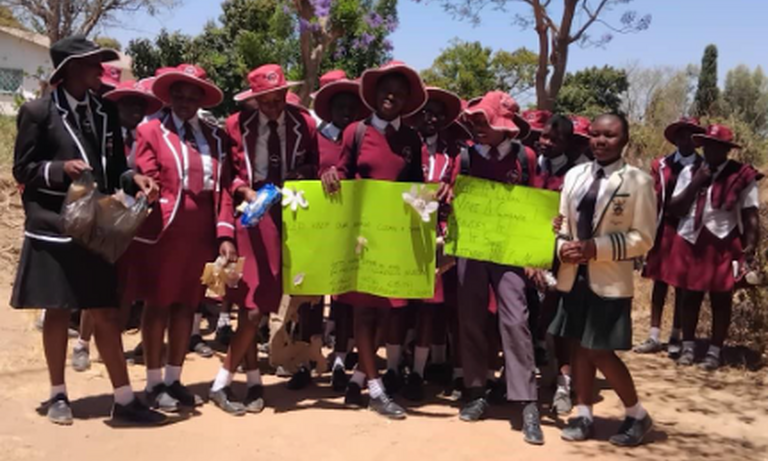
In communities across Zimbabwe, many children grow up surrounded by silent battles abuse that goes unreported, early marriage disguised as culture, children dropping out of school due to poverty, and a widespread lack of awareness about children’s rights. Before the intervention of Youth Advocates for Children’s Rights (YARC), these realities were seen as normal. Children suffered quietly, with limited access to justice, support, or protection. Families and community leaders often did not know where to turn, and harmful practices persisted because no one had the tools or confidence to challenge them.
YARC Youth Advocates for Children’s Rights was formed to break this cycle. A youth led, community based organization grounded in rights, advocacy, and protection, YARC stepped into this challenging landscape determined to shift mindsets and create safer environments for every child. Working directly with communities, schools, and child protection committees, the organization set out to empower both children and adults with knowledge, confidence, and the support they needed to protect young people.
Before YARC’s involvement, abuse, neglect, child labor, and early marriage were widely underreported. Many parents lacked awareness of children’s rights and the harmful impact of practices that had been normalized over generations. Girls were particularly vulnerable, often pushed into early marriages or forced out of school due to poverty. Children experiencing trauma had no safe spaces, and cases were rarely addressed by authorities or community structures.
Most significantly, there were no functioning systems to identify, report, or respond to cases of abuse leaving children isolated and unprotected. YARC’s work began with communitywide awareness campaigns and school outreach programs. Their aim was simple yet transformative:
to teach communities what children’s rights are, how to protect them, and how to report violations safely. Through training sessions, school visits, and youth led advocacy, YARC introduced practical tools that empowered communities to recognize abuse and take action. Teachers, caregivers, and local leaders learned how to identify signs of neglect and emotional or physical violence.
Community child protection committees were established, each equipped to respond quickly and support affected children. YARC also provided legal aid and counselling, helping survivors access justice and begin processes of healing. For vulnerable families, the organization offered educational support school fees, supplies, uniforms ensuring that poverty did not force children, especially girls, out of school. The changes that followed were profound. Awareness increased significantly among community members, who gained a new understanding of children’s rights and the importance of reporting violations.
Parents, who once accepted harmful behaviors as tradition, began questioning and challenging them. Teachers reported improved school attendance, with many children returning to class particularly girls who had previously dropped out. Crucially, cases of child abuse and neglect started being reported. While the increase in reporting signaled the depth of existing problems, it also showed a new culture of openness and trust. Children no longer had to suffer in silence; they knew where to go and who to speak to, and communities began responding with urgency and care.
Child protection committees became active first responders, providing immediate local support and ensuring accountability. In schools, child rights clubs emerged led by children empowered through YARC’s trainings, giving young people a collective voice. YARC’s work also addressed emerging challenges such as drug and substance abuse among youth. In Beatrice community, YARC’s campaigns helped reduce these behaviors, creating safer and more supportive environments for children to learn and grow. To ensure lasting change, YARC prioritized local ownership. By training teachers, leaders, and community committees, they created a network capable of continuing the work independently.
Partnerships with schools and government structures helped embed child protection into formal systems, making it part of everyday practice rather than a temporary project. YARC continues documenting lessons and success stories to share with other communities, supporting scaleup efforts and attracting more partners, including national and international NGOs. Through ongoing monitoring, evaluation, and youth-led advocacy, the organization ensures that its work remains relevant, impactful, and sustainable. Evidence from monitoring reports confirms measurable improvements: more reporting, reduced harmful practices, stronger community involvement, and greatly improved school participation. The voices of children themselves say it best
Quotes
“My time, my right, my future.” Tanaka
“The child am I. The future I lead.” Takunda
“Education is my weapon against poverty.” Simbarashe
Kudakwashe Chiwanza, Zimbabwe
Comments
Related Drivers Of Change