Zimbabwe: Fighting stereotypes, promoting equality, and inspiring hope for the future

The girl child was particularly affected, often overlooked in employment, leadership, and male-dominated sports. Meanwhile, boys faced emotional violence through gender shaming when they pursued interests outside traditional roles. These forms of discrimination—subtle yet damaging—motivated me to take action.
I created safe, empowering spaces where young people could discuss equality openly and gain confidence to pursue their interests. Through school visits, leadership engagement, and online platforms—including TikTok (@BreakingBarriers‑MissMachiri), WhatsApp groups, and a YouTube channel—I reached hundreds of youths with messages of empowerment, fairness, and hope.
The Change: A Community Awakens
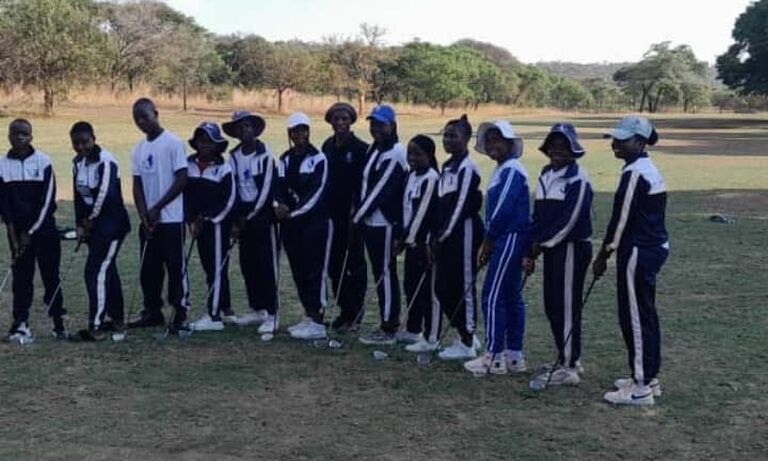
The response was powerful. My advocacy sparked a shift in how young people view themselves and one another. Girls began taking up sporting activities previously dominated by boys—especially golf—participating not for amusement, but with purpose and ambition. Boys started choosing careers and courses they once feared to embrace, unconcerned with stereotypes. Young people began to see each other as equals.
Online platforms created through the movement grew rapidly, becoming spaces where youths shared experiences, expressed their views, and encouraged one another. Some participants were so inspired that they created their own initiatives to continue spreading the message of equality.
In schools, boys began supporting girls in leadership roles, and girls stepped forward without hesitation. Sporting events showed boys joining netball games and girls competing in golf. The girl child began to “stand tall”—not as someone needing permission, but as someone rightfully claiming her space.
For the first time, young people started saying emphatically: “Yes to equality.”
How the Change Happened
Before the movement, the situation was dire. Only 12% of girls participated in sports like golf, and 8% enrolled in courses viewed as “male” or “female” according to stereotypes. Boys avoided activities labelled “feminine” out of fear of ridicule. Leadership opportunities were rarely given to girls.
The Breaking Barriers Movement disrupted this. Through school visits, community engagements, and online campaigns, the message of equality spread quickly. Young people embraced the movement because they recognised themselves in it—they had lived the consequences of gender norms, and they wanted change.
The movement created awareness, sparked dialogue, and inspired action. It provided young people with role models, mentorship, and safe spaces to challenge discrimination. Most importantly, it gave them permission to dream without limits.
Sustaining and Scaling the Change
The momentum created by the movement laid a foundation for long-term transformation. To sustain and scale the change, the following strategies are being pursued:
- Implementing policies and procedures that promote equal opportunities.
- Scaling up youth-focused educational and training programmes.
- Encouraging open communication to ensure that all voices are heard.
- Creating more online platforms dedicated to equality and leadership.
- Building partnerships with schools, youth organisations, and communities.
- Sharing best practices, resources, and mentorship opportunities.
- Implementing inclusive hiring and leadership development initiatives.
- Conducting campaigns that reach more young people with messages of equality.
- Offering support for individuals who have experienced gender shaming or discrimination.
- Providing leadership opportunities—including enabling girls to pursue presidential roles.
- Continuously tracking progress and adapting strategies.
Evidence of Change
The impact of the Breaking Barriers Movement is visible and measurable:
- Significant growth in online engagement across TikTok, WhatsApp, and other platforms.
- Increased participation of girls in sports such as golf.
- More boys confidently choosing paths once viewed as “feminine.”
- Positive feedback from students and youth across schools.
- Creation of new youth-led platforms inspired by the movement.
- Heightened awareness and open discussions about gender equality.
- A growing community of young advocates promoting fairness and inclusion.
Through this movement, young people are not only hearing the message of equality—they are living it. They are challenging stereotypes, uplifting each other, and shaping a future where gender no longer limits potential. The Breaking Barriers Movement stands as a beacon of hope, proving that when young voices rise, an entire generation can transform.
By: Firei Wadzanai Machiri
Comments
Related Drivers Of Change