Zimbabwe: Easing the socio economic burden for a decent living

After eight months of dedicated service, my council colleagues recognised my drive for change and elected me as the Gender Champion for the Municipality of Gwanda. This role strengthened my resolve to advance women’s rights, advocate for gender-responsive budgeting, and ensure that ageing, poverty, and vulnerability are not overlooked in our development plans.
Recognising Forgotten Voices
Throughout my community engagements, one reality became impossible to ignore: the elderly—particularly older women—were living on the margins. Though they hold vast knowledge and wisdom, they are often invisible in policy discussions and excluded from development initiatives. Many struggled with poverty, hunger, poor shelter, lack of mobility aids, and deteriorating living conditions at the Gwanda Old People’s Home.
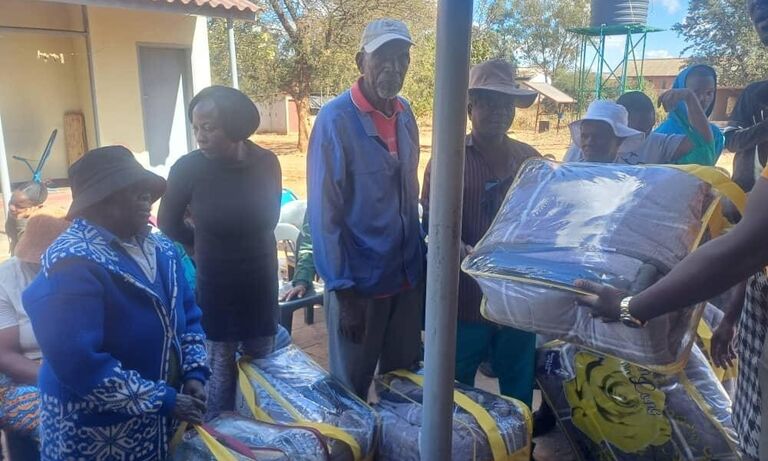
Driven by this urgent need, I began mobilising resources for elderly residents across all Gwanda Urban wards. My efforts focused on securing groceries, clothing, buckets, and specialised items tailored to individuals’ needs. Beyond material aid, I pushed for corporate social responsibility within the local business community, encouraging institutions to take ownership of elder‑care initiatives as part of their social mandate.
At its core, this project aims to improve the quality of life for women, promote social inclusion by mainstreaming ageing issues, and restore dignity and protection for elderly women and other vulnerable groups.
Shifting the Burden and Building Dignity
Women across generations have carried the heaviest socio‑economic burdens—from providing food and care work to ensuring family survival under harsh economic conditions. This initiative underscores women’s central role in community development and acknowledges that empowerment must address not only their daily struggles but their broader rights, including sexual and reproductive health.
The project has eased the economic challenges faced by elderly women, unmarried or single mothers, and young women, enabling them to participate in community life with greater dignity. By involving both men and women as allies, we have fostered an environment where gender equality is understood as a collective responsibility.
Tangible Signs of Positive Change
The impact has been visible and deeply felt. Many elderly residents now enjoy improved food security through regular grocery distributions. At the Gwanda Old People’s Home, access to clean water—once a major challenge—was restored through borehole drilling and solarisation. The installation of functional toilets and other repairs transformed unhygienic living conditions into safer, healthier spaces. Assistive devices, such as walkers, enhanced mobility and independence for elderly residents.
Equally important, the project strengthened community solidarity. Local residents, volunteers, and businesses began rallying around the cause, recognising that elder care is not just a social obligation but a reflection of shared humanity. Awareness raised through newspapers, WhatsApp groups, and community meetings encouraged open dialogue about ageing, vulnerability, and social inclusion.
Community‑Driven Action: The Heart of the Transformation
Change emerged through collective effort. Community members identified vulnerable women, guided by their knowledge of local needs. Volunteers supported food distribution, meal preparation, and packaging of hampers. Local businesses responded to direct calls for donations. Transparency became a cornerstone—every contribution was recorded, acknowledged, and shared with the community.
Monitoring and evaluation through home visits, activity reports, and regular reviews ensured that the project remained relevant. Before the intervention, the Gwanda Old People’s Home faced dire conditions: broken water facilities, non-functional toilets, and reliance on unsafe bucket systems. Today, it stands as a testimony to what community‑led action can achieve.
Beyond material aid, the project expanded into educational and mentoring programmes for underprivileged adolescents, linking them to volunteers who offered tutoring, confidence building, and emotional support.
Sustaining and Scaling the Momentum
To ensure long-term continuity, the project envisions a sustainable model anchored in diverse funding sources—grants, partnerships, corporate social responsibility initiatives, and individual donations. A dedicated project coordinator is essential to manage resource mobilisation, strengthen stakeholder relationships, and drive grant proposal development.
Digital platforms will be crucial for expanding outreach, mobilising donors, and sharing progress. Long-term sustainability will include nutrition gardens, income-generating projects, and community‑owned development initiatives that anchor the project within the fabric of Gwanda’s social life.
Evidence of Transformation
The change is well‑documented through photographs, newspaper articles, radio interviews, activity reports, and school-fee payment records. Images capturing “before, during, and after” moments at the Gwanda Old People’s Home reveal the depth of transformation. Beneficiaries’ involvement in youth development programmes, women’s action groups, and coordinated health services has further strengthened their sense of belonging and empowerment.
This journey reflects a powerful truth: when communities unite around dignity, care, and inclusion, sustainable change becomes not only possible—but inevitable.
By: Trish Nyamidzi
Comments
Related Drivers Of Change