Zimbabwe: Building self-reliance and dignity through skills training in Bulawayo ward 11

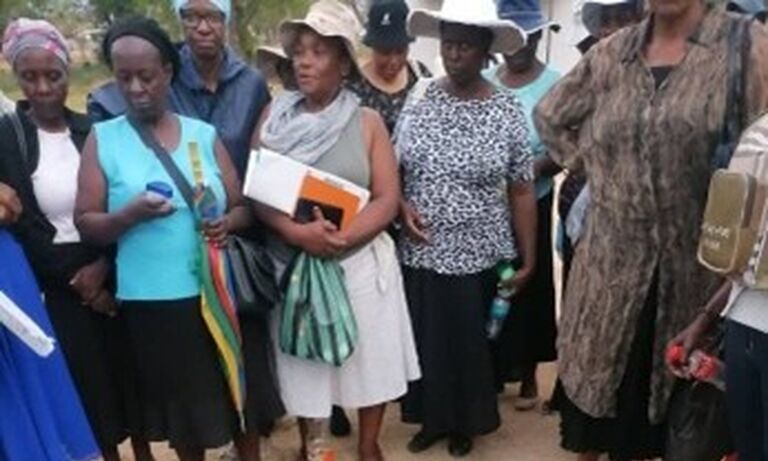
In the heart of Emakhandeni, Bulawayo, Councillor Susan Sithole is redefining what community leadership looks like. As one of the female councillors serving the City of Bulawayo, Susan has committed her leadership to the transformation of vulnerable groups—women, widows, young people and persons with disabilities, who have been disproportionately affected by economic hardship, unemployment and rising poverty levels.
For many families in Ward 11, the daily struggle to afford food, school fees, medical care and basic household necessities became a cycle of dependency and despair. Susan observed how this reality affected self‑esteem and motivation, particularly among women and young people who felt increasingly disempowered in a difficult economic environment.
Refusing to be a leader confined to policies and meetings, she began conducting door‑to‑door needs assessments to understand the lived realities of her community. What she found was clear: people did not lack potential, they lacked opportunity, skills, and resources to build sustainable livelihoods.
From this realisation, she launched a practical skills‑training programme designed to build economic independence, restore dignity, and equip vulnerable groups with tools to generate income. The project focused on teaching participants how to produce dishwashing liquid, drinks, Vaseline, body lotion, baked goods and hairdressing services, skills that could be transformed into immediate small businesses.
Her objective was simple and bold: To empower vulnerable groups through income‑generating skills that reduce poverty, improve self-sufficiency, and strengthen community resilience.
Transforming Lives Through Skills and Opportunity
The impact of the initiative has been profound. Women, youths and persons with disabilities who once relied on external assistance now have the capability to produce marketable products and sell them within their communities.
Participants report being able to buy food, pay bills, support their children’s education, and meet essential household needs, all through income earned from the new skills they have gained. Many sell directly from their homes, which reduces overhead costs and makes their businesses more viable in the early stages.
For women, this transformation has been especially powerful. Many describe how the project helped them gain confidence, reduce dependence on partners or relatives, and take control of their livelihoods. School leavers have also embraced the training as a productive way to spend their time as they wait for educational opportunities, preventing idleness and vulnerability.
A significant achievement has been the reduction in drug and substance abuse among youth who joined the programme. With something constructive and income‑generating to focus on, young people have shifted away from risky behaviours and towards meaningful participation in community development. Self‑reliance has brought not only income, but also dignity, purpose and hope.
How Change Came About
The transformation was driven by hands‑on skills training and active community mobilisation. Widows, women and persons with disabilities were equipped with practical techniques in production, packaging and marketing. Through these sessions, participants learned how to create high‑quality products that could compete in local markets.
Before the training, many widows in the community faced deep economic hardship and emotional isolation. They lacked opportunities to earn income and often relied heavily on inconsistent support from relatives. Today, these same women are producing and selling liquid soap, Vaseline and baked goods—demonstrating resilience, initiative and collective strength.
Their testimonies reflect renewed confidence, improved living conditions, and strengthened unity. Working together has created a supportive network where vulnerable groups exchange ideas, share challenges, and celebrate progress. Participation in community markets has increased, and many households now have a more stable source of income.
The change is visible not only through words, but through tangible improvements: bottled and labelled products, thriving home‑based businesses, and growing community recognition for the value of self‑reliance.
Sustaining and Scaling the Initiative
For long-term sustainability, Susan has established several key strategies:
- Regular refresher trainings to improve product quality and expand skills into new product lines.
- Partnerships with local suppliers to secure affordable raw materials through bulk purchasing.
- Strengthening Vaslique Sisters, a group of widows who collaborate, share resources, and access wider markets.
- Support through saving schemes, profit reinvestment and basic financial literacy, helping participants manage and grow their businesses.
- Engagement with local authorities, NGOs and community-based organisations to secure small grants, marketing support and platforms for selling products.
- Community awareness campaigns encouraging residents to buy local, strengthening the market and boosting motivation among participants.
The vision is clear: to empower women, widows and persons with disabilities—not just with skills, but with confidence, networks and pathways to economic independence.
Evidence of Impact
The success of the project is backed by strong evidence. Testimonials from participants like Fatima, who now supports her family through tailoring, and John, who started his own business, demonstrate how skills training can unlock potential and transform lives.
Photographs show participants proudly displaying their products—labelled soap, Vaseline, perfumes, baked goods—evidence of both skill and pride. Community leaders report increased confidence, productivity and unity among those involved.
A thriving community garden, maintained through self‑reliance initiatives, further illustrates collective empowerment and resilience.
Voices of Change
This is what we want to see—not only in office. Keep it up and don’t do it on media only — Liberty Mabonabulawe Siziba
We thank you, well done — Makhosazana
May the good Lord be with you, ma’am — Khutshwekhaya
By: Susan Sithole
Comments
Related Drivers Of Change