
Zimbabwe: A world of equal opportunities for All

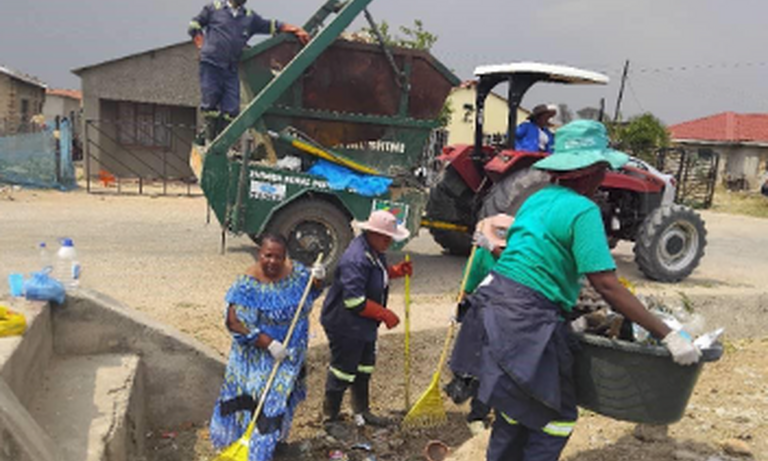
In my community, gender inequality has long shaped the lives of women and girls. As a woman councilor, I witnessed the daily realities: gender based violence, stereotypes that silence women, limited access to education, and deeply rooted cultural norms that hold women back. Women were excluded from decision making spaces, denied opportunities to own land or businesses, and frequently labelled negatively when they stepped into leadership roles. Girls’ education suffered, leaving them with restricted employment prospects.
Women lacked financial independence, and many struggled in households where men controlled resources and property. Even socially, a woman surrounded by male colleagues was judged, shamed, or accused of inappropriate behavior a reality that men did not face. Before our interventions, gender disparities affected every part of community life. Women were absent from leadership roles. School committees, water point management structures, and political spaces were dominated by men. Women lacked access to financial services and economic opportunities.
Stereotyping and cultural norms crippled women’s confidence. Labelling and shame became weapons used to hold women back whenever they tried to occupy positions of power. Many women avoided public leadership for fear of being judged or accused of immorality. The community suffered economically too underused skills, wasted potential, low productivity, and weak civic engagement held back development. The transformation we witnessed has been powerful and deeply encouraging. Through Village Business Units (VBUs), women began working together, generating income, strengthening food security, and reducing their dependency on partners.
The establishment of Internal Savings and Lending (ISALs) enabled women to access money for school fees, household needs, and small businesses. Women were trained in critical thinking, leadership, smart agriculture, financial literacy, and project management. This education created a ripple effect empowering whole households and improving community decision making. Women began chairing committees, taking part in civic activities, driving VBU projects, and speaking confidently in public spaces. In schools, in water point committees, and in council subcommittees, women now hold visible leadership roles. This shift has challenged stereotypes and increased trust in women’s capabilities.
Communities also benefited economically. Women’s improved financial management reduced wastage of locally available resources, strengthened recordkeeping, and made income generating projects sustainable. Smart agriculture training improved yields, boosted household resilience, and enhanced food security. While challenges still remain such as varying learning speeds and lingering donor dependency the progress is undeniable. Communities now embrace women as critical contributors to development.
Denicah Makota, Zimbabwe
Comments
Related Drivers Of Change