South Africa: Molding a safer future through young men

In Homu 14A, a rural area outside Giyani in Limpopo, a powerful movement is taking shape one that begins with young men and ripples out to their families, schools, and communities. The “Empowering Boys as Ambassadors of Change” campaign was launched to tackle one of South Africa’s most persistent and devastating challenges: gender based violence and domestic violence. While GBV awareness campaigns often focus on supporting survivors, this initiative recognized an equally critical need engaging boys early, before harmful norms become deeply entrenched.
For years, the learners at Mafumani Secondary School, like many young people across the country, were navigating communities where violence, silence, and harmful gender expectations were often normalized. Many had witnessed domestic violence at home; others had absorbed harmful ideas about manhood from peers or cultural misinterpretations. Conversations about GBV were rare, and platforms for guidance were even rarer.
Recognizing these gaps, the Nakambe Centre for Child and Family Care partnered with a coalition of institutions including the Department of Justice, SAPS, the National Prosecuting Authority, Thuthuzela Care Centre, Legal Aid South Africa, and local attorneys to design a campaign specifically aimed at changing mindsets among boys before they become men who harm. The goal was not only awareness raising but building a generation of boys who understand leadership as care, strength as compassion, and masculinity as responsibility.
The campaign brought together learners from multiple schools for a series of GBV education sessions, community dialogues, and engagements with justice sector professionals. Boys learned how to identify the different forms of GBV physical, emotional, economic, and sexual and how to challenge harmful behaviors among their peers. They also learned about consent, healthy relationships, the legal implications of GBV and domestic violence, and how their voices can influence safer communities. The Department of Social Development and the Department of Justice worked closely with Nakambe to shape messages that were age appropriate, culturally relevant, and grounded in human rights.
What made this initiative particularly powerful was its holistic approach: while the boys received education and mentorship, families affected by violence were also linked to support services, counselling, and legal assistance through Nakambe and partner organizations. This ensured that the campaign addressed prevention and response simultaneously.
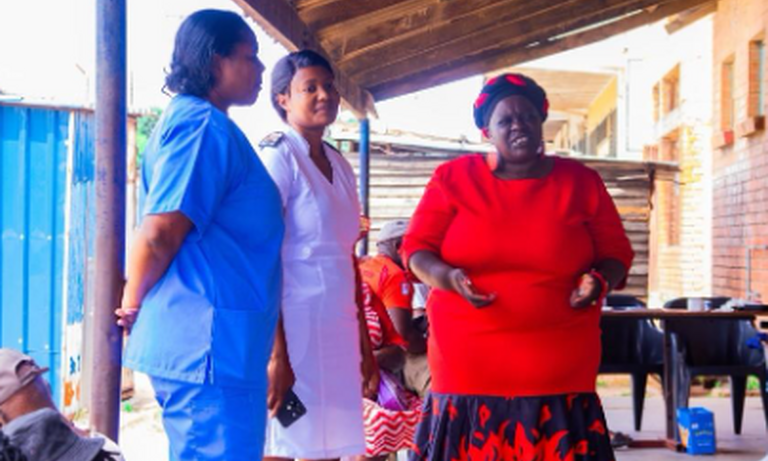
The change was not just felt it was recorded and witnessed. An attendance register documented the participation of boys from different schools, while photographs captured the energy, engagement, and commitment of the learners and stakeholders involved. More importantly, the boys’ own words speak to the transformation taking place. These reflections reveal a shift not only in behavior but in consciousness boys beginning to challenge harmful norms and take ownership of their role in preventing violence.
The initiative has already begun to impact families and the broader community. Parents reported improved communication at home, and teachers observed more respectful interactions among learners. Stakeholders noted that boys who once dismissed conversations about GBV were now speaking confidently about responsibility, equality, and resilience. The discussions also empowered boys to support each other. Many shared that they felt more comfortable seeking help or reporting violence, whether experienced personally or witnessed. This is a critical shift in communities where silence around violence has long been a barrier to justice and healing.
The success of the campaign has led to a commitment from all partners to make it a continuous, communitywide movement rather than a once off event. Plans are underway for regular school visits, community dialogues, and collaborative outreach activities. Youth ambassadors selected from the participating schools will lead peer education sessions, ensuring that the message spreads organically among their peers. This long-term vision ensures that the initiative grows beyond its initial phase, embedding GBV education into school culture and community life. Through ongoing collaboration with justice and social development departments, the initiative aims to build a sustained pipeline of informed, empowered young men who challenge violence wherever they encounter it
What began as a local awareness campaign has evolved into a transformative movement that places boys at the Centre of change. By teaching leadership rooted in empathy, support, and responsibility, the campaign is reshaping ideas of masculinity and strengthening pathways to community safety. The story of Homu 14A is a reminder that change is possible when communities invest in young people and when boys are empowered to become champions of equality rather than bystanders to violence. With continued collaboration, this model has the potential to influence schools, families, and institutions far beyond Giyani contributing to a future where gender based violence is not a norm but a challenge young men stand united against.
Giyani, Limpopo
Comments
Related Drivers Of Change