South Africa : Setting Boundaries, Opening Healing: Mthembukazi’s Journey Towards Empowerment


A Journey Begins
Before stepping into the healing workshop hosted by the Mental Wellness Initiative, Mthembukazi Bavuma was carrying an invisible weight. Like many community responders, she worked tirelessly in spaces where trauma and pain were daily realities. Her role demanded empathy and resilience, but without the right tools or support, the emotional toll was mounting. There were no safe spaces to pause, reflect, and restore—a gap that left many like her vulnerable to burnout and emotional exhaustion.
The need was clear: accessible, trauma-informed spaces where those who hold others’ pain could also find healing for themselves.
The Turning Point
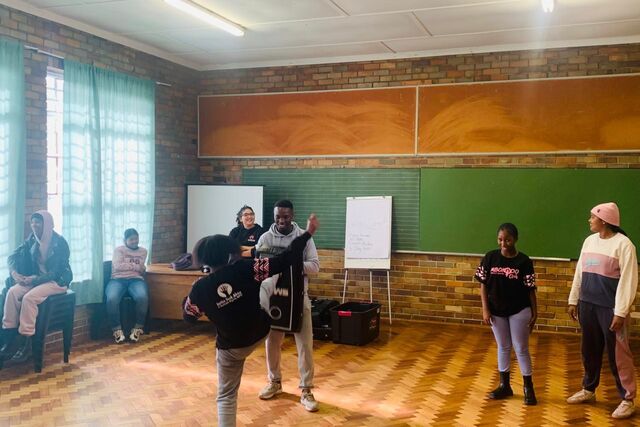
Everything began to shift during a full-day healing session designed to nurture body and mind. The workshop offered more than just conversation—it created a sanctuary of trust and learning. Through trauma education, shared experiences, and somatic practices such as TRE (Tension & Trauma Releasing Exercises), participants were invited to reconnect with themselves.
For Mthembukazi, this was transformative. She learned the power of setting boundaries and communicating her needs—skills that sound simple but are revolutionary for those accustomed to giving endlessly. These tools became her armor, enabling her to protect her emotional well-being while continuing to support others.
What Changed?
The impact was immediate and profound. Mthembukazi reported feeling more equipped to manage trauma, both personally and professionally. Improved sleep, emotional release, and a heightened sense of body awareness signaled a new chapter in her journey. While integrating these practices into daily life remains a work in progress, the foundation has been laid.
Her words capture this shift:
“Setting boundaries and communicating your needs and expectations more clearly.” – Mthembukazi Bavuma
Michelle Hendrikz, another participant, echoed the sentiment:
“To be open to new and different approaches.”
These reflections underscore the workshop’s success—not just in teaching techniques, but in fostering openness and resilience.
Evidence of Change
The transformation is documented through participant feedback and Jotform responses. Beyond the numbers, the quotes speak volumes. They reveal a renewed sense of agency, a commitment to self-care, and a readiness to embrace healing as an ongoing process.
Sustainability and Next Steps
Healing is not a one-time event; it’s a journey. For Mthembukazi, the next steps involve seeking guided support, accessing resources, and joining community groups. Her eagerness for refresher workshops and peer-led spaces highlights a critical insight: sustainable wellness requires continuity.
The Mental Wellness Initiative recognizes this need. Plans for follow-up sessions, resource hubs, and community-driven support networks are underway. These efforts aim to ensure that the seeds planted during the workshop grow into lasting change—rooted in trust, embodiment, and collective care.
Why This Matters
Stories like Mthembukazi’s remind us that empowerment begins within. When those who care for others are given the tools to care for themselves, the ripple effect is immeasurable. It strengthens communities, deepens resilience, and builds a culture where healing is not a privilege but a shared right.
By: Segametsi Ditlhale.
Comments
Related Stories Of Change