South Africa: Door-to-Door GBVF Awareness Campaign: Breaking the Silence in Ezimbuzini

A Community in Crisis
Ezimbuzini and Emalahleni informal settlements are home to thousands of families living under harsh conditions. Amid poverty and insecurity, another shadow looms large—Gender-Based Violence and Femicide (GBVF). For many women and children, violence is not just an occasional threat; it is a daily reality. Yet, despite awareness campaigns and public discourse, silence persists. Why? Fear.
Residents know the dangers of GBVF and domestic violence, but reporting abuse often feels impossible. The izinduna—self-proclaimed community leaders—wield unchecked power. Some are alleged perpetrators themselves, intimidating anyone who dares to speak out. Reports surfaced of an informal settlement leader sexually involved with underage girls, yet no one complained to the police. The reason was chilling: those who challenge the izinduna risk losing their homes and their lives.
This climate of fear breeds excuses and denial. During initial engagements, some men claimed to be victims of abuse by women, often joking about their situations. These remarks masked deeper issues and reinforced harmful norms. For women, the stakes were even higher. Many shut their doors when approached, insisting they were not victims. Silence became a survival strategy.
The Turning Point
Against this backdrop, Usizo Community Development Projects launched a bold initiative—a door-to-door GBVF awareness campaign. The goal was simple yet profound: break the silence, restore dignity, and empower survivors. The campaign faced resistance from the start. Outreach workers were met with hostility. Men accused them of teaching witchcraft and encouraging disobedience among wives. Threats were real, but so was the determination to create change. Usizo and its partners persevered, moving from home to home, conversation by conversation.
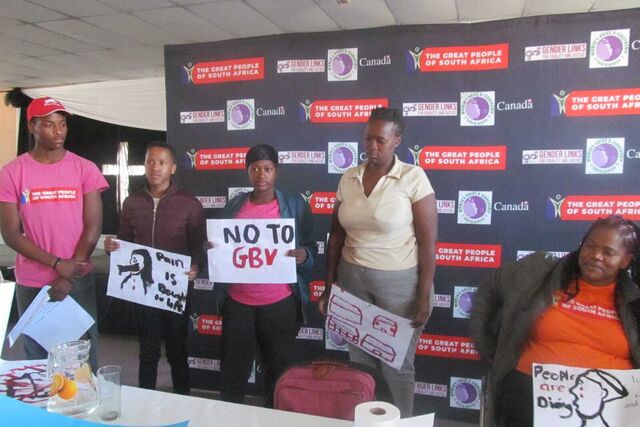
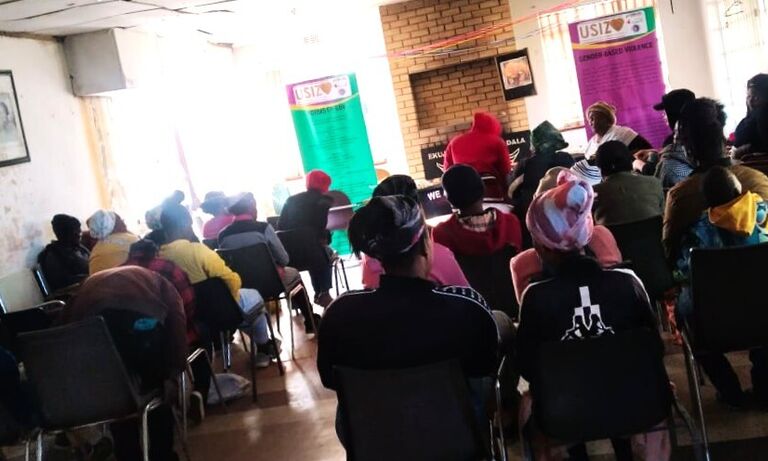
Their persistence paid off. Slowly, cracks appeared in the wall of silence. Women began visiting Usizo’s center, seeking advice and support. Survivors started attending “Open Up and Heal” sessions—safe spaces for sharing stories and finding strength. What began as whispers of courage grew into a chorus of empowerment.
Evidence of Change
The numbers tell part of the story: 498 beneficiaries reached through the campaign. But the real impact lies in the voices of those who dared to speak:
- Phumeza Makapela:
“With the support of Usizo Community Development Project, I have mustered the strength to take a step I have feared for years. I have made the empowering decision to prioritize the well-being of myself and my son by releasing the past, embracing the present, and bravely creating a new path. I have left my abusive boyfriend and returned home to the Eastern Cape.” - Anathi Njemlana:
“Through the campaigns, I have gained the strength to join the women at Usizo, and I must express that I have learned a great deal from their teachings and discussions.” - Women of Ezimbuzini & Emalahleni Informal Settlements:
“Thanks to the teachings and sessions from Usizo, we are thrilled to express that we feel empowered and enlightened regarding GBVF.”
These testimonies are more than words—they are milestones in a journey toward justice and healing.
Why This Matters
GBVF is not just a statistic; it is a lived experience that destroys lives and communities. In Ezimbuzini, fear of reporting perpetuates cycles of abuse. Breaking that cycle requires more than awareness—it demands trust, persistence, and solidarity. Usizo’s campaign demonstrates that change is possible when communities are engaged at the grassroots level.
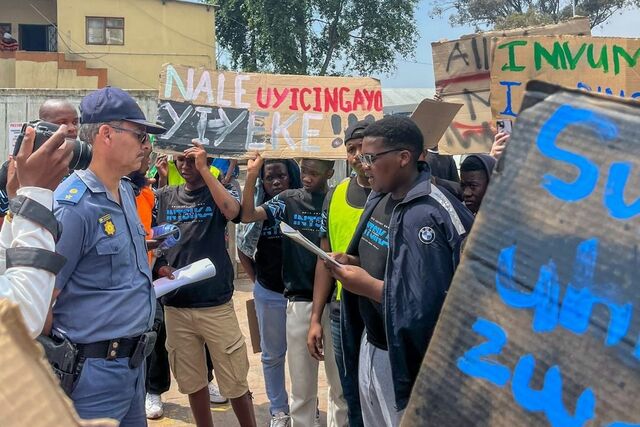
The presence of SAPS, Community Policing Forums (CPF), and Green Bombers at awareness forums signals progress. Collaboration among stakeholders is critical to dismantling the power structures that enable violence. Every conversation, every session, every act of courage chips away at the culture of silence.
Sustainability and Next Steps
The fight is far from over. Usizo’s findings underscore the need for continued engagement and survivor support. Future initiatives will focus on:
- Strengthening partnerships with law enforcement and community forums.
- Expanding “Open Up and Heal” sessions to reach more women and children.
- Implementing strategies that ensure safety for those who report abuse.
- Building a culture where speaking out is not a risk—but a right.
By sustaining these efforts, Ezimbuzini and Emalahleni can become communities where dignity triumphs over fear, and justice replaces silence.
A Call to Action
This story is a testament to resilience and hope. It reminds us that transformation begins at the grassroots—with ordinary people refusing to accept violence as normal. Usizo Community Development Projects and its partners have shown that even in the most challenging environments, change is possible. But it requires all of us—government, civil society, and individuals—to stand together. Because every woman deserves safety. Every child deserves a future. And every community deserves peace.
By: Ladi Phofu.
Comments
Related Stories Of Change