Menstrual Dignity and Hope for Schoolgirls in Ghana

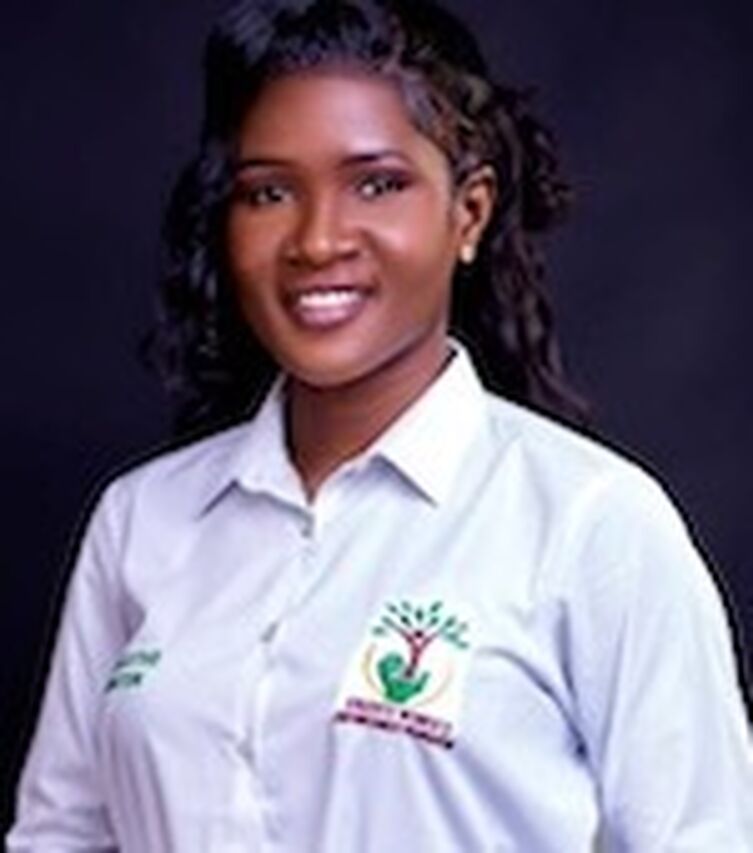
Constance Ohenewaa Ankoma – Ghana
In many communities across Ghana, menstruation remains a source of shame, stigma, and missed opportunities. For the young girls at Konongo Ancilla Junior High School, this reality often translated into anxiety, absenteeism, and silence. But through the WOSSO Fellowship, I was able to begin a journey that brought these challenges out of the shadows and placed the dignity and wellbeing of girls at the centre of advocacy and action.
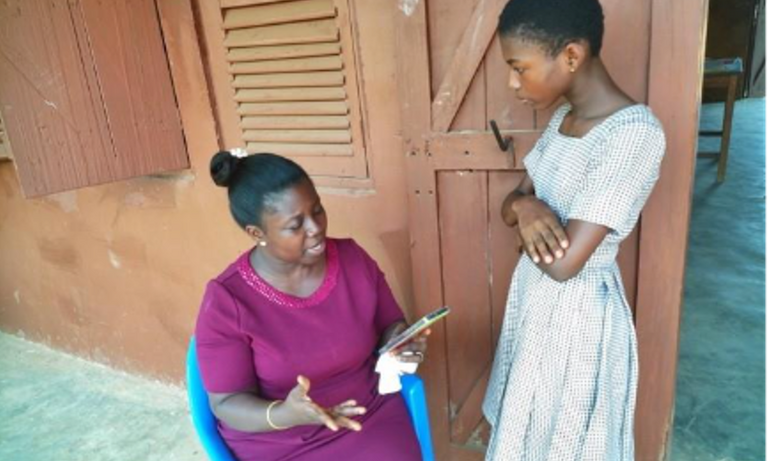
Rooted in the belief that data can drive change, we began by training local volunteers to serve as data collectors. This training, held in February 2025, wasn’t just about gathering numbers, it was about equipping young changemakers with the skills to engage students ethically and compassionately. Through these surveys, we gained a clearer picture of the barriers girls face in managing menstruation: limited access to sanitary pads, lack of safe spaces, and the emotional toll of feeling isolated or ashamed.
Even before full implementation of the Pad Bank Project, the impact of this groundwork began to show. The school’s headteacher committed to providing space for pad storage, a direct result of our early engagement. Informal conversations with students revealed something even more powerful: hope. Girls shared how just knowing that someone was listening and working to address their struggles made them feel seen and valued.
As a WOSSO Fellow, I also had the opportunity to engage regionally, participating in the Beijing+30 African Regional Review in Addis Ababa, the African Women in Dialogue in Johannesburg, and the African Regional Forum on Sustainable Development in Kampala. These experiences helped me draw powerful connections between local action and global advocacy, especially around menstrual justice, youth inclusion, and gender-responsive policies.
The fellowship not only amplified my work but expanded my network and capacity. I forged a partnership with Incema in South Africa, aiming to adapt their boys’ behavioural change model to Ghana. WOSSO’s learning spaces, mentorship, and knowledge exchange strengthened my ability to plan, lead, and adapt advocacy strategies grounded in lived realities.
My story is one of quiet but powerful beginnings, where trust, listening, and evidence set the stage for change. Through this journey, we are not only improving menstrual health management but restoring dignity, building confidence, and ensuring that no girl must miss school because of her period. This is just the beginning.