Southern Africa: New energy from civic engagement

| Gender Links
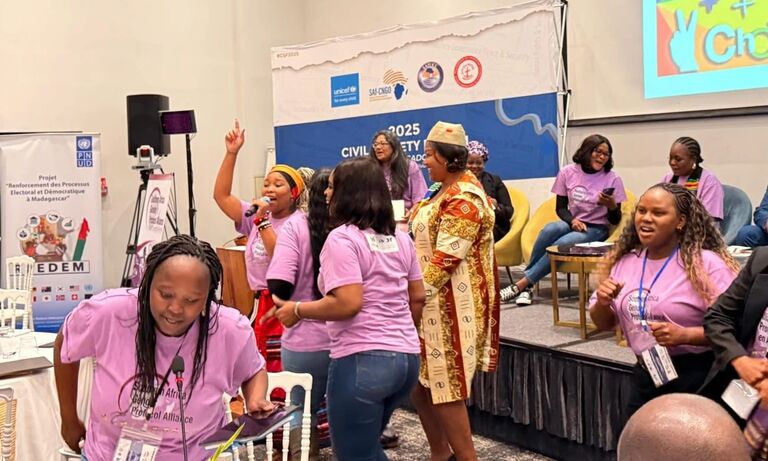
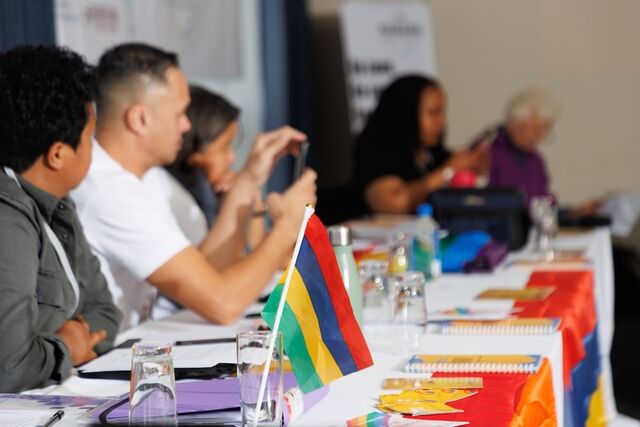
From 18 to 22 August 2025, I had the profound honor of participating in the Civil Society Forum hosted by the Southern African Council of Non-Governmental Organizations (SAf-CNGO) in Antananarivo, Madagascar.Though I missed last year’s convening, walking into this year’s forum felt right, purposeful, and divinely designed. The timing could not have been more perfect. It was as if God and my ancestors had set this moment aside for me, to learn, to heal, to lead, and to connect.This forum, held alongside the SADC Heads of State Summit, gathered activists, researchers, policymakers, and civil society actors from across Southern Africa. Together, we wrestled with the pressing challenges facing our region while exploring opportunities to collaborate, innovate, and transform.None of this would have been possible without the remarkable organizing work done by SAf-CNGO and the unwavaring support of partners who made this convening a reality: Gender Links, Amnesty International, Southern Africa Trust, Transparency International, CRINSA, the Global Campaign for Education, the Marang Fund, and the WOSSO Fellowship itself.
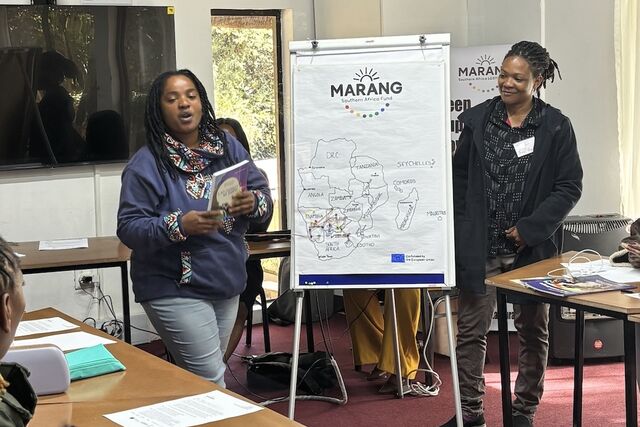
Their collective commitment to civil society, women’s leadership, advocacy, and justice is not just inspirational — it is transformational.On the first day, I walked into a panel already in progress — a deeply engaging session on the backlash against LGBTQIA+ rights, funding cuts, and the violence marginalized communities continue to endure. This session included powerful panelists from The Other Foundation and the Marang Fund.I raised a question on land access inequalities, particularly for LGBTQIA+ individuals, a matter that is often overlooked but deeply consequential. Crystal, one of the powerful panelists from Cape Town responded with honesty and depth, highlighting the compounded economic and social injustices that LGBTQIA+ communities face.It was a reminder that our advocacy must always remain intersectional, inclusive, and rooted in dignity for all — regardless of gender identity or sexual orientation.Read the full blog.(Written by Zintle Khobeni de Lange, a WOSSO Fellow)
Comments
Related news