Southern Africa: Safe Abortion - from rights on paper to rights in practice

Marking International Safe Abortion Day 2026
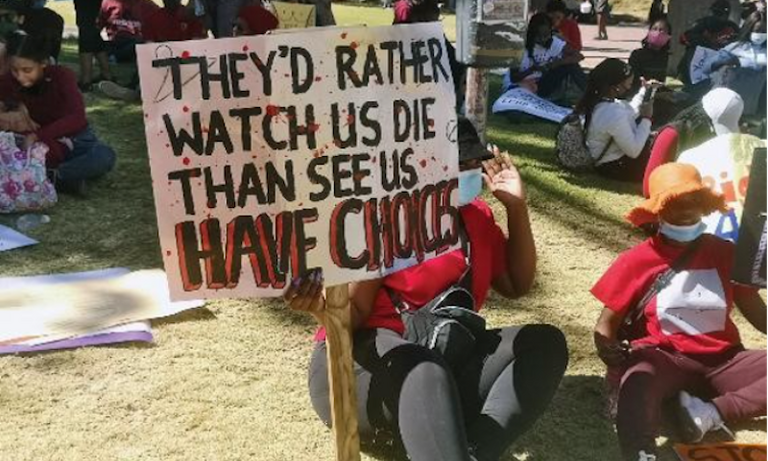
International Safe Abortion Day provides an important moment to reflect not only on the legal status of abortion, but on whether women and girls can actually exercise their rights safely, with dignity and without discrimination.
The launch of the 2026 Southern Africa Gender Barometer: Safe Abortion Chapter offered precisely such a moment. It brought together experts, advocates and country voices from across Southern Africa to examine the distance between policy commitments and the lived realities of women and girls in communities.
The evidence presented is sobering.
Across all 16 SADC Member States, the overall regional score is just 34%, with only three countries scoring above 50%.
Behind that 34% are real people. Women and girls navigating health systems, laws, institutions and social expectations. Survivors of sexual violence. Young people seeking information and care. Health workers trying to provide services within systems that are sometimes unclear or under resourced.
Their experiences remind us of something fundamental: having a legal provision is not the same as having access.
A law may permit abortion, but if a woman cannot find a trained provider, if health workers do not understand the law, if essential medicines are unavailable, or if administrative barriers make access impossible within the required timeframe, then that right remains out of reach.
This is why the conversation on International Safe Abortion Day mattered.
The gap between legality and accessibility
One of the strongest themes emerging from the discussion was the distinction between having a legal provision and being able to access a service.
A country may recognise abortion under particular circumstances, but access can remain constrained when women and girls cannot obtain accurate information, trained providers are unavailable, health workers are uncertain about applicable laws, medicines are unavailable, or administrative and social barriers delay care.
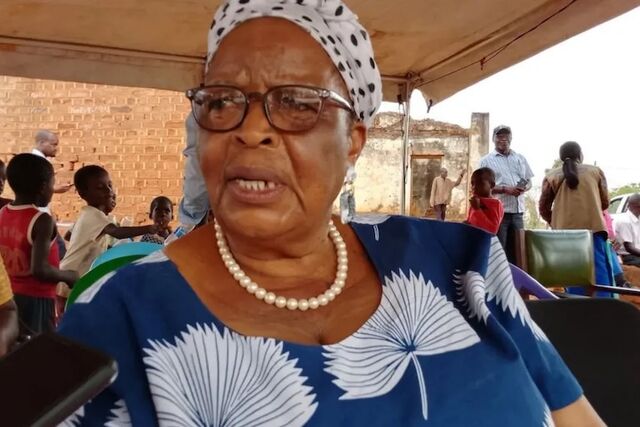
The lived experience shared from Zambia brought this gap sharply into focus. The testimony of a 25 year old Zambian woman, Violet Zulu who spent seven years in prison after seeking an abortion placed a human face on the broader evidence presented by the Barometer.
Her experience reminds us that measuring legal reform without examining implementation, information, service availability, affordability, stigma and provider readiness gives us only part of the picture.
Legal reform matters, but implementation matters too
Country perspectives from Malawi, Zambia and Zimbabwe demonstrated that legal and policy change is often only the beginning of the journey.
In Malawi, discussion focused on a High Court judgment concerning access to safe abortion services for minors who have experienced rape or defilement, alongside concerns about delays in implementation.
In Zimbabwe, participants reflected on the continuing relevance of the 1977 Termination of Pregnancy Act, ongoing advocacy for reform and the defeat of a recent Medical Services Amendment Bill.
These experiences point to a broader regional challenge: the distance between progressive judicial or legislative developments and what actually happens within health systems and communities.
Strategic litigation, parliamentary engagement and legal reform can create important opportunities for change. However, these gains must be accompanied by investment in implementation, provider knowledge, community awareness, accountability mechanisms and accessible services.
Information, stigma and community systems matter
The barriers to safe abortion do not begin and end with legislation.
Information gaps, stigma, misinformation, limited provider awareness and stockouts of abortion medicines can all undermine access. Safe abortion must therefore be understood not only as a legal issue, but also as a health system, information, community and social justice issue.
The discussion highlighted the importance of engaging pharmacists, community health workers and other community structures in considering how accurate information and appropriate services reach people in practice.
Participants also reflected on the potential role of spiritual and religious leaders in providing emotional and spiritual support. This speaks to the importance of understanding the social environments in which women and girls make decisions and seek care.
Community education must therefore form part of the regional response, while ensuring that information remains accurate, rights based and linked to appropriate services.
Medication abortion and the question of agency
Medication abortion emerged as another important dimension of the discussion.
Participants considered its growing relevance within the wider legal and health system environment and raised an important strategic question: Should efforts focus primarily on legislative change, or should greater attention also be given to practical pathways through which women can access medication abortion?
The evidence and perspectives shared suggest that this should not be treated as an either or choice.
Legal and policy reform can address structural barriers. At the same time, improving access to accurate information, appropriate services and medicines can address some of the immediate barriers experienced by individuals.
What matters is that approaches are safe, evidence informed, rights based and responsive to different country contexts.
From evidence to accountability
Perhaps the most important question emerging from the launch is not simply, What does the evidence tell us?
It is: What are we going to do with it?
The Southern Africa Gender Barometer, and the Safe Abortion Chapter in particular, provides governments, civil society, health systems, advocates and regional institutions with evidence to identify gaps and track progress.
But evidence becomes transformative only when it informs decisions, changes practice and strengthens accountability.
Several priorities emerged from the discussion.
- Strengthen implementation of existing legal and policy commitments. Where courts, laws or policies have established rights or access provisions, implementation must be monitored and accountability strengthened.
- Continue evidence informed legal and policy reform. Regional frameworks should reflect contemporary realities and commitments, including comprehensive sexual and reproductive health and rights.
- Strengthen health system readiness. Provider knowledge, trained personnel, essential medicines, referral pathways and clear administrative procedures are critical to meaningful access.
- Close information and awareness gaps. Women, girls, communities and service providers need accurate information about available services, rights and applicable legal and policy frameworks.
- Address stigma and misinformation. Community engagement should involve trusted actors and help create environments in which women and girls can seek information and care without fear, discrimination or judgement.
- Strengthen regional learning and accountability. The Barometer should serve not only as an assessment tool, but as a platform through which countries and civil society actors can compare experiences, identify implementation gaps, share learning and track progress over time.
- Put lived experience alongside quantitative evidence. Regional scores and policy indicators are essential, but personal experiences reveal barriers that statistics alone cannot capture. Advocacy and accountability efforts must continue to centre the voices of those directly affected.
Beyond International Safe Abortion Day
Southern Africa is not starting from zero.
There have been important developments through litigation, policy review, advocacy, parliamentary engagement and growing attention to medication abortion. Yet the evidence also shows that progress remains uneven.
The challenge ahead is to move from formal recognition to meaningful accessibility.
International Safe Abortion Day should therefore be more than a moment of reflection. It should be a point of accountability.
Are laws being implemented? Are health workers equipped? Are medicines available? Do communities have accurate information? Are women and girls able to access services within the necessary timeframe and with dignity? And are governments and institutions measuring whether their commitments are actually reaching people?
The 2026 Safe Abortion Chapter gives the region evidence with which to ask these questions.
The responsibility now lies with governments, health systems, civil society, advocates, regional institutions and communities to translate that evidence into action.
Ultimately, the measure of progress cannot simply be what is written in a law, policy or regional protocol. It must also be what women and girls are able to experience in their everyday lives.
As we look towards the Post 2030 Agenda, the challenge is to ensure that sexual and reproductive health and rights remain firmly on the development agenda, while building stronger movements, partnerships and accountability mechanisms to advance reproductive justice.
“We already have evidence of what needs to change. Our task now is to turn that evidence into collective action.”
(Written by Lynet Tinoza - Safe Abortion Cluster Co-Lead)
Comments
Related news