South Africa: Advancing SRHR through education, choice, health

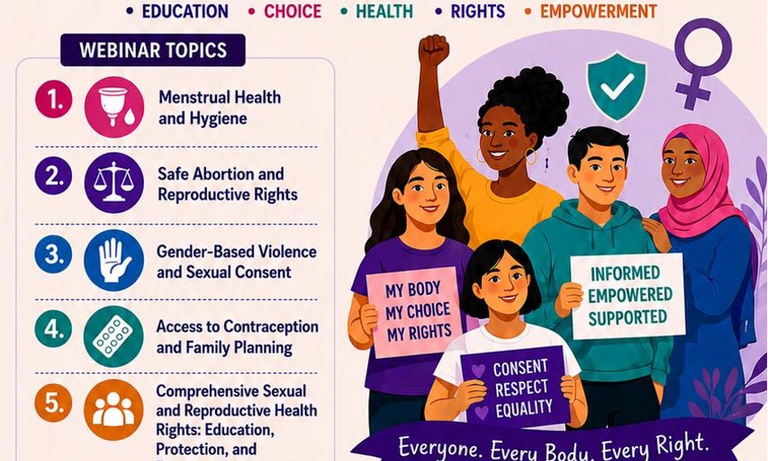
Access to accurate information about Sexual and Reproductive Health and Rights (SRHR) remains one of the most effective tools for empowering individuals to make informed decisions about their bodies, health, and future. This was the focus of the webinar titled “Empowering Bodies, Protecting Rights: Advancing SRHR Through Education, Choice, and Health”, which brought together civil society organizations and community advocates to discuss key issues affecting women, girls, and marginalized groups.
The webinar highlighted the importance of creating safe spaces where people can openly discuss reproductive health, challenge harmful myths, and access reliable information. Organizations including New Heritage Foundation, MT Foundation, Gender Rights in Technology, (WOSSO alumni)/Southern Africa Gender Protocol Alliance, and Tosunga Baninga shared insights and experiences from their work within communities.
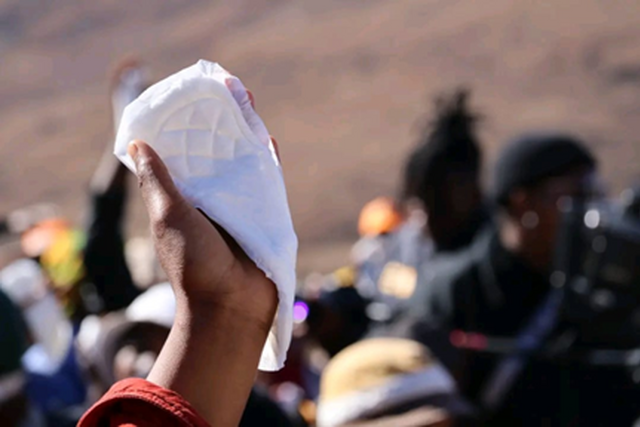
One of the key topics discussed was menstrual health and hygiene. Speakers emphasized that menstruation is a natural biological process, yet many girls and young women continue to face stigma, misinformation, and limited access to sanitary products. Participants heard how community-based Programmes are helping to improve menstrual health education and restore dignity to young people who often miss school or social activities because of period poverty.
The discussion on safe abortion and reproductive rights focused on the importance of understanding legal rights and accessing accurate healthcare information. Presenters stressed that reproductive choices should be informed by evidence-based information and supported by accessible healthcare services. The session highlighted the need to reduce stigma and ensure that women can access healthcare without fear of discrimination.
Gender-based violence and sexual consent formed another critical part of the webinar. Speakers explored how unequal power relations, harmful gender norms, and silence around consent contribute to violence. Participants were encouraged to promote conversations about respect, bodily autonomy, and healthy relationships within families, schools, and communities.
The webinar also examined access to contraception and family planning. Presenters noted that access to contraceptive services enables individuals to make informed choices about if and when to have children. Barriers such as misinformation, social stigma, and limited healthcare access continue to affect many communities, making education and advocacy essential.
This webinar was both informative and inspiring. It reinforced the reality that advancing Sexual and Reproductive Health and Rights is not only about healthcare services but also about education, dignity, equality, and human rights. The discussions demonstrated the important role that civil society organizations continue to play in empowering communities and advocating for social change.
(Written by Paballo Koeli)
Comments
Related news