16 Days: Our lives cannot wait

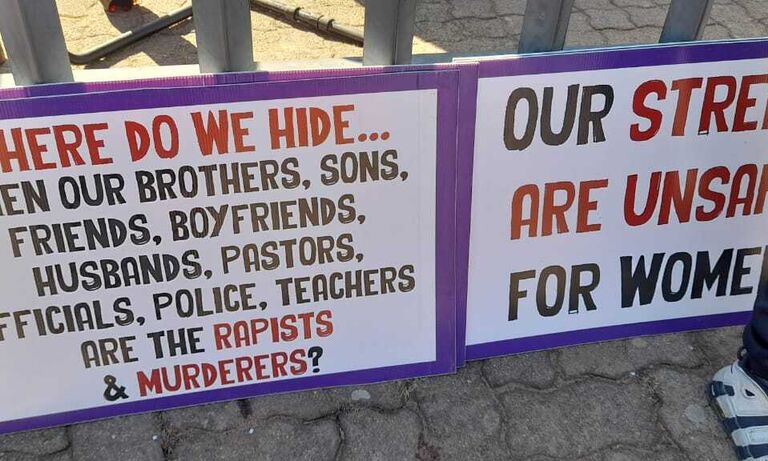
Every year, 16 Days of Activism arrive as both a reminder and a warning. A reminder that communities across South Africa continue to rise against gender-based violence, and a warning that the pace of change continues to fail the women, queer people, and gender‑expansive bodies whose lives are threatened daily. “Equality” is still a beautiful word on paper, but in practice it remains a daily struggle in taxis, in clinics, in courtrooms, in families, and in every space where silence is expected and power is uneven. Pushing forward for equality means refusing to wait for systems to become humane. It means demanding transformation, dismantling harmful norms, and insisting that safety is not a privilege but a birthright.
This year, my call is simple: we cannot keep fighting the same battles with the same tools. Equality requires more than symbolic gestures. It requires a deep cultural shift, political courage, and a willingness to confront uncomfortable truths. It forces us to acknowledge that GBVF is not a “women’s issue”; that queer lives are often erased from policy and protection; that young people raise their voices yet remain unheard; and that healing is impossible in a society that refuses to see itself fully.
A bleak reality: numbers are lives
Statistics in South Africa paint a devastating picture and behind each number is a story, a family, a life cut short. According to national surveys, about 33.1% of women over the age of 18 have experienced physical violence at least once in their lives. Nearly 10% have survived sexual violence. Between April 2023 and March 2024, South Africa recorded 5,578 murders of women a rise from previous years showing that the crisis is worsening, not stabilising. In a single quarter (July–September 2024), 957 women were murdered, 1,567 survived attempted murders, and more than 14,000 were victims of assault GBH.
These numbers are heartbreaking, but they also underrepresent reality. Many survivors never report violence due to fear, mistrust in the justice system, or the belief that nothing will change. In countless communities, violence has become so normalised that many do not even recognise their experiences as abuse. When society tells people to “endure,” “be strong,” or “keep it in the home,” silence becomes generational.
The personal is collective: why this matters to all of us
For me as a storyteller and activist, these figures are not distant statistics. They are faces I have met, voices I have listened to, and communities I have sat with. I think of survivors who carry their trauma in their bodies, sometimes for years, with little support. I think of families mourning daughters, sisters, partners, and friends. I think of queer survivors who feel doubly invisible: harmed both inside and outside their communities. I think of young women whose dreams shrink because fear takes up space where freedom should live.
Equality, therefore, cannot be reduced to a campaign slogan. Real equality requires structural change: accessible mental‑health support, protection for survivors, community‑based action, properly funded shelters, economic empowerment, and justice systems that believe and support those who come forward. It requires naming and dismantling toxic norms, especially the harmful beliefs about masculinity, power, and entitlement that fuel so much of GBVF. Without confronting the cultural roots, we cannot uproot the violence.
What does “Push Forward for Equality” look like?
Pushing forward for equality is not a passive act. It is intentional and disruptive. It demands that we all play a role.
- Raise our voices: Speak out when we witness harassment, abuse, or injustice. Silence protects perpetrators, not survivors.
- Demand accountability: From institutions, police, courts, workplaces, families, and community leaders. Policies mean nothing without enforcement.
- Change the narrative: Centre the voices of survivors, including queer, disabled, young, and rural voices. Use storytelling, art, writing, and media to shift harmful narratives.
- Build community solidarity: Create networks of care that interrupt isolation. GBVF cannot thrive in communities where people protect and uplift each other.
- Invest in long-term solutions: Trauma does not disappear in 16 days. We need sustainable mental‑health services, safe spaces, shelters, education, and legal support.
A call to action: Let our lives guide our demands
This 16 Days of Activism, I ask you friend, neighbour, ally, survivor, reader not only to witness but to act. Light your candle, yes, but also use your voice. Share this blog. Talk about GBVF in your circles. Support those who disclose. Challenge harmful jokes and comments. Donate to shelters and grassroots organisations keeping survivors alive. Hold leaders accountable. Refuse to normalise violence in any form.
We push forward for equality because the lives behind the statistics, our lives, our families, our communities cannot wait any longer. We push forward because we deserve to live in a country where safety is guaranteed, not negotiated. We push forward because each act of courage, each voice raised, each truth told brings us closer to a future where equality is not aspirational but lived.
And that future begins now.
Comments
Related news