Urban Municipality of Ivato Aéroport

Urban Municipality of Ivato Aéroport
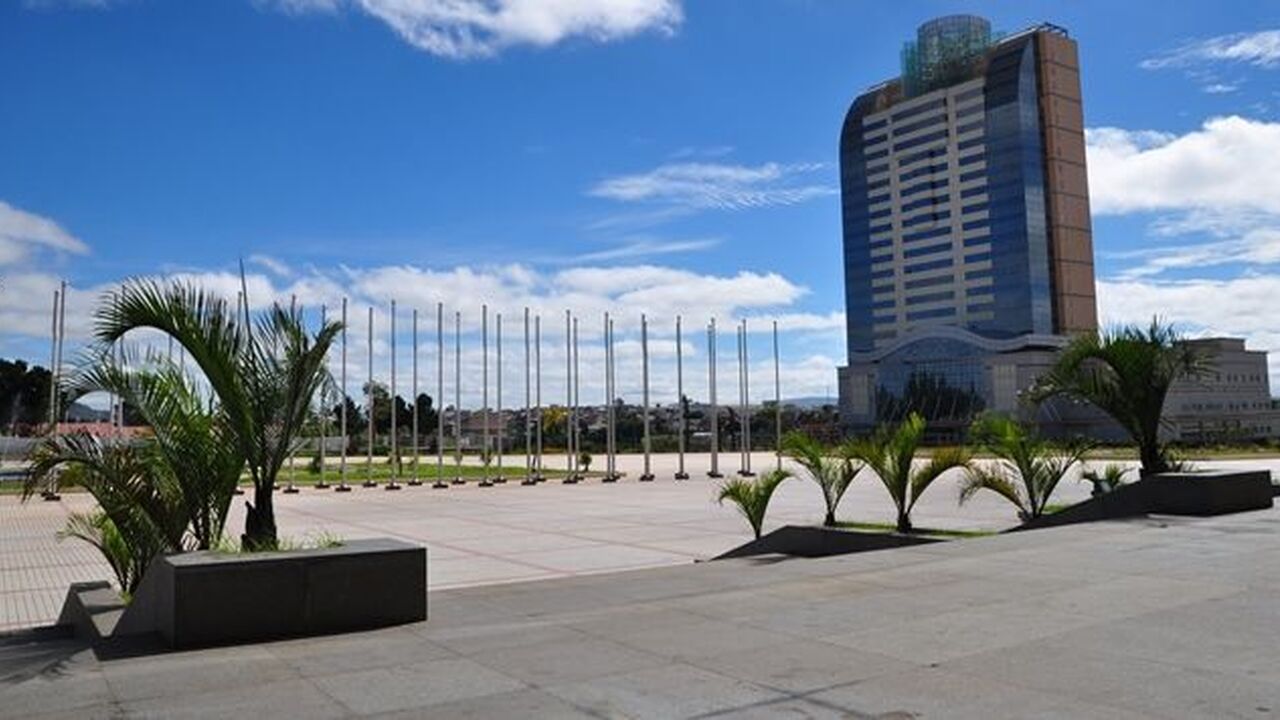
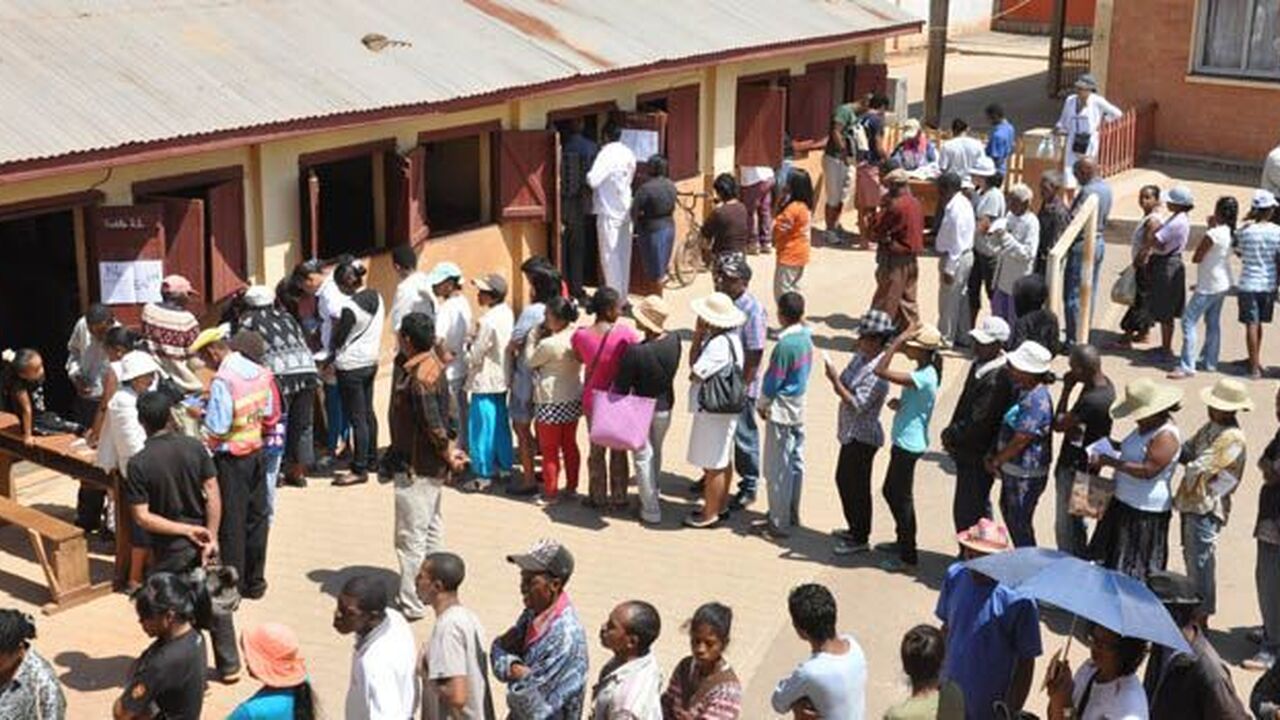
The municipality of Ivato Airport joined the Center of Excellence initiative in 2010. Ivato Airport is a rural municipality located 15 kilometers northwest of Antananarivo, the capital. According to the latest census conducted in 2015, the municipality has an estimated population of 54,943, including 25,957 men (47.25%) and 28,986 women (52.75%), covering an area of 11.64 km². The municipality is divided into six fokontany (hamlets), including Ivato Airport, which comprises seven neighborhoods. The municipality has six public schools, 47 private schools, and two basic health centers (CSB II). Trade, agriculture, livestock farming, and fishing are the main occupations of the population. The municipality of Ivato is home to the international airport, which is the gateway to Madagascar.
Introduction

Ivato Airport is an urban commune located in the Province of Antananarivo, in the center of Madagascar. It is located 15 km northwest of Antananarivo and is home to Ivato International Airport, the capital's airport. It belongs to the district of Ambohidratrimo. In Malagasy, Ivato means “place of stones.” Ivato has its own history. During the hegemony of the Merina monarchy, Andrianampoinimerina, as part of his campaign to unify the country, had two stones erected in the center of the village of Ivato, one higher than the other, symbolizing his power and that of the inhabitants of the village. These structures were called “sacred stones.” Even today, people come to bring offerings after the wishes they made in front of the “sacred stones” have come true.
Since 2010, the municipality of Ivato Airport has been chosen as a GL center of excellence. The municipal officials and the population in this municipality. Mayor of this municipality was convinced that raising awareness among the population about the gender approach and the fight against violence is a lever for development.
The municipality has integrated the gender approach into its policy in order to achieve the objectives stipulated in the SADC protocol, and municipal officials have set objectives for the promotion of education and vocational training, health for all, the fight against violence, and the fight against HIV/AIDS.