Urbain municipality of Diègo

Urbain municipality of Diègo
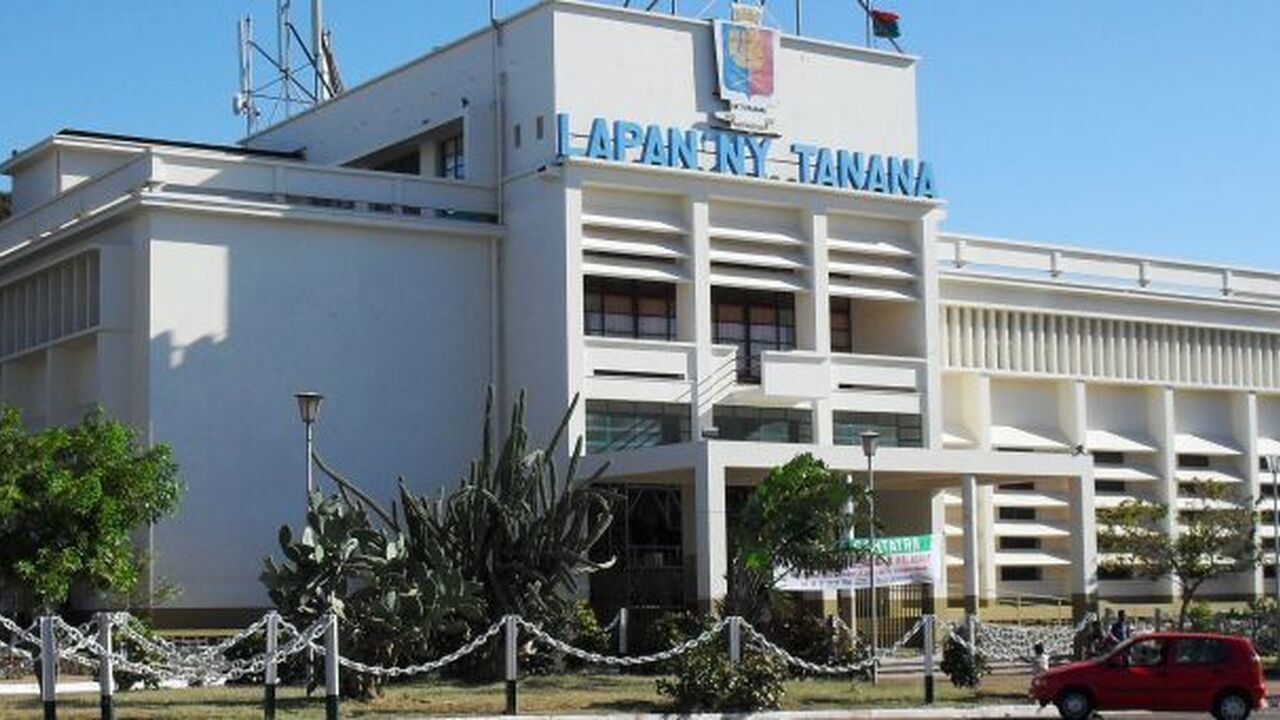
The municipality of Diégo, also called Antsiranana is located in the north of Madagascar. With a population estimated at 250,000 inhabitants, the town is home to the third largest port on the island, which plays a very important role in its economy and employment. The municipality has recently improved its emergency service with a new team of firefighters and an ambulance. The main challenges of the municipality are the maintenance of water due to climate change and environmental protection. Being a cosmopolitan city, Diego is also a very popular city among tourists from around the world for its paradisiacal beaches.
Introduction

The city of Diégo Suarez is located in the north of Madagascar with 139,568 inhabitants, including 75,661 (54.2%) women and 62,999 (45.13%) men. Agriculture, trade, fishing, are the main occupations of the population. Before the intervention of Gender Links (GL), the management of the commune was reserved for men.
The staff of the municipality are 329, including 123 (37.38%) women and 206 (62.61%) men. Gender was not a priority. After a first meeting with the GL team, the municipality was convinced of the importance of integrating the gender approach. Indeed, several funds were already available to carry out the activities; only a well-established action plan was missing.
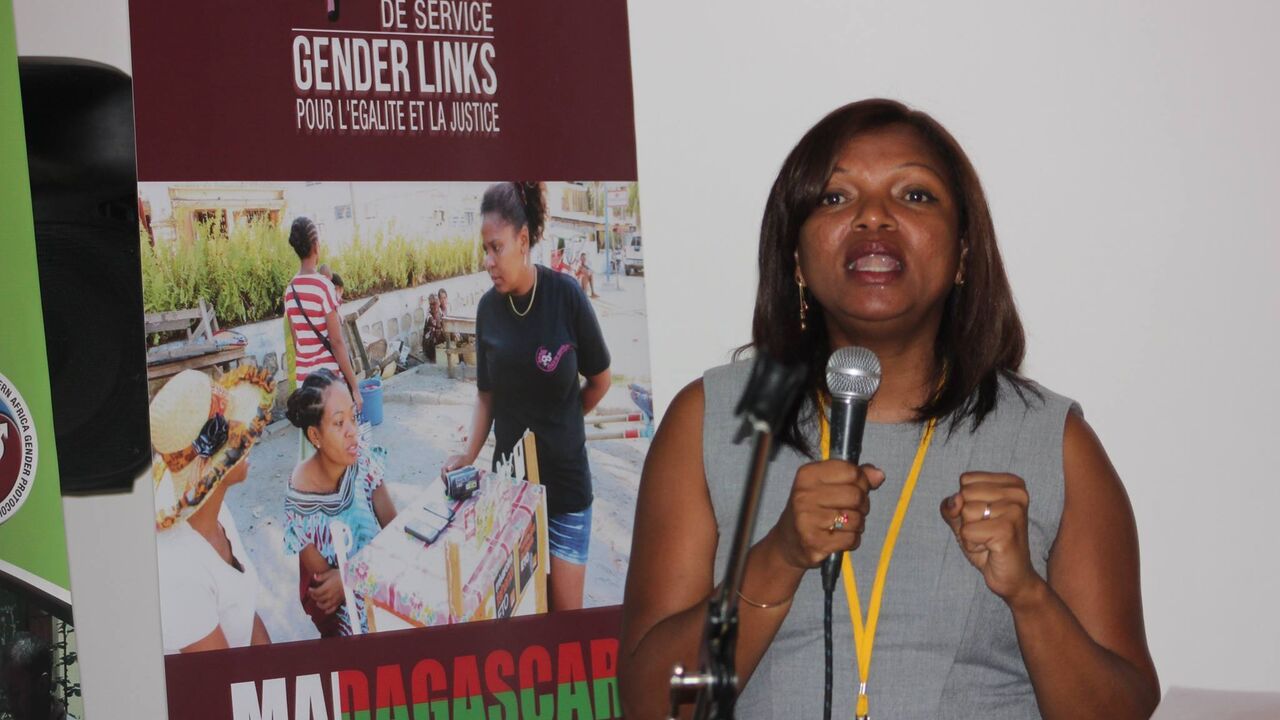
In addition, several women’s associations were ready to collaborate with the municipality. Thanks to the existence of the action plan, the process allowed this municipality to set up the association gender committee, the women’s network, the Center for listening and legal advice and organize the celebration of 16 days of activism in collaboration with the child protection network. The municipality also conducted capacity building sessions for staff and for women. In addition, the framework document (PMDS) of the municipality has been improved. Several infrastructures have been put in place to meet the needs of the population. At the level of financial administration, the municipality allocated an amount from its budget to finance the gender program.
The implementation of the COE process has brought changes in the municipality. This change is manifested at the level of the work system: the relationship between the members of the municipal council and the executives is improving. Result-based management has been implemented. Regarding the empowerment of women, the commune has implemented a support and training program for women. A significant improvement was also noted in public participation, especially at events related to gender, the fight against violence and even in the development process.
Regarding changes in the workplace, the gender action plan has been integrated into the annual work plan and men are now part of the anti-violence network. The municipality has been able to improve communication with the media: all events organized by the municipality have been broadcast by local and national media. At the household level, the relationship between the couples is improving, there is mutual aid among them in the process of educating their children. Gender mainstreaming has also brought changes in the vision of the staff. Previously, he confined himself to fulfilling their professional obligations; now gender has become a reflex, an attitude shared by all staff members.
Awareness sessions with men in order to collaborate with them, improve communication between local authorities and citizens in the process of the gender approach and consider education as a lever for the promotion of gender in all sectors.