Rural municipality of Andramasina

Rural municipality of Andramasina
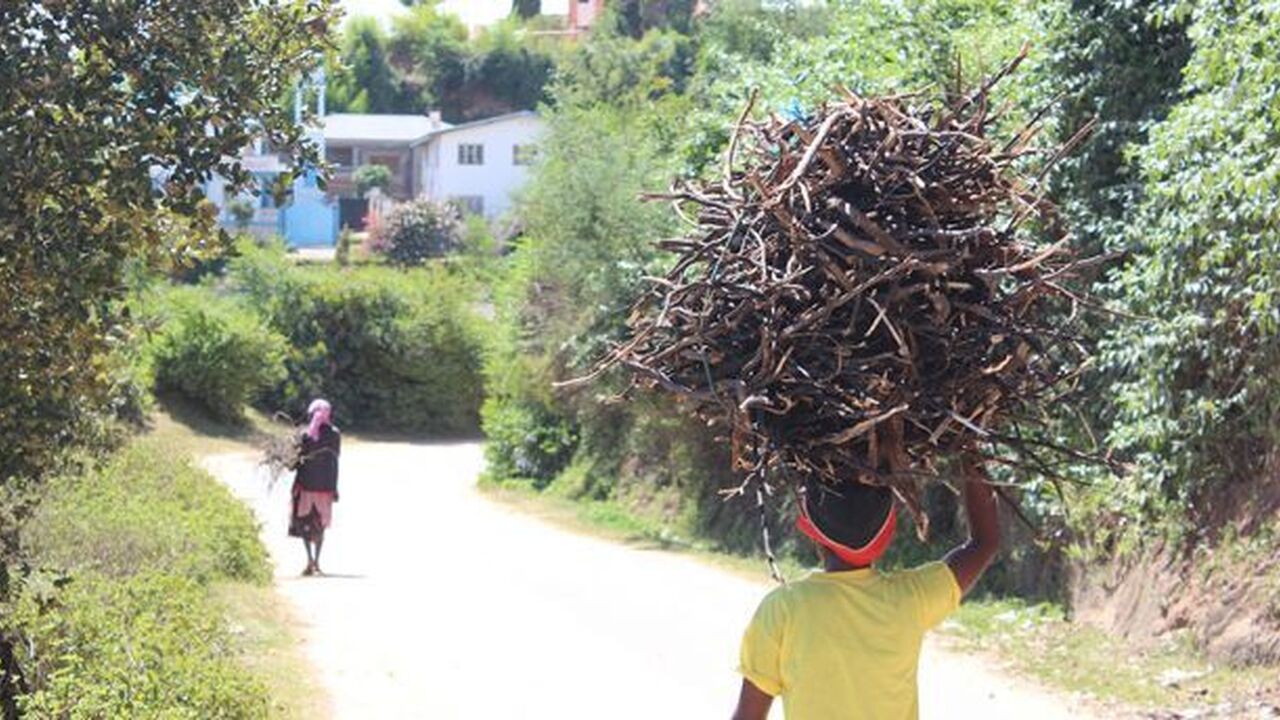
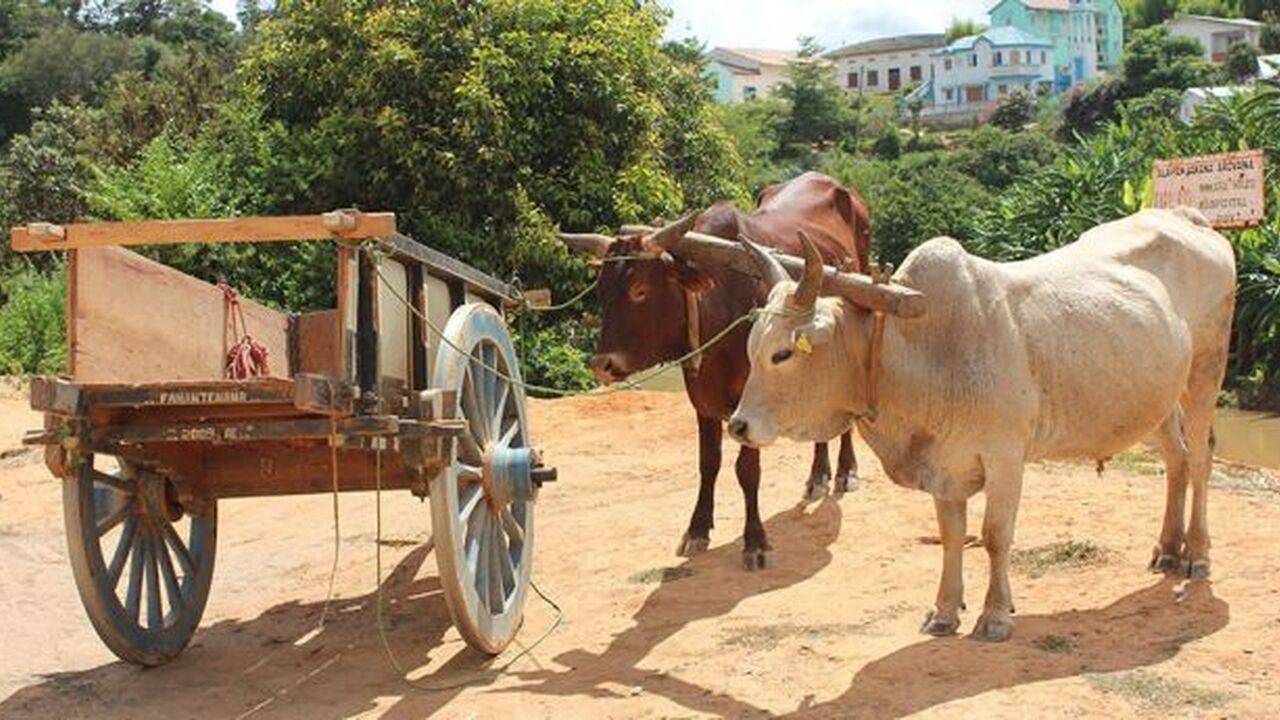
With 21,297 inhabitants, including 9,657 men and 11,640 women, the rural commune of Andramasina covers an area of 192 km2 and is divided into 10 Fokontany (villages). In terms of infrastructure, the commune has 11 public primary schools, two general education colleges, a high school and three basic health centers. The majority of the inhabitants live from agriculture and livestock. Moreover, the commune supplies the capital with vegetables and fruits.
Introduction

Andramasina is a rural municipality in the Analamanga region with more than 23,000 inhabitants. Before the intervention of Gender Links (GL), women’s issues were not taken into account by the community, women are marginalized. The majority of the municipality’s activities had not been gender-sensitive, as not all projects took into consideration the strategic needs of women. Since 2012, the municipality of Andramasina has been chosen as GL’s centre of excellence and benefited from the project "women and local elections", a project initiated by GL and UNDP to achieve the objectives of the SADC protocol on gender and development.
Subsequently, the Municipality of Andramasina was able to complete internships 01 to 10. Among the major activities undertaken, one can mention the development of a gender action plan with reference to the allocated budget, and moreover, is known by all. The municipality also conducted awareness and information sessions on the objectives of the SADC. 55.79% of the population are women, which is why the municipality is convinced of the importance of integrating gender into its policy with a view to effective participation of women in the development process. The integration of the gender approach is important for this municipality.
It increases the capacity for influence (policy, strategy) of men and women in the management of local affairs so that the delivery of services is based on perceived problems, and that the solutions come primarily from the population concerned. Although the municipality has only recently joined the Centre of Excellence initiative, it is showing a good performance to beat the score. She was able to implement activities to convince the community, the approaches and methodologies used have brought a lot of change in the municipality. Raising awareness among parents to enroll their daughters in school, mobilizing women to take responsibility, training on the fight against gender-based violence, empowering women through the creation of income-generating activities, the protection of mother and child health.
Moreover, the budget allocated to gender-related activities is quite significant, well differentiated and separate from the municipality’s budget. The existence of the action plan initiated by GL has brought a lot of change at the community level, especially at the level of behavior of men who are more favorable to the participation of women and collaborate with their wives in the process of educating their children. Changes have also been noted in the participation of the population in the development process, in the work system and especially in the fight against violence.
It is important to note that this municipality differs from the others in that the leaders are involved in promoting gender. Thus, to mark this commitment, the municipality has built a large stele marking the policy of promoting gender and combating violence in front of the municipal office. However, several obstacles still need to be overcome, namely: the inadequacy of financial and technical means, the lack of communication, the problems of isolation, and the stereotypes generated by habits and customs. The performance of this municipality could be improved by strengthening the monitoring and evaluation system, improving detected weak points, continuity and development of activities already undertaken even in case of a new Mayor, the capitalization, capacity building and organization of sharing sessions with other municipalities.