South Africa: Breaking Barriers: A Young Woman’s Fight Against Period Poverty

The story of Nondumiso
In the heart of Jerusalem, Johannesburg, a young woman named Nondumiso is rewriting the story of dignity and empowerment for adolescent girls. Her journey began with a simple but profound realization: too many girls in her community were missing school because of period poverty, stigma, and lack of education on reproductive health. For Nondumiso, this was not just a statistic it was a call to action.
Before the intervention, girls in Jerusalem faced silent struggles. Without access to menstrual hygiene products or accurate information, many stayed home during their periods, falling behind in school and battling shame. Conversations about menstruation were taboo, leaving young girls isolated and uninformed.
The Turning Point
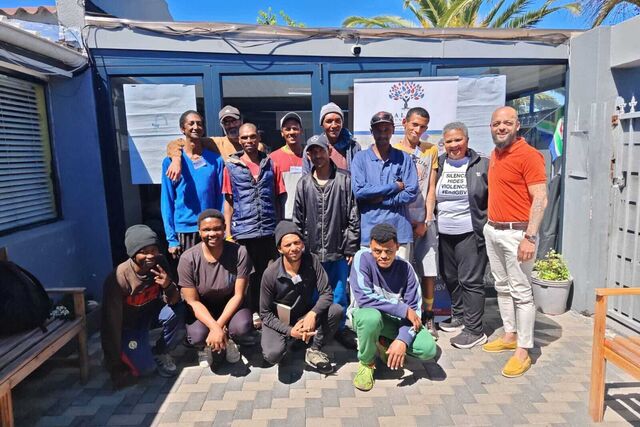
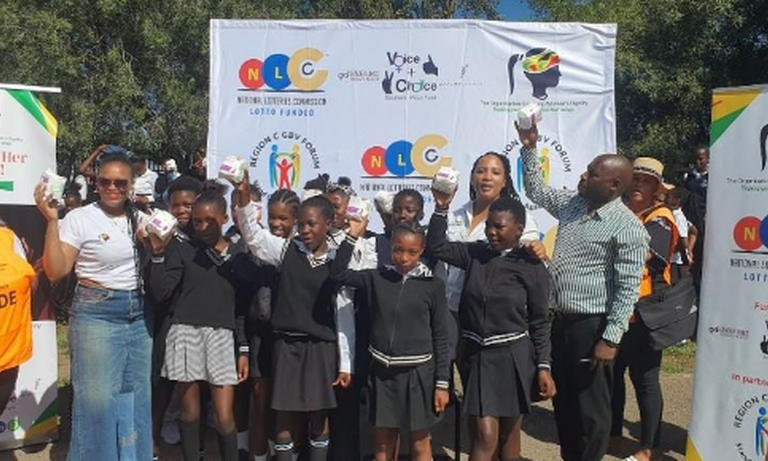
Everything changed when TOFYWD (The Organization for Youth Women’s Dignity) launched a menstrual hygiene and sexual reproductive health education workshop in the community. The programme aimed to break the silence, provide essential products, and empower girls with knowledge about their bodies and rights.
For Nondumiso, this was life changing. She received training to become a peer educator, transforming her passion into leadership. Equipped with knowledge and confidence, she began educating other girls, creating safe spaces for dialogue and support.
“Being part of this workshop changed my life. I went from feeling helpless about the situation in my community to becoming a leader who now educates and inspires other girls. I’ve seen the difference it makes.” — Nondumiso, Youth Peer Educator
The Change
The impact has been remarkable. Girls now attend school during their periods, armed with confidence and dignity. They have access to menstrual hygiene products and accurate information about sexual and reproductive health. Teachers report improved attendance and participation, while community leaders praised the programme for sparking long-overdue conversations.
“Before, I used to miss school during my period because I was too embarrassed and didn’t have pads. Now, thanks to the sessions and the pads we receive, I feel confident and I don’t miss school anymore.” — Zamahlubi Mathangana, Grade 6 Learner
“This programme has not only provided dignity to our girls, but it has also opened up honest conversations around menstrual and reproductive health that were long overdue in our community.” — Kate, Community Leader
Sustainability and Next Steps
TOFYWD is committed to sustaining this change. Peer educators like Nondumiso will continue leading awareness sessions, supported by schools and clinics. The organization is building partnerships with local government, businesses, and health stakeholders to ensure a steady supply of menstrual products and integrate reproductive health education into school curricula.
Plans include scaling up the peer education model to neighboring communities, mentoring new youth leaders, and conducting regular monitoring to track impact. These efforts aim to create a ripple effect empowering girls, dismantling stigma, and fostering a culture of dignity and equality.
This is more than a story about menstrual health it’s a story about leadership, resilience, andsystemic change. Nondumiso’s journey proves that when young women are empowered, entire communities transform.
By Denise Wadzanai Mazhandu, Jerusalem, Johannesburg
Comments
Related Stories Of Change