Zimbabwe: Champions of gender equality honoured

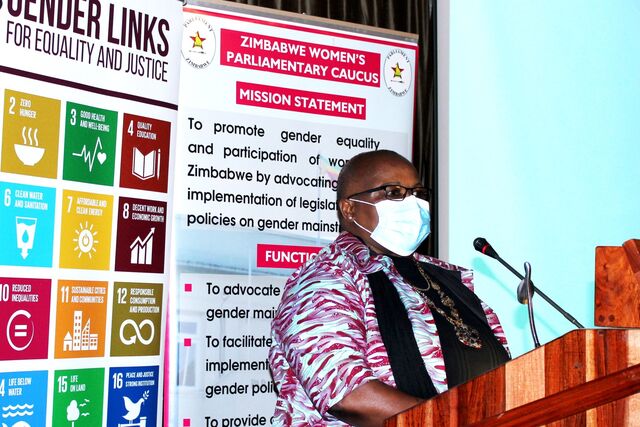
The 2025 Zimbabwe SADC Gender Protocol@Work Summit and Awards, hosted by Gender Links Zimbabwe in partnership with the Ministry of Local Government and Public Works, concluded successfully on 28 November 2025, celebrating the remarkable strides made by local government institutions and individuals in advancing inclusive local economic development, gender responsive budgeting and gender equality.
The three-day national event brought together representatives from 61 local authorities, government ministries, civil society organisations, media practitioners, and youth leaders to showcase best practices and share innovations that are transforming communities. Held under the theme “Taking stock of gender responsive budgeting and local economic development initiatives in Zimbabwe”, the Summit served as a national platform to reflect on progress, share evidence, and identify priorities for accelerating gender equality and sustainable development.
The Secretary for Presidential Affairs and Devolution in the Office of the President and Cabinet, Engineer Muguti, commended Gender Links Zimbabwe’s work, which has transformed lives in the communities they engage with. He also thanked the support from the government of Sweden, which has enabled the growth of Zimbabwe’s key sectors, including the economic sector.
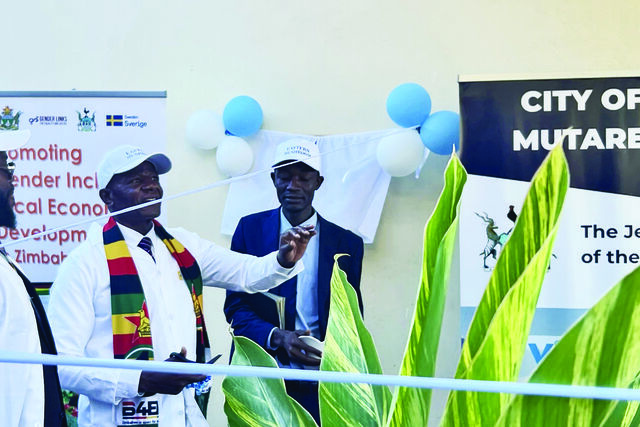
In his opening remarks, the Honourable DeputyMinister of Local Government and Public Works, Engineer Kabaira, commended local authorities for integrating gender into service delivery through gender-responsive budgeting and economic development. He reaffirmed the government’s commitment to institutionalising gender mainstreaming across all levels of governance through policy alignment, capacity building and performance monitoring.
The Ambassador of Sweden to Zimbabwe, His Excellency Per Lindgärde, reiterated their firm commitment to supporting gender equality in a world where support for such initiatives is declining. He reiterated their firm support to the Government of Zimbabwe for development to be achieved.
Speaking at the awards ceremony, Diakonia Business Development Manager, Philemon Jazi, praised the impact and success of the gender responsive budgeting programme in local authorities, which has seen communities better placed to participate in budget processes, including consultations and reviews. “The result has been more gender aware planning and increased accountability in public resource management”, said Jazi.
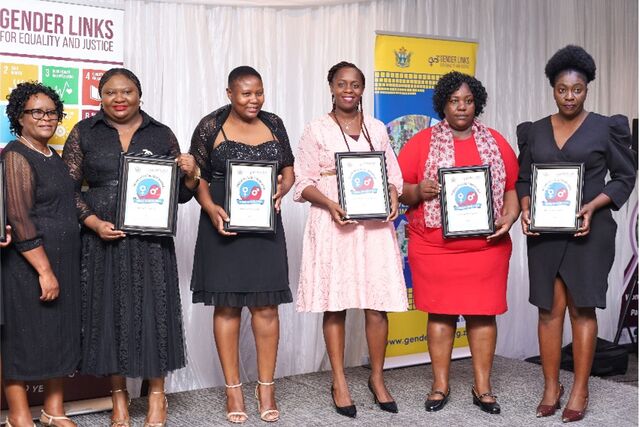
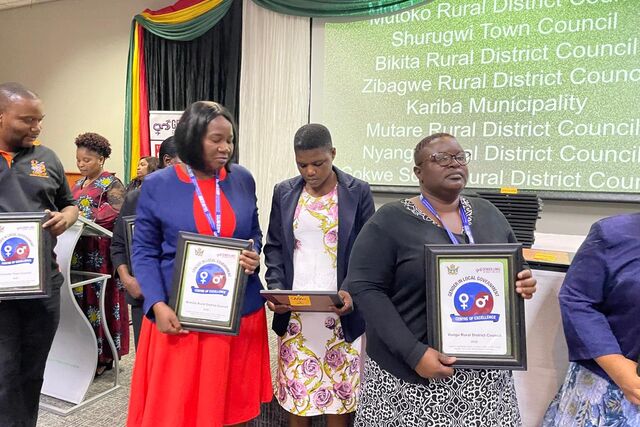
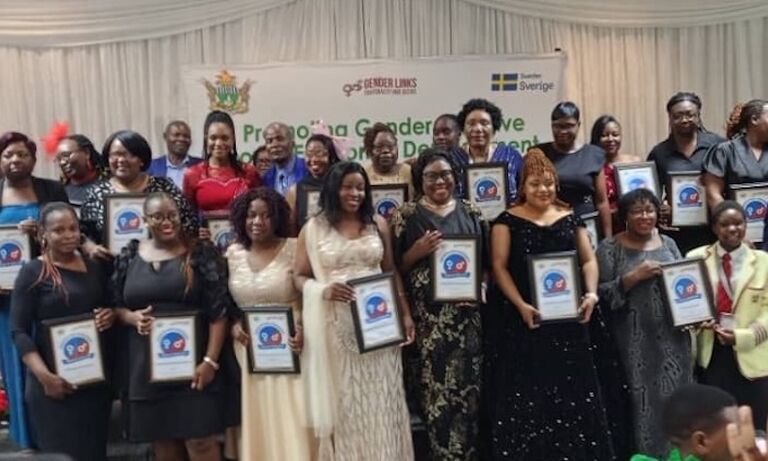
This year’s awards recognised excellence across a range of categories. Winners were celebrated for their impact in Institutional Centres of Excellence on gender mainstreaming, Gender Responsive Budgeting, Local Economic Development, Entrepreneurship, Leadership (Drivers of Change), Youth Leadership, Media Excellence, and thematic projects addressing Climate Justice, Gender-Based Violence (GBV), and Sexual and Reproductive Health and Rights (SRHR).
The Drivers of Change category honoured outstanding councillors who have championed gender equality at local and national levels. The Entrepreneurship and Local Economic Development categories celebrated enterprises and individuals that are promoting inclusive and sustainable economic development in various value chains, including Arts and Crafts, Clean Energy, Health and Sanitation, Horticulture, and Waste Management. The youth leadership category showcased vibrant innovations by junior councillors who are taking leadership roles in governance and social transformation, while the media category recognised journalists who have amplified women’s voices and profiled gender-responsive policies in local governance. Bulawayo City Council, Kadoma City Council, Mutare City Council, Murewa Rural District Council, Umguza Rural District Council and Zibagwe Rural District Council were among the councils with the most awards.
Throughout the summit, delegates exchanged lessons and success stories demonstrating how gender mainstreaming and local economic development can reinforce each other to improve community wellbeing. Discussions highlighted progress made in integrating gender considerations into budgets and plans, promoting women’s participation in economic value chains and tackling barriers such as gender-based violence and limited access to resources.
The event concluded with a call to action for all stakeholders to strengthen collaboration, deepen policy implementation and scale up successful models for local economic development and gender-responsive budgeting.
Gender Links Zimbabwe reiterated its commitment to supporting local authorities, civil society, and government institutions to advance gender equality, economic inclusion and good governance. “This Summit proves that progress is possible when leadership, accountability, and innovation come together,” said Maposa. “Our collective challenge now is to sustain and scale these results for lasting impact.”
For further information, contact Priscilla Maposa at +263 772 735 722 or email zimmanager@genderlinks.org.za