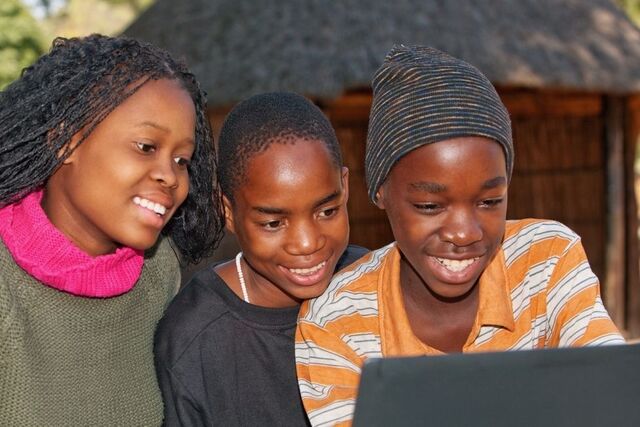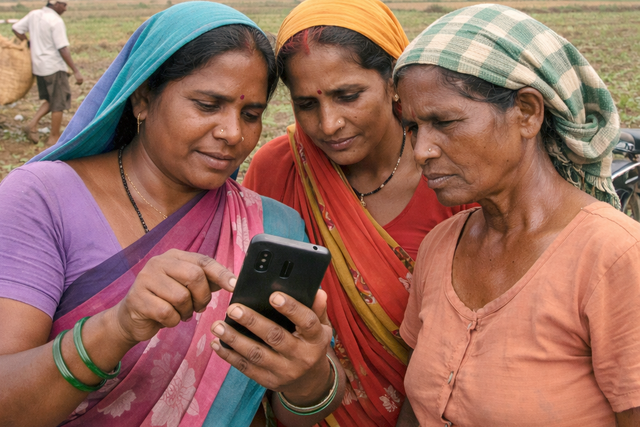

Zambia has been urged to implement deliberate policies that provide women with disaggregated data that will allow women and girls understand their digital needs.
Bloggers of Zambia Chief Executive officer-CEO Richard Mulonga has called for the need to make decisive decisions to ensure that women are capacitated in terms of safety and security.
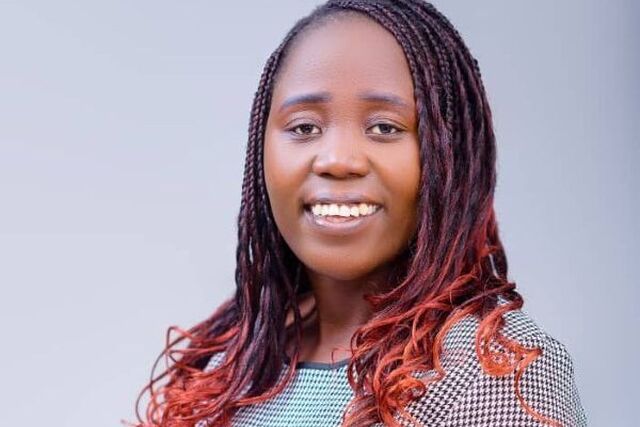
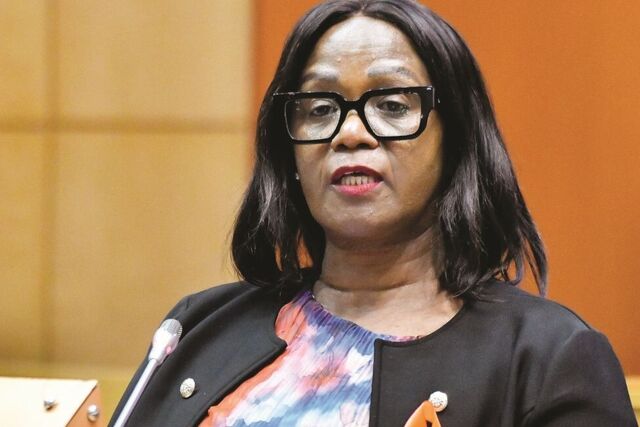
Digital rights advocate Brenda Zulu told Live News in an interview that Zambia needs targeted digital inclusion programs for women and girls who have limited time, income, low digital confidence and social barriers that limit their access to devices and the internet.
Ms. Zulu says the country must address the cost barrier particularly the high cost of smart phones, data bundles and digital services.
She adds that the country must ensure safer digital spaces for women as many of them fear going online because of Cyber bullying, sextortion, online harassment or surveillance from partners adding that with strong protection mechanisms, women's digital participation will remain limited.
Ms. Zulu further states that the country needs investment in community training especially in rural areas.
And Young People for Positive Change Zambia-YPFPC has called for increased attention to the growing risks faced by women and girls online.
Organization Executive Director Albert Chileya therefore urges women and girls to take practical measures to reduce their digital vulnerability by among other things avoiding sharing sensitive or private content that could be misused and exercising caution when interacting with unfamiliar or suspicious online profiles.
Meanwhile the Young Women Christian Association-YWCA has called on communities, leaders, families and young people to speak out, report any online abuse, promote and digital safety.
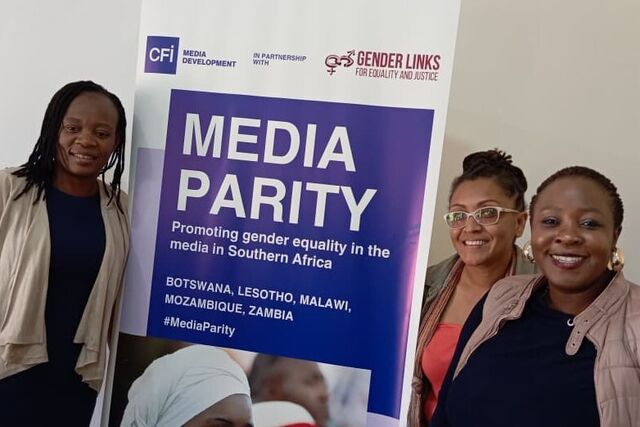
Written by Tetiwe Mweemba. This article, first published by Live Radio 97.3FM, is part of the Media Parity Capacity Building Programme and republished as part of the programme series.
Comments
Related news