South Africa: Youth voices shaping sustainable development

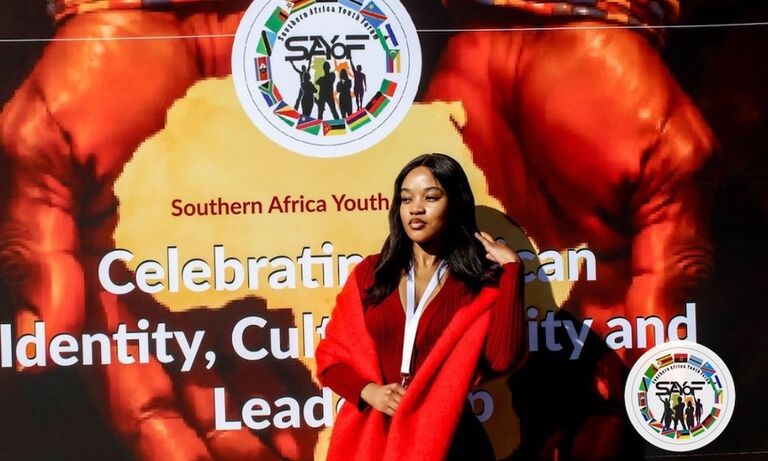
Attending the Southern Africa Youth Forum (SAYoF) was a powerful reminder that young people are not only the leaders of tomorrow but active change makers today. The forum brought together young leaders, policymakers, civil society organisations, entrepreneurs and development practitioners to discuss how youth can influence regional development, strengthen leadership, and contribute to building more sustainable and inclusive communities across the Southern African Development Community (SADC).
One of the sessions that left a lasting impression on me featured entrepreneur Mr Terrence Maposa, who shared his journey of growing his business through the strategic use of social media. His story demonstrated that digital platforms are far more than spaces for entertainment; they have become powerful business tools that allow entrepreneurs to reach new customers, build trusted brands and create employment opportunities.
Mr Maposa explained that consistency, authentic storytelling and understanding his audience enabled him to expand his business far beyond traditional marketing methods. His experience highlighted how social media has transformed entrepreneurship by lowering barriers to entry and giving young business owners access to wider markets. His story reminded me that success is not always determined by the amount of capital available, but often by creativity, adaptability and the willingness to embrace digital innovation.
His presentation also challenged many of us to think differently about the way we use social media. Instead of viewing these platforms solely as spaces for personal expression, they can become instruments for education, advocacy, networking and economic empowerment. As young people spend significant amounts of time online, we also have the opportunity to use these platforms to build solutions that positively impact our communities.
Another key lesson I took away from the forum was the critical role of youth leadership in advancing food security, water security, climate resilience and sustainable development. Across Southern Africa, young people are increasingly experiencing the effects of climate change through droughts, flooding, food shortages and limited economic opportunities. These challenges require innovative thinking, collaboration and bold leadership.
The discussions reinforced that young people should not only participate in conversations about these issues but should also be involved in designing and implementing solutions. Whether through climate-smart agriculture, water conservation initiatives, environmental advocacy or community-based innovation, youth have the energy, creativity and determination to drive meaningful change. Investing in youth leadership today creates stronger and more resilient communities for future generations.
The forum also highlighted the importance of partnerships between governments, civil society, the private sector and young people. Sustainable development cannot be achieved by one sector alone. It requires shared responsibility and meaningful youth participation in decision-making processes at local, national and regional levels. The Southern Africa Youth Forum continues to provide an important platform for ensuring that youth voices contribute to policies that shape the future of the region.
As I reflected on the conversations throughout the event, I realized that leadership begins long before holding a formal position. It starts with choosing to serve others, remaining committed to lifelong learning and taking action where change is needed most. The experiences shared by fellow young leaders reminded me that every idea, initiative and act of service has the potential to create a ripple effect within our communities.
Leaving the forum, I felt inspired and encouraged. The conversations, shared experiences and practical examples of youth leadership reinforced my belief that young people already possess the ability to shape a more equitable, resilient and sustainable Southern Africa. What is needed is continued investment in youth, opportunities for participation and the confidence to turn ideas into lasting impact.
Comments
Related news