Malawi: The long journey to Parliament


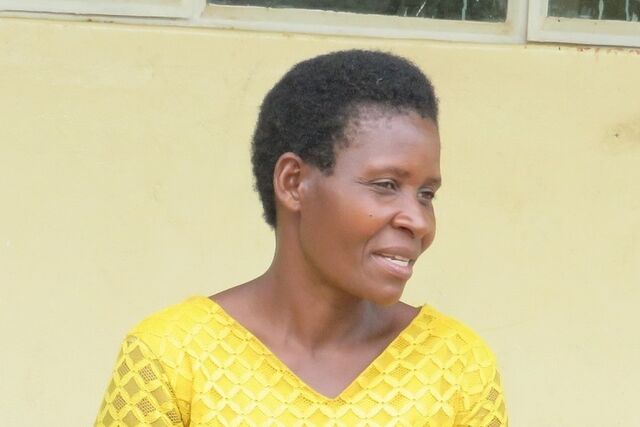
Patricia Wiskes, a first-time candidate, beamed with pride as she celebrated her victory in Malawi’s 2025 Parliamentary elections for Lilongwe City Nankhaka constituency. Despite facing insults from some male aspirants during rallies, Wiskes’ determination and support from her political party, the Democratic Progressive Party (DPP), propelled her to success, she says.
“I remember moments when I felt like giving up, but I knew I had the support of my community and party,” Wiskes said. “I invested less than MK 15 million in my campaign, but the support from my party and the community was invaluable.”
Wiskes’s journey was not without challenges. She faced scepticism from some community members who doubted her ability to lead. But she persevered and focused on her message of development and change.
“As a woman, I knew I had to work twice as hard to prove myself. But I believe in my abilities and the support of my community. I’m proud to be a role model for young girls and women in my constituency,” said Wiskes who quit her job at Parliament earlier this year to join politics.
The motivation?
“I was moved by the many challenges that Nankhaka [constituency] continues to face despite being a Malawi Congress Party [MCP] stronghold, poor road infrastructure, lack of access to healthcare facilities, poor sanitation in schools and marketplaces, and lack of incentives to empower women and youth. Now, I grew up in Area 49 facing and witnessing all of these issues and I believe there has been little or no political will from our leaders. This time around, I want to be part of the team that will bring solutions to these problems.”
Wiskes contested against six others including two women and amassed 6582 votes while the runner-up former Lilongwe City Centre MP Alfred Jiya of the MCP got 5860 votes.
In the Central Region district of Ntchisi Central East, Olipa Chimangeni, a third time candidate, also triumphed and her optimism and development initiatives in the area paid off. She claims to have invested around MK 30 million in her campaign, which included bringing water, schools, electricity, bridges, and roads to her constituents.
“I’ve always believed in myself and my ability to make a difference in my community. I’ve worked hard to develop my constituency, and the people have recognised my efforts. I’m proud to be a woman leader and to inspire other women to take up leadership roles.”
She explains her motivation behind running for the third time. In Malawi, MPs have limitless terms.
“I decided to contest for the third time because I’m motivated by the strong desire to serve and make a difference, pushing through challenges to achieve goals and also I want to finish the initiatives or projects that are yet to be completed.”
Chimangeni’s message to fellow women was one of courage and resilience. “Never look down on yourself,” she advised. “Believe in your abilities and work hard to achieve your goals. Don’t let anyone discourage you from pursuing your dreams.”
The success of these two women is a testament to the power of grassroots support and community engagement. Maggie Kathewera Banda, Women’s Legal Resources Centre (WOLREC) Executive Director, noted that parties did not fully support their female candidates in this election. “The general picture is that the support has been minimal. It’s almost like everyone within parties was focusing on their own survival. Most of the visible challenges were noted during primaries where women felt the processes were not fair and some opted to contest as independents. For a long time, women have been complaining lack of general support in various forms,” she said.
Kathewera Banda added that “Political parties should support the enactment of a law which will promote quotas for women. Countries that have done well have affirmative action in place.”
However, she was quick to point out that there were reduced cased of violence against women in the election. “In this election we have not seen much of violence. Parties committed themselves to work with their supporters to prevent violence against women in politics. This has been a success because during the campaign period we only received two cases.”
Shadreck Namalomba, DPP Spokesperson, highlighted his party’s commitment to supporting women. “Our party understands the power of women, which is why we have a woman as Vice President of the country,” he said. “We believe in empowering women and providing them with opportunities to lead.”
However, Emma Kaliya, a women’s activist, emphasized the need for parties to be held accountable for their support. “We need to revise party policies and ensure they prioritize women’s empowerment,” she said. “Women’s participation in politics is not just about numbers; it’s about creating an enabling environment for them to succeed.”
Wonderful Mkhutche, a political analyst, believes the time has come to support women in all aspects of life. “We need to recognize the value women bring to politics and support their participation,” he said. “Women have a unique perspective on issues affecting their communities, and their voices need to be heard.”
As Wiskes and Chimangeni begin their journey in Parliament, they serve as inspirations to women across Malawi. Their stories demonstrate that with determination, hard work, and community support, women can overcome barriers and achieve success in politics.
“I hope my story will inspire other women to take up leadership roles,” Wiskes said. “We need more women in politics to ensure that our voices are heard and our perspectives are represented.”
Chimangeni added, “I’m proud to be a woman leader, and I hope my success will encourage other women to pursue their dreams. We need to support each other and work together to create a better future for our communities.”
The journey to Parliament may be long and challenging, but for Wisikes and Chimangeni, it’s just the beginning. With their determination and resilience, they’re poised to make a difference in the lives of their constituents and inspire a new generation of women leaders.
According to the Afrobarometer Round 6 Surveys of 2014 in Malawi, women in Malawi face significant barriers to political participation, including cultural and social norms that discourage women from taking on leadership roles. However, the study also found that women who are supported by their communities and parties are more likely to succeed in
politics, almost 6 people in every 10 in Malawi believe that women should have same chance as men for leadership positions.
According to the Malawi Electoral Commission (MEC) 2025 general elections official, there are 49 female Members of Parliament in Malawi’s 229-member National Assembly representing 21.3% of the total number of MPs.
This is a slight increase from the previous parliament which had 40 female MPs.
Reporting by Meclina Chirwa. This special article, produced by The Atlas, is part of the Media Parity Capacity Building Programme and shared as part of the programme series.
Comments
Related news