16 Days: Rethinking inclusion and disability rights

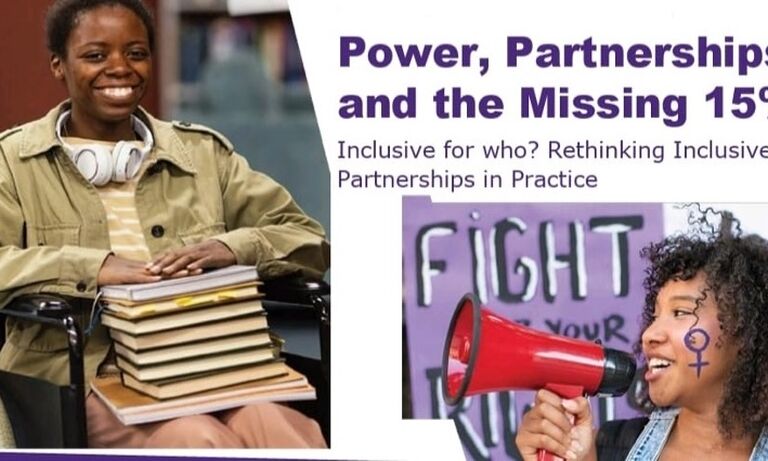
As an intern at Gender Links, I attended the webinar “Power, partnerships, and the missing 15%: Inclusive Partnerships in Practice”, hosted on the 3rd of December 2025 in partnership with Enabled Womxn Arise, Women’s Voice and Leadership South Africa, and the Government of Canada. The virtual dialogue brought together women with disabilities, activists, practitioners, and sector leaders to interrogate what genuine inclusion should look like in everyday practice.
Despite ongoing policies many differently abled persons especially women and youth continue to experience systemic exclusion from important public services. The webinar highlighted that while international frameworks such as the United Nations Disability Rights Advocacy Movement, and the Group of Twenty consistently call for multisectional partnerships, lived experiences on the group reveal significant gaps between policy commitments and reality.
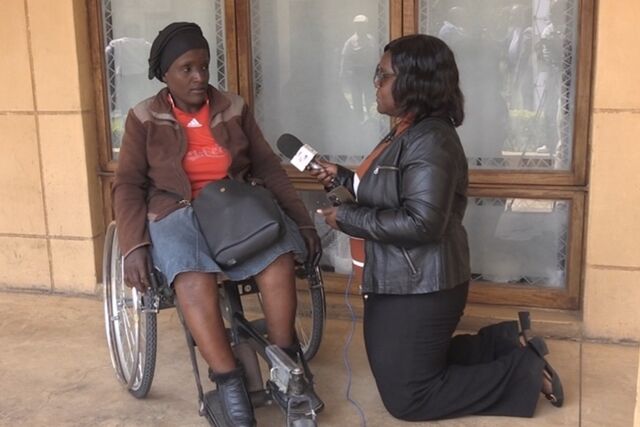
One participant, a differently abled professional living with deafness, powerfully explained these gaps. He described the ongoing challenges deaf people face when seeking medical care in South Africa. He explained that hospitals often lack qualified sign language interpreters, leaving deaf patients without meaningful consultations. He then shared how nurses become frustrated or dismissive, questioning how a person can communicate verbally but not hear anything, revealing widespread misconceptions about deafness. These experiences highlight an urgent need for comprehensive training for healthcare workers and proper institutional support. The government does not consistently make provision for sign language interpreters in public hospitals, which make it difficult for them to get assistance.
As the webinar continued there was another participant further explained that exclusion extends beyond hospitals and into higher education. Some universities inform deaf applicants that they cannot provide interpreters due to limited funding. This denies access to academic programs, proving that inclusion often remains less practical. Deaf students in some institutions are told that there are no resources to support them. Now we have to ask ourselves “What does meaningful inclusion mean for many differently able persons?”
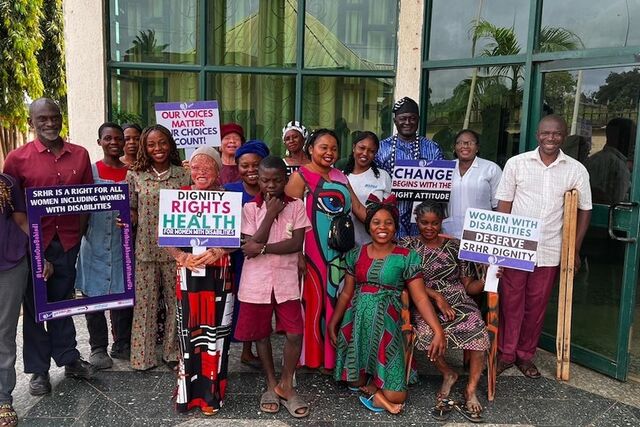
Speakers emphasized that moving beyond inclusion requires addressing structural barriers. For women with disabilities including business owners, community organizers and founders who shared their lived realities, inclusion means being heard, resourced, recognized as equal persons. It requires institutions to shift from treating disability inclusion as an optional extra to understanding it as a fundamental component of development.
A key takeaway was that inclusion is no longer a question of whether to act, but how genuine inclusion needs proper implementation, investment, training, continuous engagement with differently abled persons, their lived experience and leadership must guide the design and delivery of all services.
Readers seeking more information can explore the United Nations convention on the Rights of Persons who are differently abled (https://www.un.org/development/desa/disabilities/), the World Health Organization’s disability inclusion resources (https://www.who.int/health-topic/disability ) and the work of the National Council of and for Persons who are Differently Abled (https//www.ncpd.org.za).
The webinar was a reminder that inclusion is not a single initiative but an ongoing commitment to meaningful participation and empowerment.
(By Paballo Koeli, a WVLSA intern)
Comments
Related news