Zimbabwe: Empowering youth in Nkulumane

Bukhosi L. Ncube, a Junior Councillor representing Mandwandwe High School under the Bulawayo Junior City Council, these challenges were not distant issues—they were everyday realities affecting his peers, classmates, and community.
As a youth leader working within a council of 86 Junior Councillors—50 girls, 36 boys, and two young people living with disabilities—Bukhosi recognised the responsibility and opportunity of his role. The Junior Council provided a platform for young people to lead, innovate, and mobilise around the issues affecting their lives. What began as concern soon turned into action as Bukhosi committed himself to improving the wellbeing, dignity, and safety of children and youth in his community.
Seeing the Crisis Up Close
In Mandwandwe, Bukhosi observed disturbing trends: teenagers experimenting with drugs, peers engaging in early sexual activity without proper information, girls missing school due to lack of menstrual products, and a general absence of strong child protection structures. These challenges—often hidden and unspoken—were affecting school attendance, mental health, learner confidence, and academic performance.
Moved by the scale and impact of these issues, Bukhosi decided to act. What followed was a series of youth‑led interventions that began transforming the school and the surrounding community.
Driving Change: Youth Leadership in Action
Mandwandwe High School has more than 1,600 learners—846 girls and 766 boys—making it a critical centre of influence in the community. Through initiatives championed by Bukhosi, the school environment began shifting towards one that is safer, more informed, and more supportive of vulnerable learners.
Restoring Dignity Through Menstrual Health Support
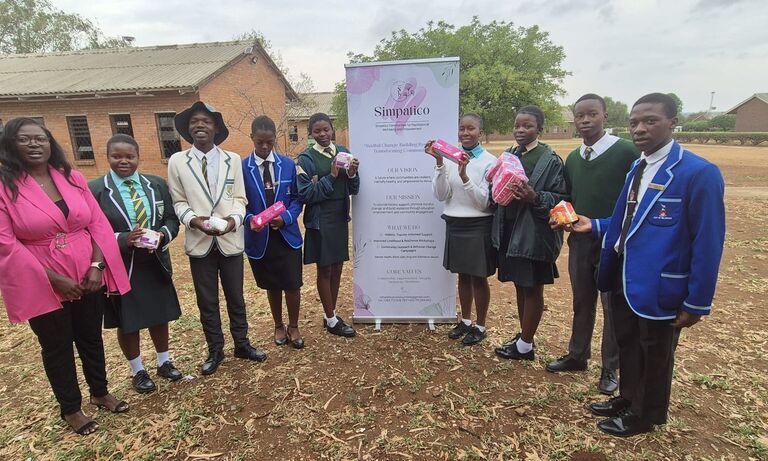
One of the most significant transformations came from the pad distribution programme across five schools. Sanitary pads were donated and stored within the Guidance and Counselling Department, ensuring girls—particularly those from low‑income households—could access supplies discreetly and at any time.
This initiative immediately improved school attendance, confidence, and emotional wellbeing. Before the intervention, many girls silently endured humiliation, stigma, and absenteeism during their menstrual cycles. Now, they could participate fully in their education with dignity and comfort.
Confronting Drug and Substance Abuse
Drug abuse had become a dangerous trend, with increasing cases of learners experimenting with harmful substances under peer pressure. Bukhosi participated in major awareness campaigns led by the Ministry of Women Affairs, Community, Small and Medium Enterprise Development, delivering keynote speeches across Nkulumane’s shopping centres.
These campaigns equipped youths with knowledge of the legal, physical, and emotional consequences of drug use. Although some still dismissed the risks, the overall number of drug‑related incidents began to decline—a sign that attitudes were shifting and awareness was growing.
Sexual Health Counselling: Protecting Children and Their Futures
Many young people lacked understanding of the risks associated with early sexual activity, including pregnancy, health complications, and legal consequences under Zimbabwe’s extended age of consent (18 years). Sexual health counselling sessions helped learners make informed decisions, understand their rights, and recognise the potential long‑term impacts of early sexual involvement.
Rebuilding Child Protection Systems
Bukhosi also facilitated the revival of the Child Protection Committee at his school. This committee created a safer, more inclusive environment by providing channels for learners to report bullying, abuse, and welfare concerns. As a result, students who once suffered in silence began speaking out and seeking help. The committee’s work complemented the school’s Anti‑Drug Policy, reinforcing accountability and strengthening learner protection mechanisms.
How the Change Happened
The transformation in Nkulumane was not accidental—it resulted from deliberate, youth‑driven action. Bukhosi and his peers took ownership of the crises affecting their generation and mobilised practical solutions.
Awareness campaigns, pad drives, counselling sessions, and strengthened school structures all contributed to improved attendance, increased confidence, better understanding of health risks, and a decline in drug‑related incidents. What made the difference was that these initiatives were led by young people for young people, making the message more relatable, accessible, and impactful.
Sustaining and Scaling the Change
For long‑term change, Bukhosi acknowledges that youth passion must be matched with institutional support. Sustaining these initiatives will require:
- Adequate funding for sanitary products, counselling materials, and awareness campaign logistics.
- Collaboration with NGOs, health institutions, law enforcement, and community structures.
- Institutionalisation of Child Protection Committees in all schools.
- Volunteering and community involvement to maintain momentum.
- Use of social media and technology to expand reach and engagement.
With stronger partnerships, these interventions can scale beyond Mandwandwe and become models for youth‑led community transformation across Bulawayo and Zimbabwe.
By: Bukhosi L. Ncube
Comments
Related Drivers Of Change